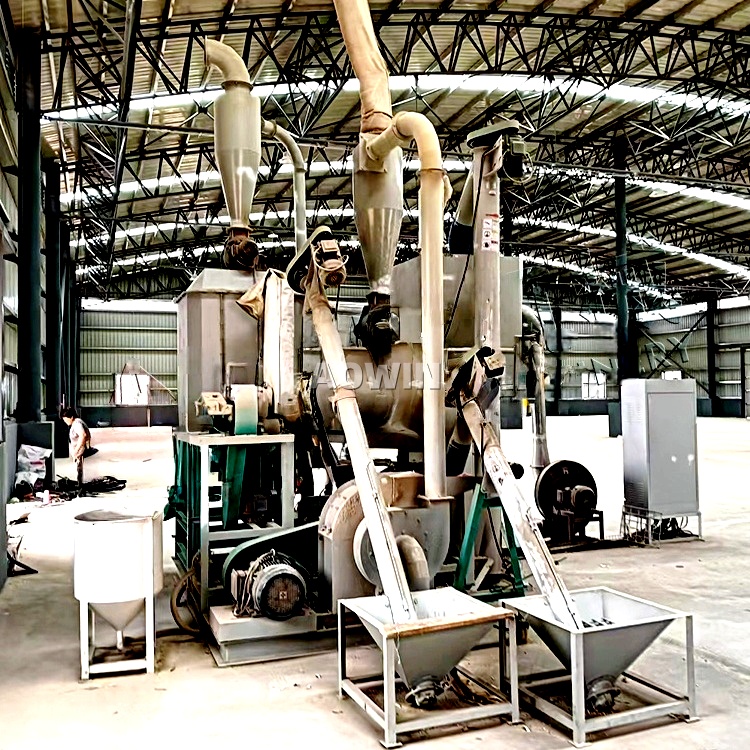
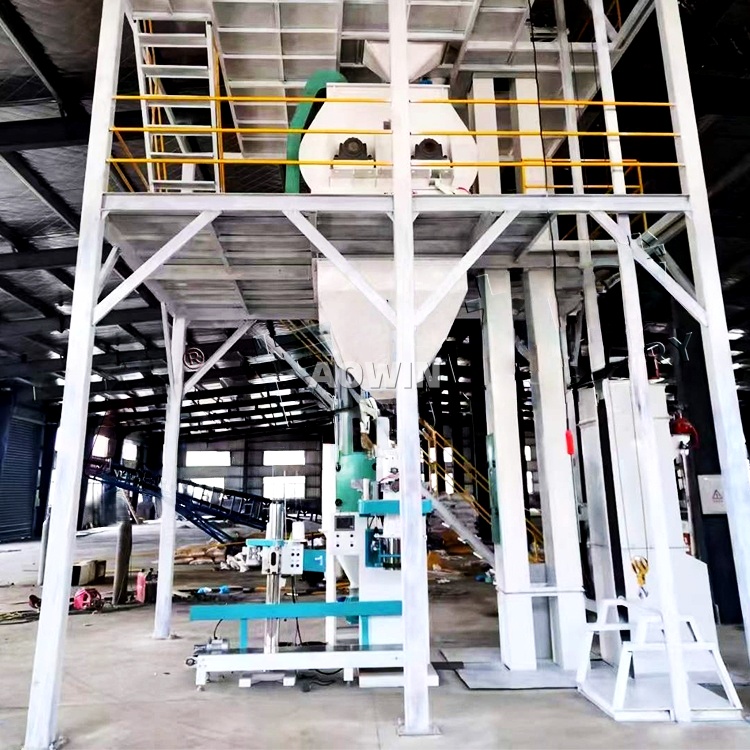
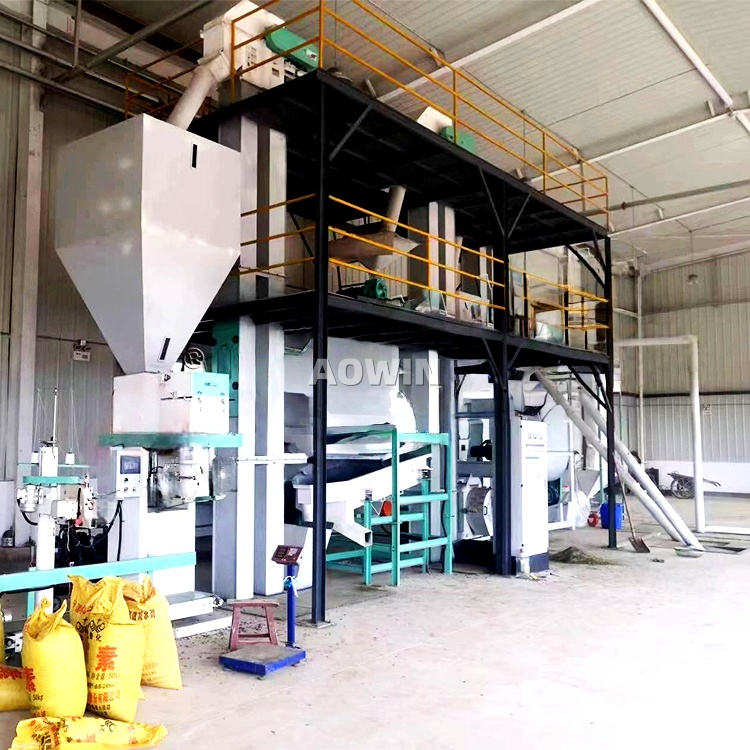
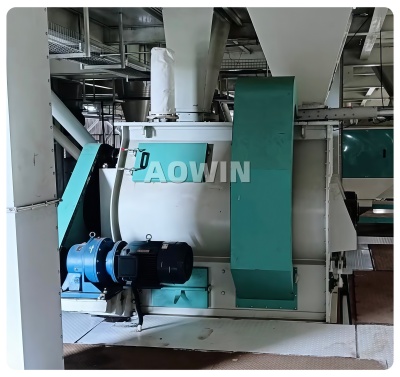
2. Material Mixing
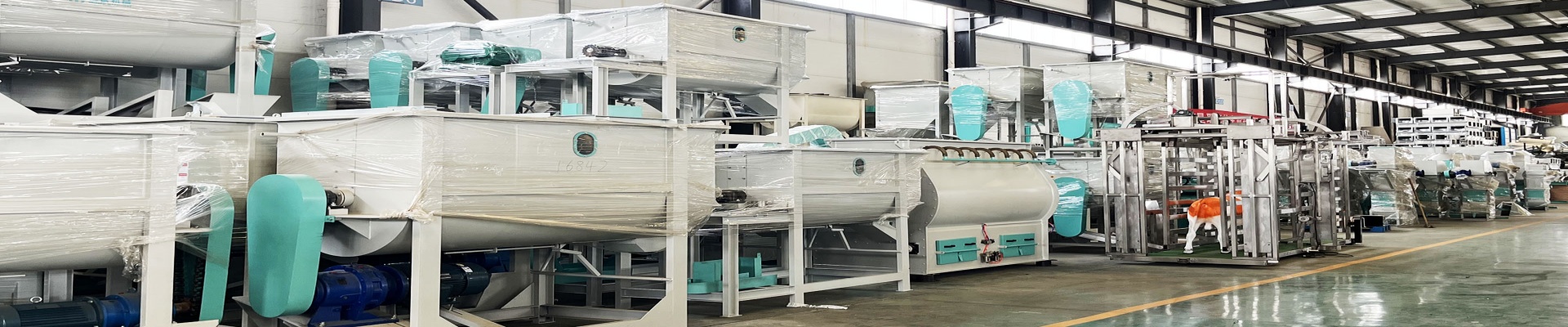
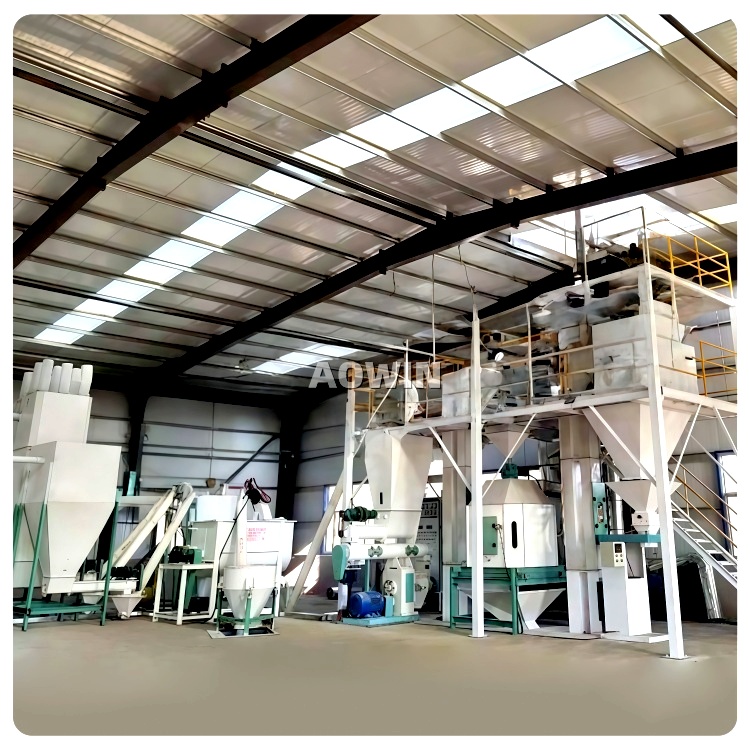
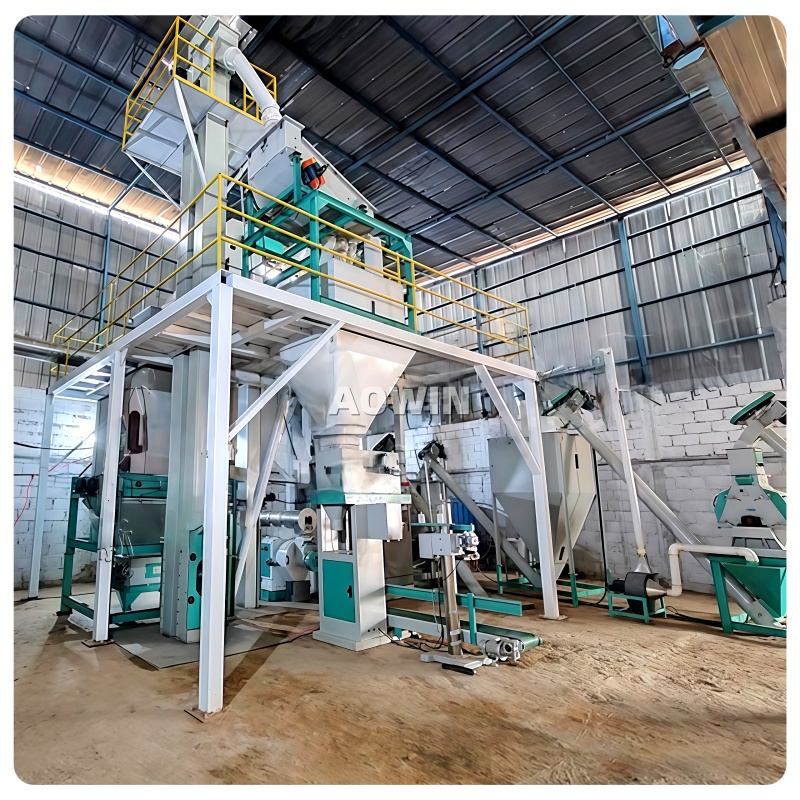
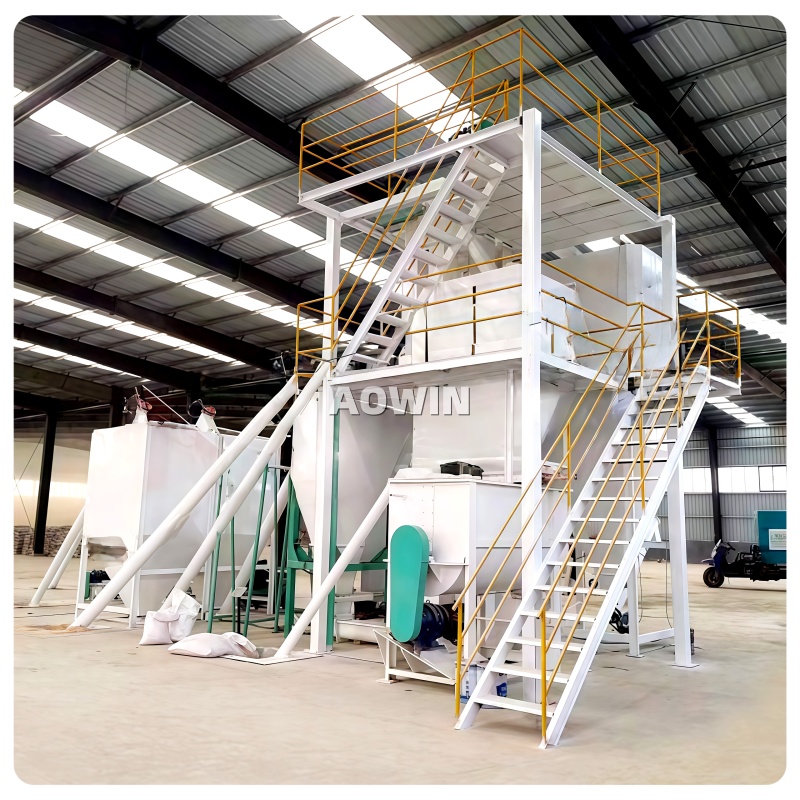
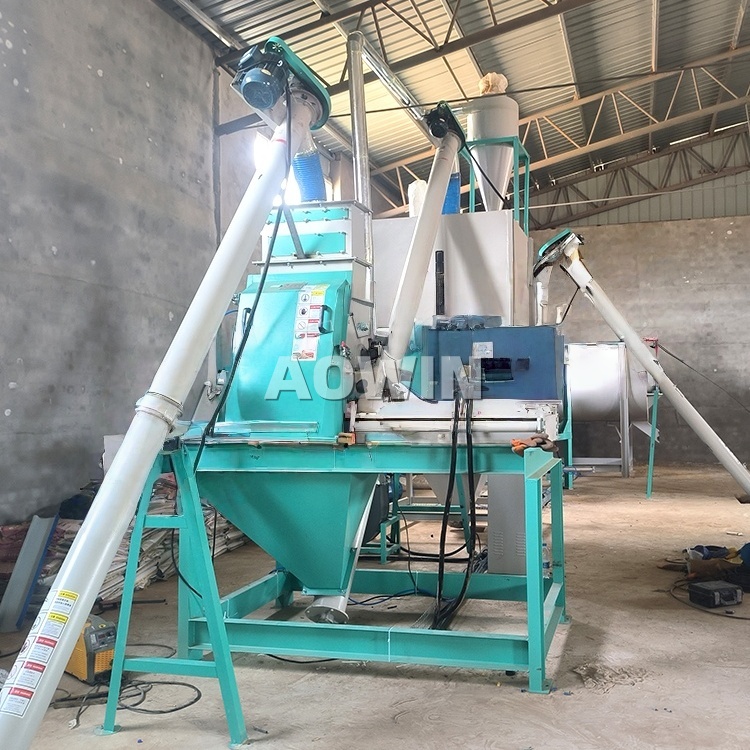
The crushed materials can be fed into the mixer together with other powdered raw materials. The batching process is controlled by an automated system, which performs precise batching according to preset ratios. The liquid adding system injects oil into the mixer, ensuring fast and uniform mixing.
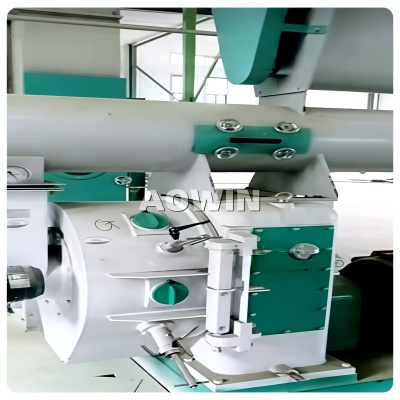
3.Feed Forming
This process adopts a pelletizer or extruder. Raw materials are heated to 85°C with high-temperature steam for complete gelatinization, then shaped into finished feed pellets. Various pellet sizes are available simply by replacing the ring die or die head.
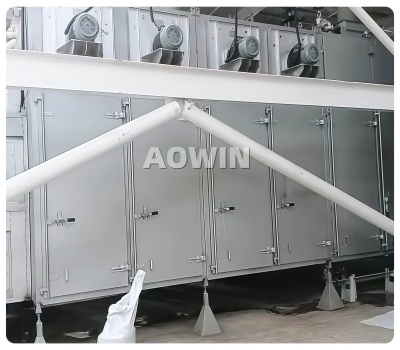
4.Feed Drying
The mesh belt circulating dryer is specially designed for gentle drying of feed pellets and fragile materials. It reduces the moisture content of fresh wet feed to 2–10%, effectively improving oil absorption in the subsequent coating process and extending the shelf life of finished feed.
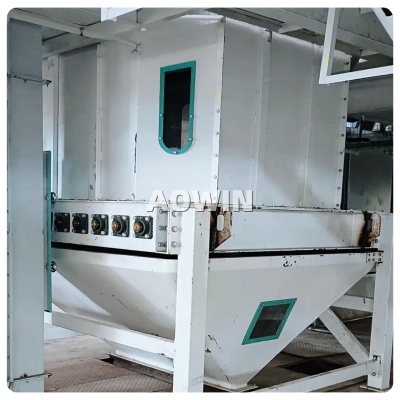
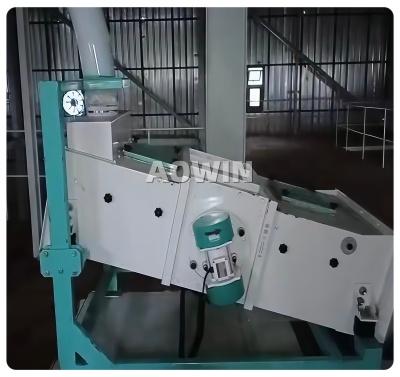
5.Cooling and Screening
Freshly coated feed pellets remain at a high temperature after drying. A dedicated counter-flow cooler with an octagonal structure and slide-gate discharging system is adopted for pellet cooling, effectively reducing pellet breakage and loss. Matched with a vibrating screen, it further improves overall processing efficiency.
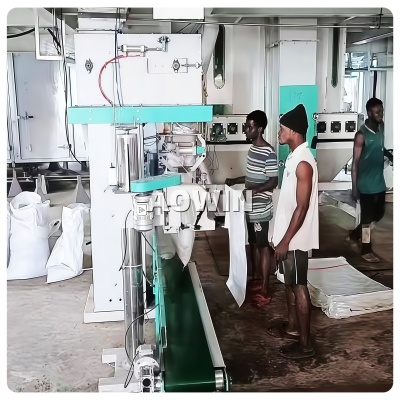
6.Feed Packaging
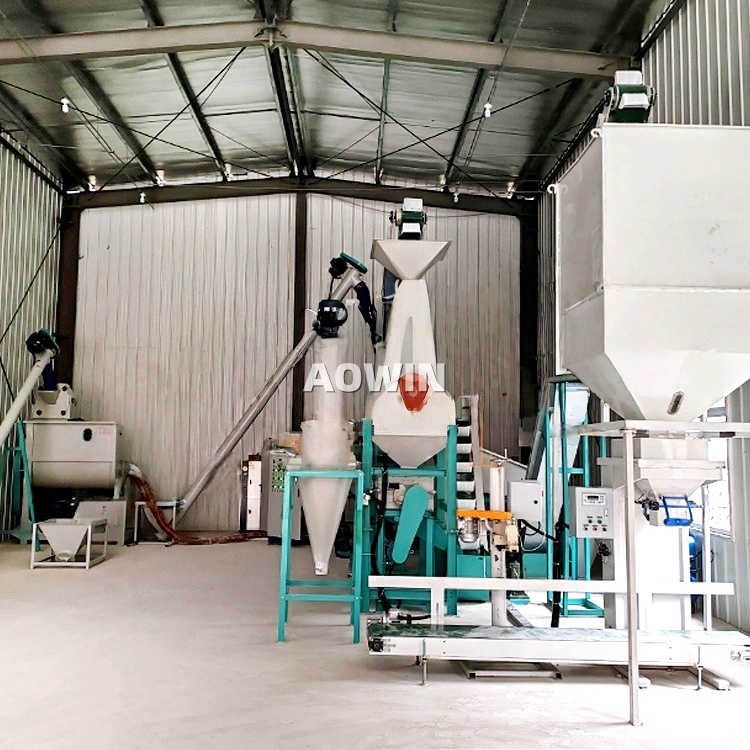
The packaging station is fitted with a fully automatic pellet packaging scale, supporting gravity, belt and auger feeding modes. High automation greatly boosts production efficiency and ensures standardized packaging, while effectively cutting labor costs.
Key Equipment for Aquatic Feed Pellet Plant
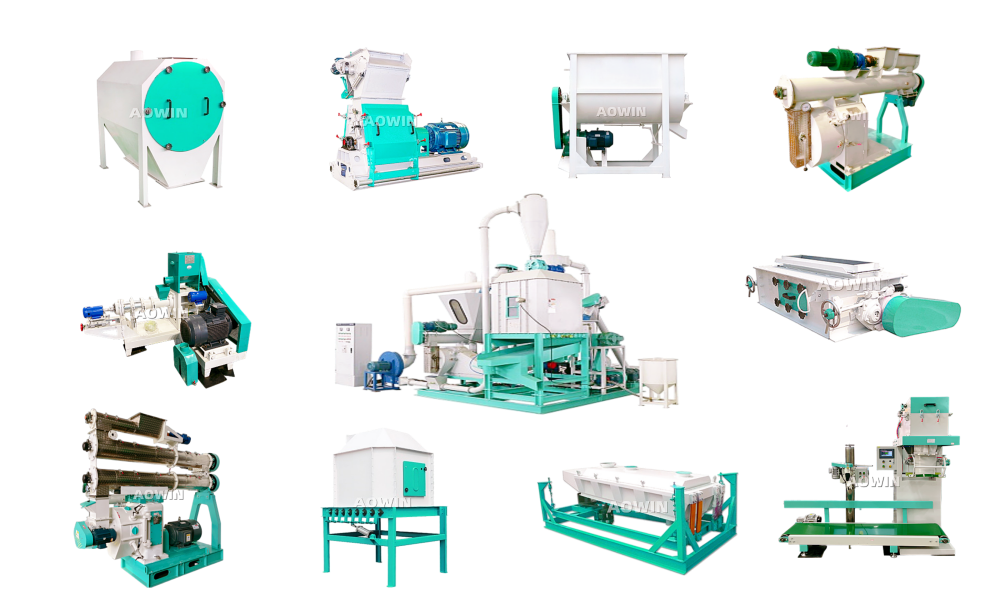
Below is the core equipment configuration for this aquatic feed pellet plant. Each piece of equipment plays a critical role in its corresponding production stage. Besides these primary equipment, we also provide alternative options for each stage, all featuring high efficiency, energy saving and easy operation to bring substantial benefits to your aquatic feed production.
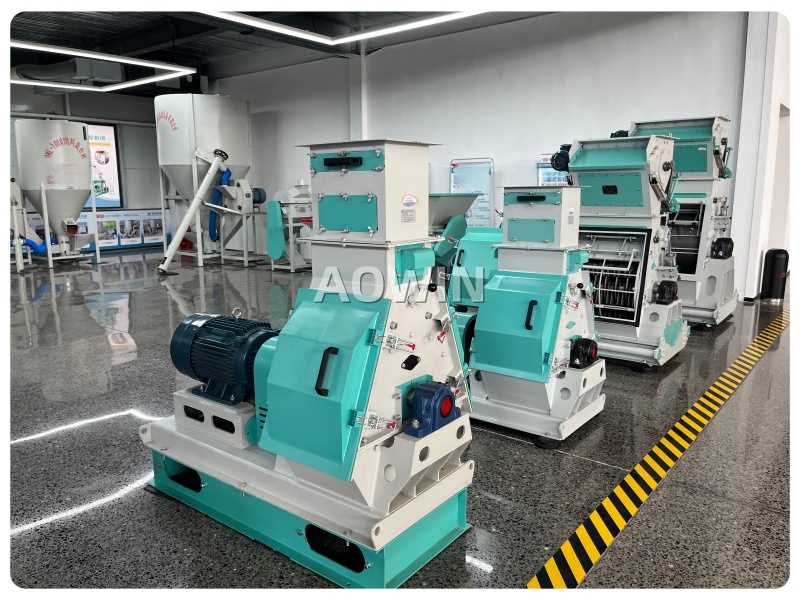
Raw Material Crusher
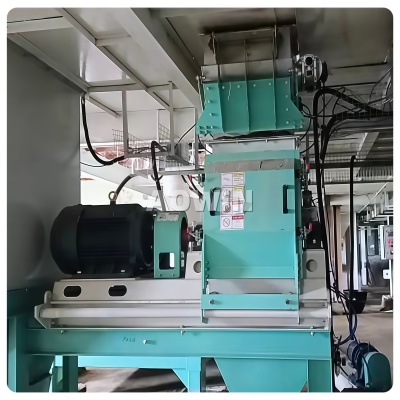
The hammer mill is capable of crushing small-sized grains used in aquatic feed, including corn, wheat, oilseed meal, and legumes. It grinds materials into 3–5 mm particles, facilitating the subsequent pelletizing process.
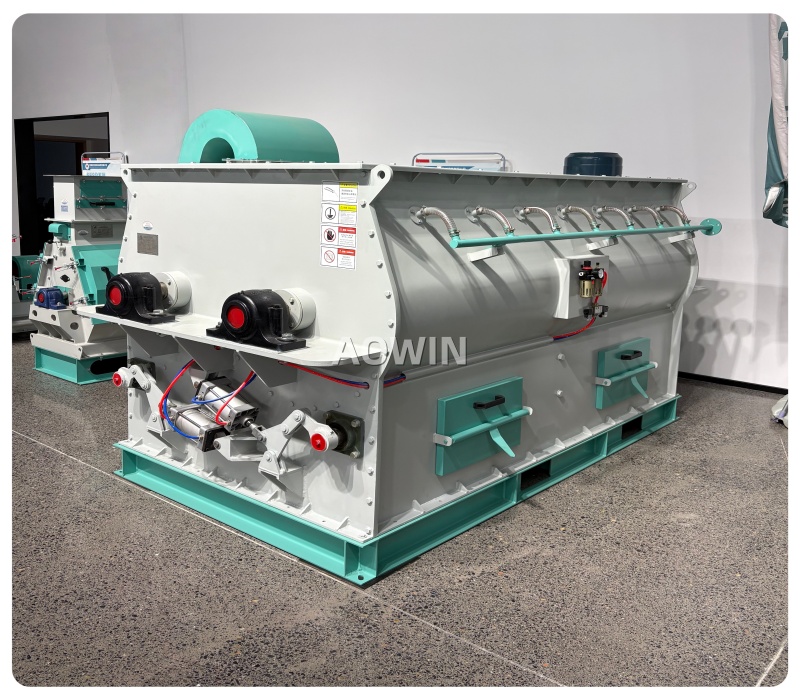
Feed Mixer
It can blend various feed production materials. The mixed ingredients can be extruded into feed pellets with a more uniform texture, thereby ensuring consistent nutritional content in every pellet.
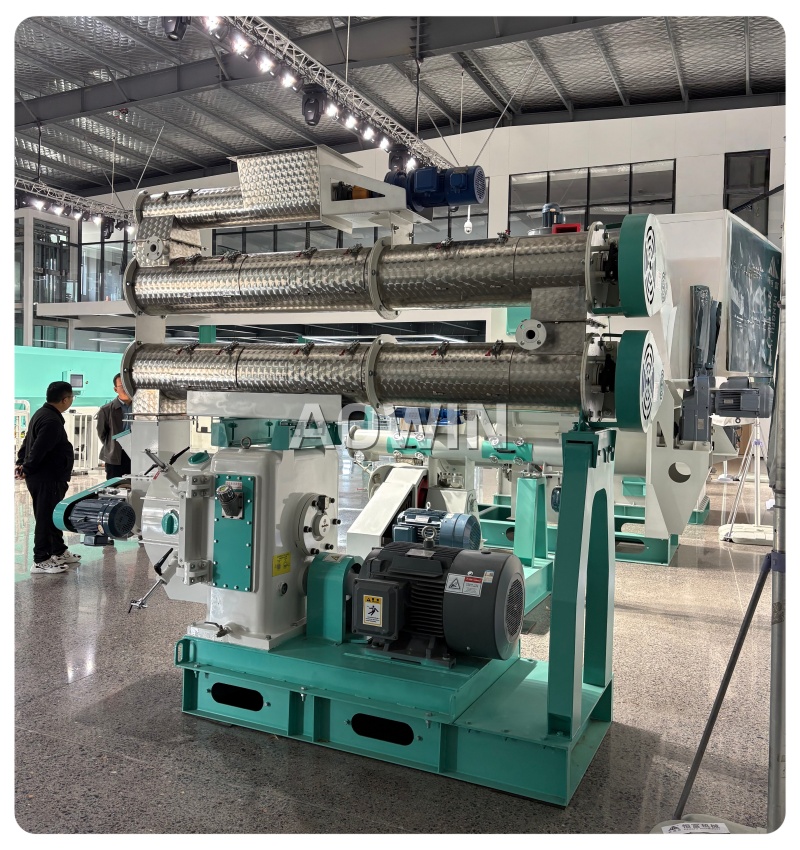
Aquaculture Feed Pellet Mill
Designed specifically for sinking fish and shrimp feed, this pellet mill allows precise control over pellet density and water resistance, and is usually equipped with two to three conditioning units.
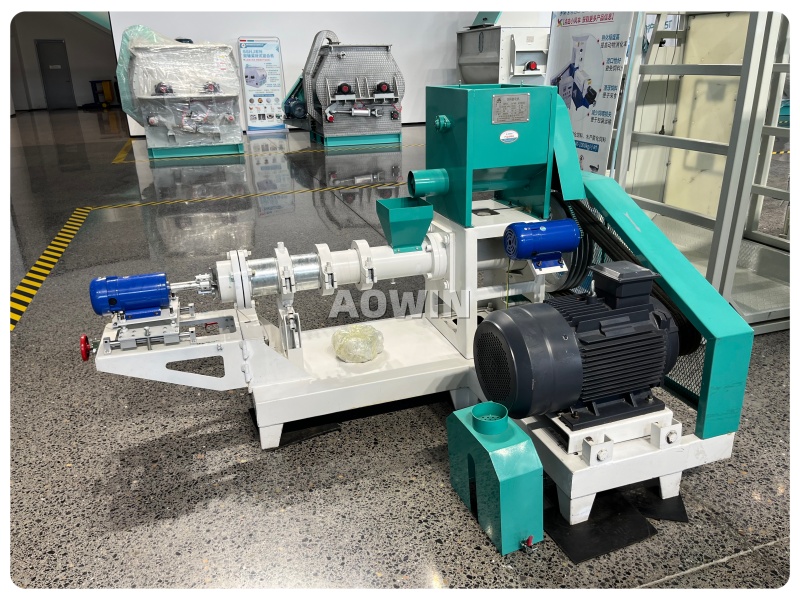
Floating Fish Feed Pellet Machine
This extruder is available in both single-screw and twin-screw configurations, capable of producing floating, sinking, and non-sinking feeds. The produced feeds strike an excellent balance between palatability and water resistance, fully complying with high-quality standards.
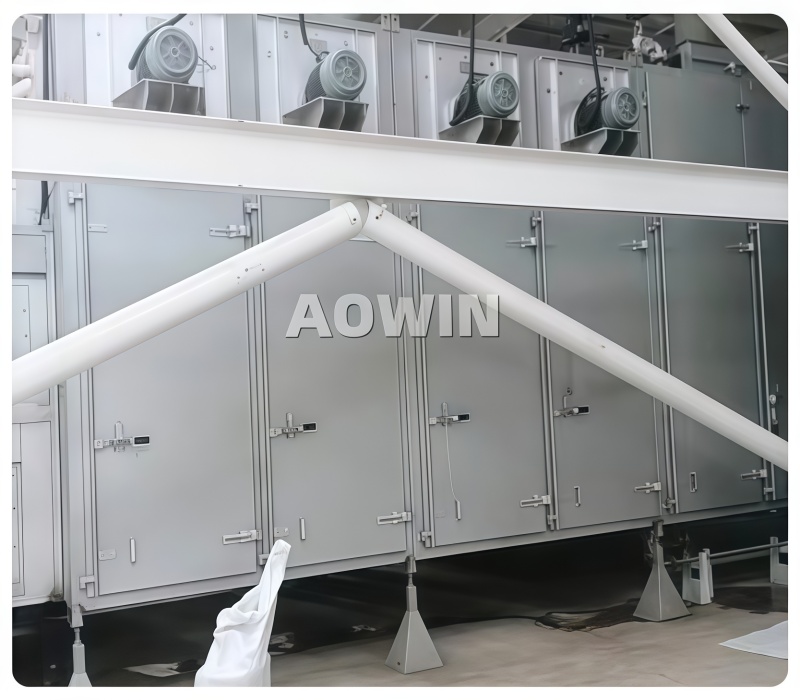
Mesh Belt Dryer
Freshly extruded fish feed pellets typically have a moisture content of over 22%. This gentle mesh belt dryer can reduce the moisture content of feed pellets by more than 10%, effectively extending the feed’s shelf life.
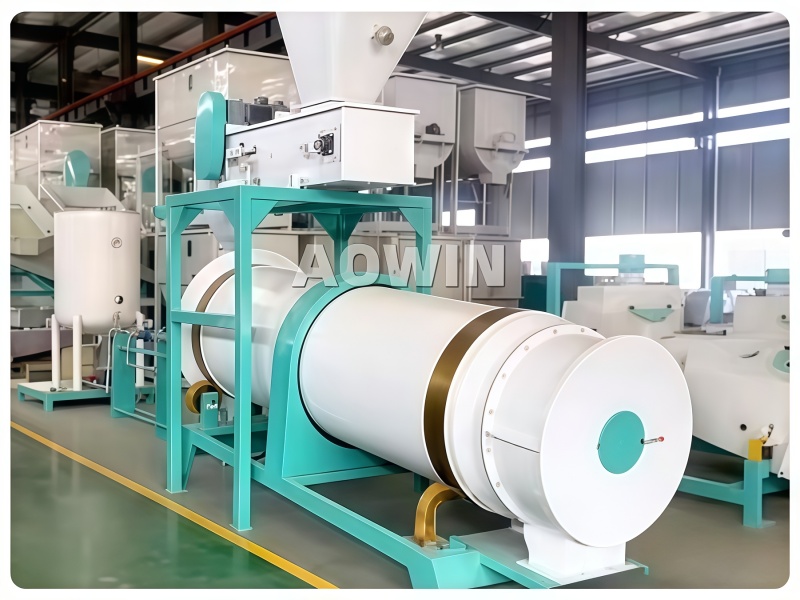
Spraying Machine
This spraying machine is designed to spray edible oil or attractants onto feed pellets, effectively enhancing their palatability. Feed pellets treated with oil spraying feature a smoother and more uniform surface, thus meeting the requirements for high-quality feed.
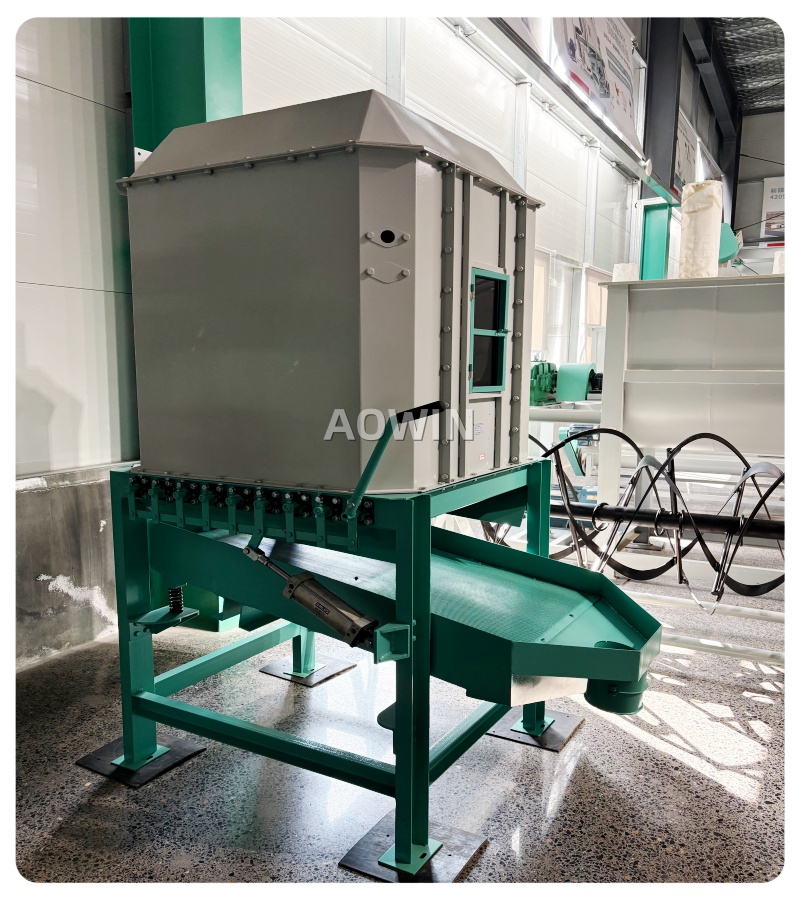
Cooling Machine
This cooling machine is designed to cool and set dried feed, lowering its temperature from 80°C to 3–5°C above room temperature. It helps solidify the fats in the feed, making packaging and transportation more convenient.
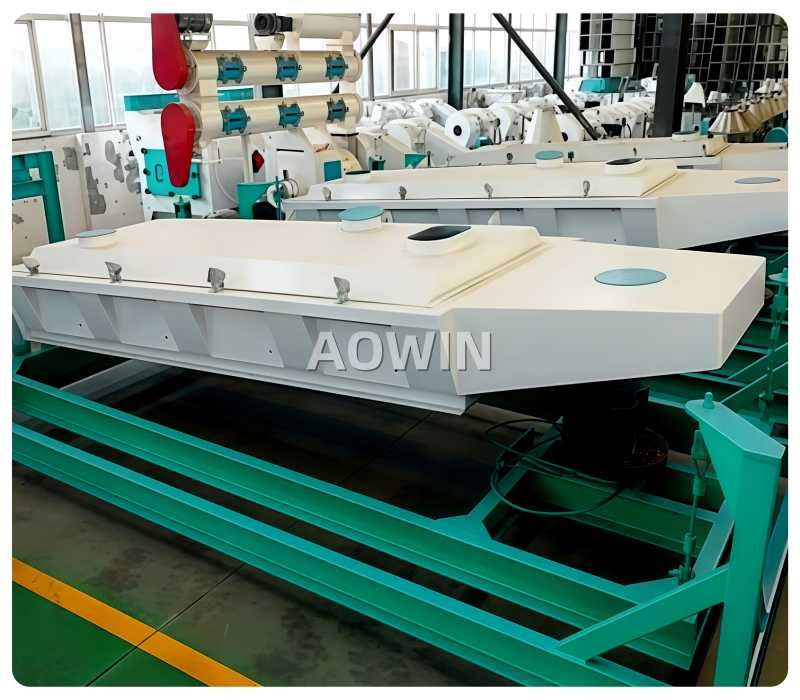
Vibrating Screen
This vibrating screen is designed to separate feed particles into two size grades while removing surface dust, ensuring consistent particle quality. It is typically assembled with a cooler for seamless integration into the feed production line.
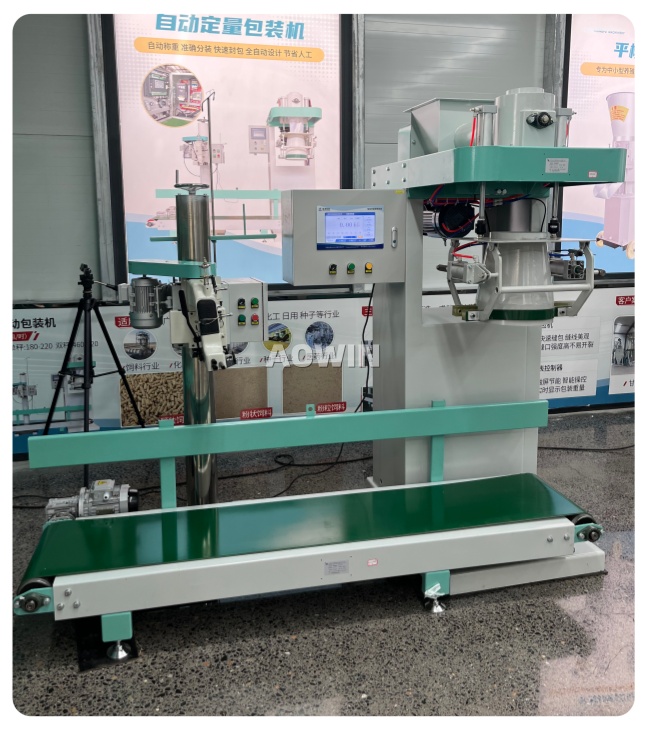
Packaging System
This packaging system enables automatic weighing and packaging, greatly facilitating product sales and storage. The standard packaging size is typically 10 to 50 kg per bag, and it supports heat sealing, string sealing, or a combination of both sealing methods to meet different packaging needs.
Global Cases
As a leading supplier of pelletizing equipment, our aqua feed manufacturing plant projects cover multiple countries and regions around the world. This enables us to fully understand the specific conditions of each region, thus delivering the most suitable customized solutions. Below are some case studies—each project is tailor-made to meet the client’s specific requirements, ensuring the highest return on investment (ROI) for our partners.
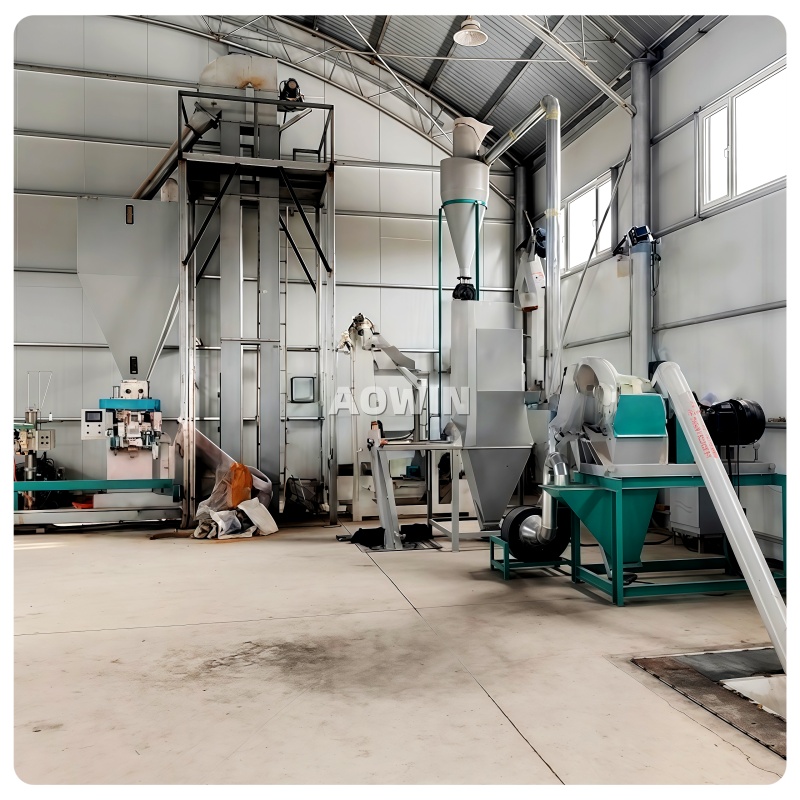
1 T/H Aquatic Feed Plant for Fish Feed Production in Qatar 
This flexible shrimp and fish feed production line is configured with a feed mixer, single-screw extruder and cooling machine to fully meet standard aquatic feed manufacturing requirements. The project adopts a simple layout design with easy operation and outstanding cost performance.
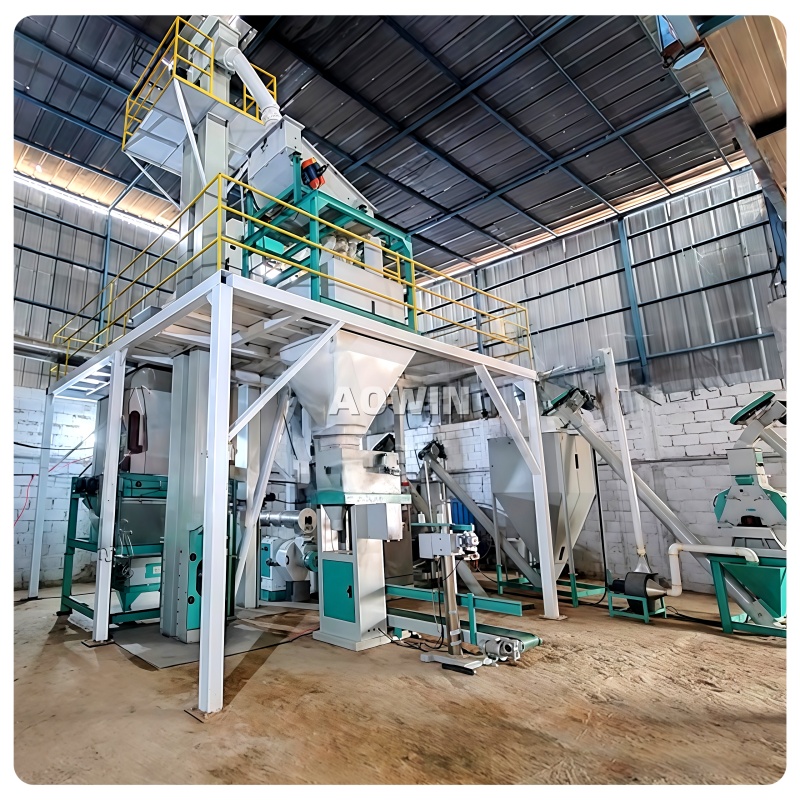
5 T/H Aquafeed Plant for Sinking Fish Feed Project in Senegal 
This 5 T/H dedicated sinking fish feed production project is designed for Senegal’s local freshwater fish, mainly tilapia and Clarias gariepinus. Equipped with a three-stage conditioner, the feed pellet mill produces pellets easier for local fish to digest and absorb. The finished products fully meet high-standard quality requirements and local market demand.
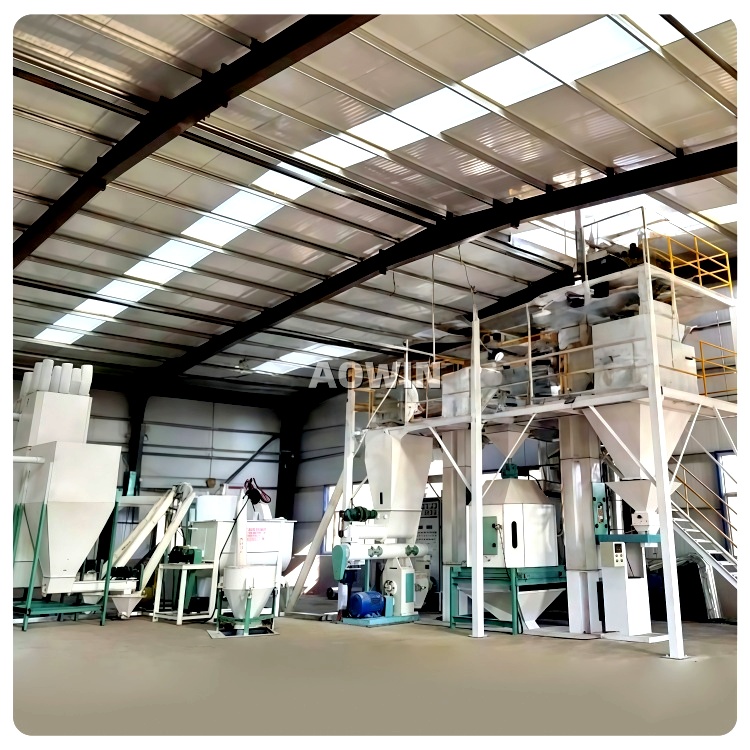
5-6 T/H Aquatic Feed Pellet Plant for Fish Feed in Philippines 
This project involves an automated floating fish feed production line, tailored to the Philippines’ local aquaculture market, mainly for core farmed species like tilapia, milkfish and sea bass. As the customer required high-end fish feed, a twin-screw fish feed extruder was selected. We provided a customized solution and professional on-site installation.
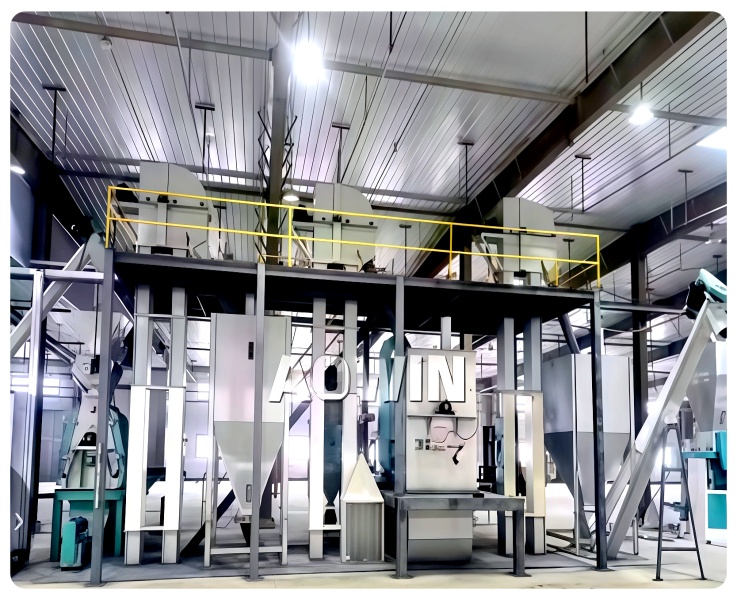
1 T/H Aquatic Feed Plant for Fish Feed Production in Malaysia 
This flexible aquatic feed plant is equipped with a mixer, single-screw extruder and cooler, fully meeting the production requirements of local mainstream aquatic feed. It features a simple design, easy operation and high cost-effectiveness, perfectly suitable for small and medium-sized aquaculture farms in Malaysia.
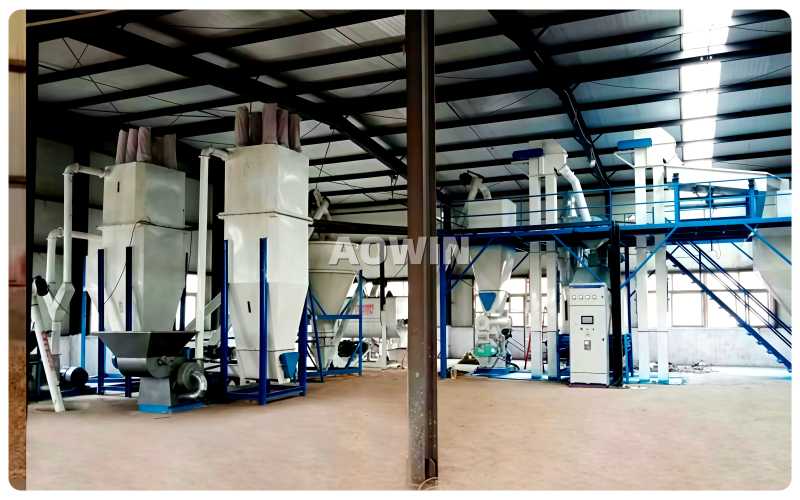
2 T/H Aquafeed Plant for Shrimp Feed Pellet in Colombia 
This project features a sophisticated production process designed to produce high-quality sinking shrimp feed, tailored to Colombia’s local shrimp farming industry. The feed exhibits high stability and water resistance, primarily intended for Pacific white shrimp (Litopenaeus vannamei), the most widely farmed shrimp species in Colombia. The client can flexibly switch between different feed formulations to adapt to local breeding stages and water conditions.
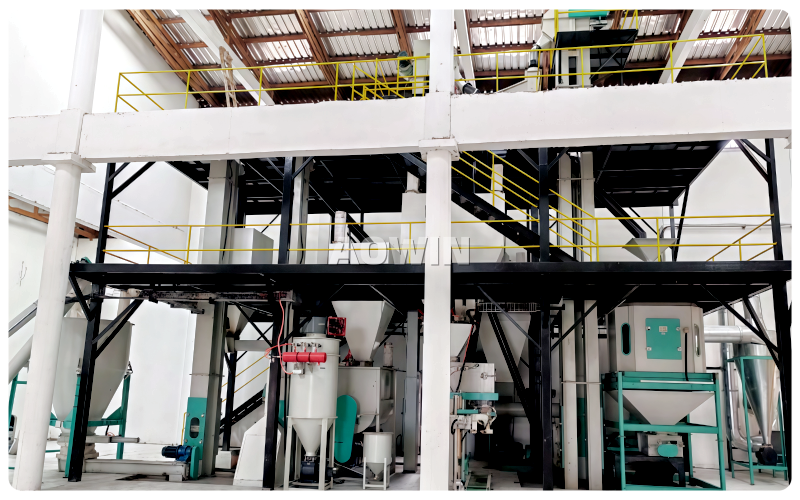
1–1.5 T/H Aquatic Feed Plant for Fish Feed in Zambia 
Our client required flexible production line equipment capable of producing both fish and shrimp feed, tailored to Zambia’s local aquaculture—mainly for tilapia and Nile tilapia (the most farmed fish) and freshwater shrimp. The project is equipped with a twin screw extrusion machine to handle various feed formulations, adapting to local raw material supply. The system is capable of producing both floating and sinking feed pellets, meeting the feeding needs of different local aquatic species.
About AOWIN
AOWIN is a leading global manufacturer specializing in feed pellet machines, extruders, and biomass pellet equipment. With over 30 years of manufacturing expertise and project experience across more than 76 countries and regions, we provide customers worldwide with complete aquatic feed pellet plant equipment sets, engineering design, installation, and turnkey project services.
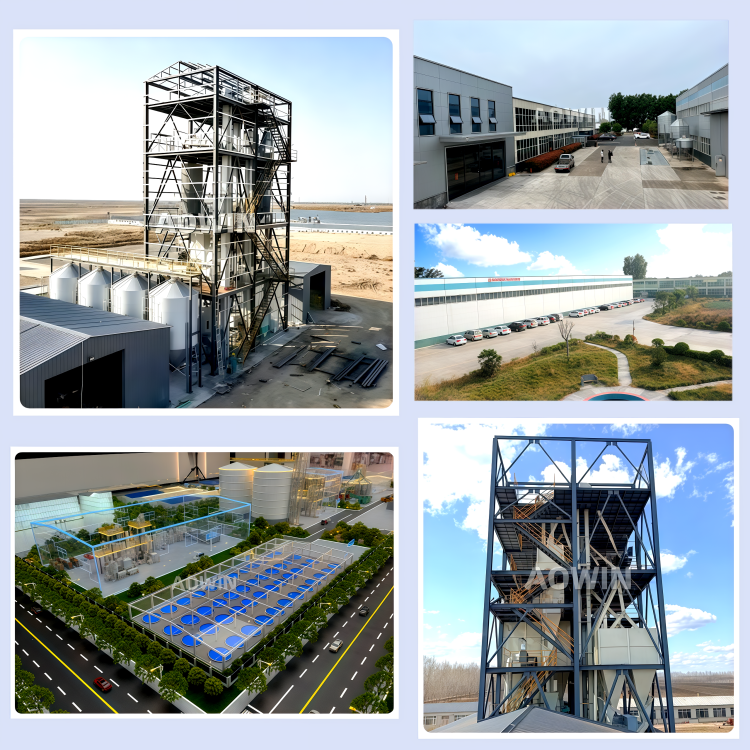
Customized Equipment Solution
Tailor-made pelletizing equipment solutions are provided based on local raw material supply, production capacity, feed formulation, and project objectives, ensuring perfect adaptation to actual production needs.
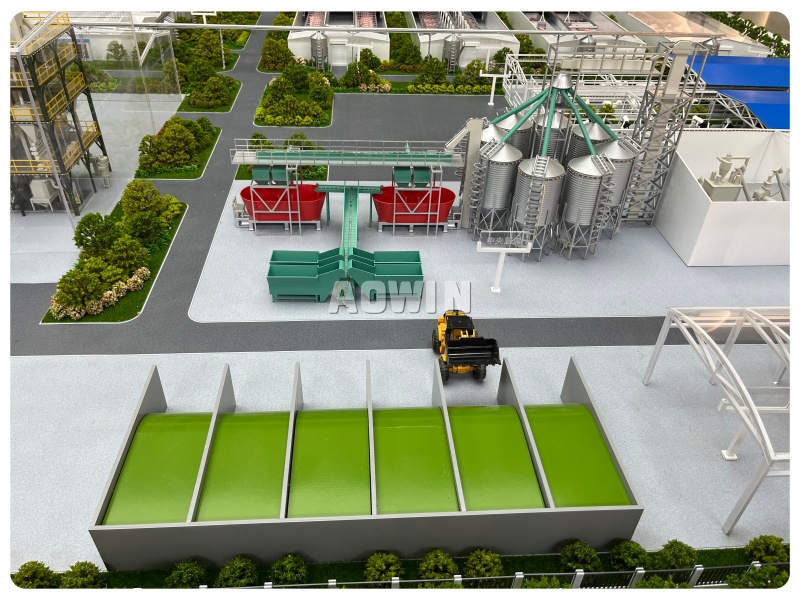
Complete Turnkey Project
Full-process turnkey solutions covering plant layout design, equipment installation, commissioning, operator training, and long-term after-sales service to ensure smooth operation.
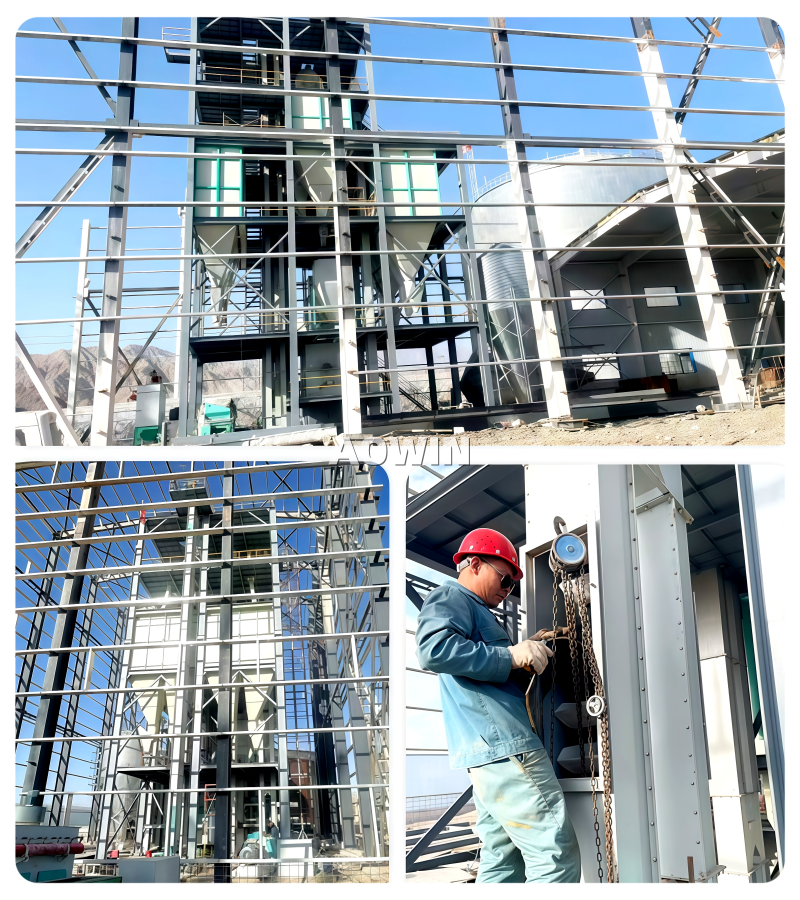
Full Line & Full Process Supply
We provide one-stop full-set equipment covering crushing, mixing, pelletizing, cooling, screening and automatic packaging.
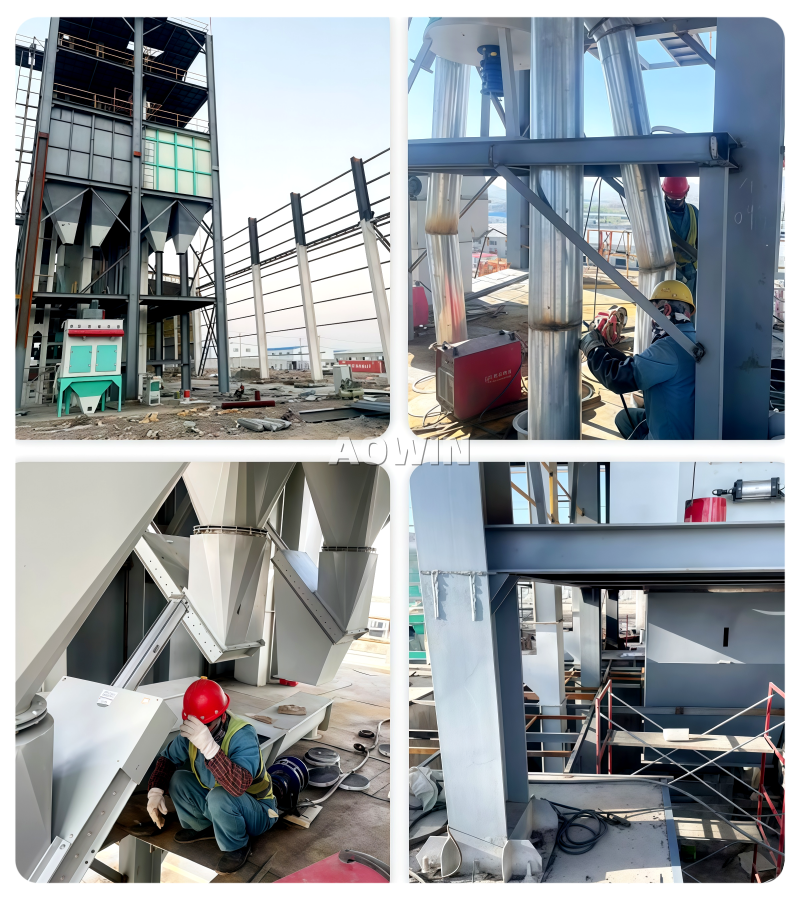
Global Technical Support
AOWIN’s experienced professional engineers guarantee efficient on-site installation and long-term stable production operation.
Frequently Asked Questions About Aquatic Feed Pellet Equipment
| 1 | What is the difference between floating and sinking aquatic feed pellet plant? | Floating feed plant: Produces high-grade floating pellets with raw materials like fish meal and starch, suitable for surface-feeding fish. |
Sinking feed plant: Uses the same raw materials, producing sinking pellets for bottom-feeding aquatic organisms.
|
| 2 | What is the difference between pelleted and extruded feed? | Pelleted feed: Crushed raw materials are mixed and pressed into pellets, suitable for conventional sinking feed. |
Extruded feed: Processed at high temperature and pressure, forming floating pellets with good water resistance. |
| 3 | What are the advantages of pellet feed? | Low investment, high output, easy storage and transportation, high feed conversion rate, suitable for both main and polycultured fish. |
|
| 4 | How to select the right pelletizing equipment? | Pellet machine: Suitable for conventional sinking feed, cost-effective and easy to operate. |
Twin-screw extruder: Suitable for high-value feed, with strong adaptability and self-cleaning function. |
| 5 | How to produce clean aquaculture feed pellets? | Add raw material screening, remove impurities and metal debris, use dust removal system, ensure feed cleanliness. |
|