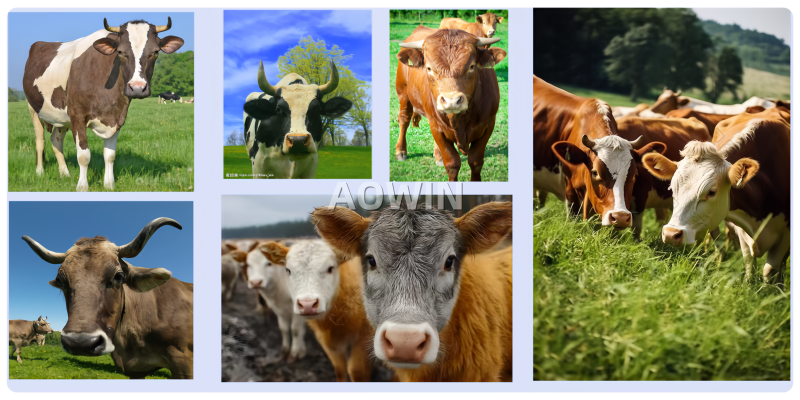
You may select suitable equipment according to your raw materials.If your raw materials contain grass, the cattle feed pellet machine should be equipped with a forced feeder for better processing performance.
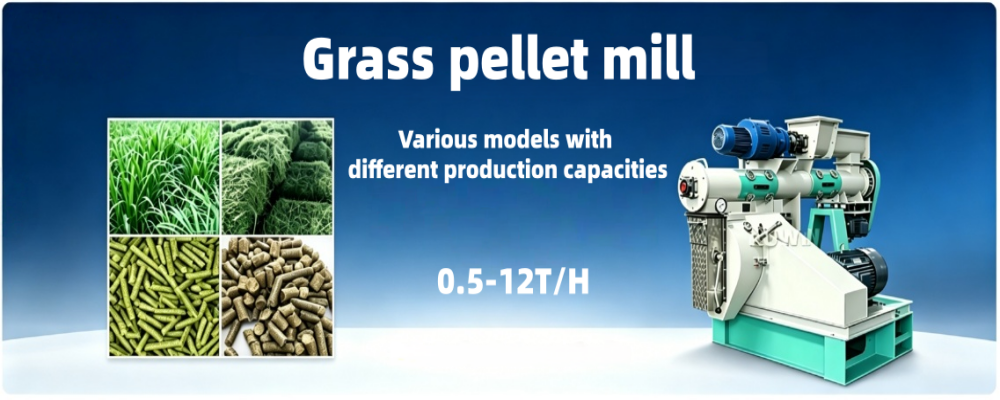
Reserved Space Considerations
You can choose a suitable plant design based on your available space. If you already have an existing factory, you need to confirm its length, width, and height first. If the factory height is insufficient, you should check the relevant policies to confirm whether roof modification is permitted.
If you do not have a factory, AOWIN can design a suitable cattle feed production line for you. We provide professional suggestions on all aspects, including plant layout, workshop arrangement, and equipment selection, to fully adapt to your space conditions.
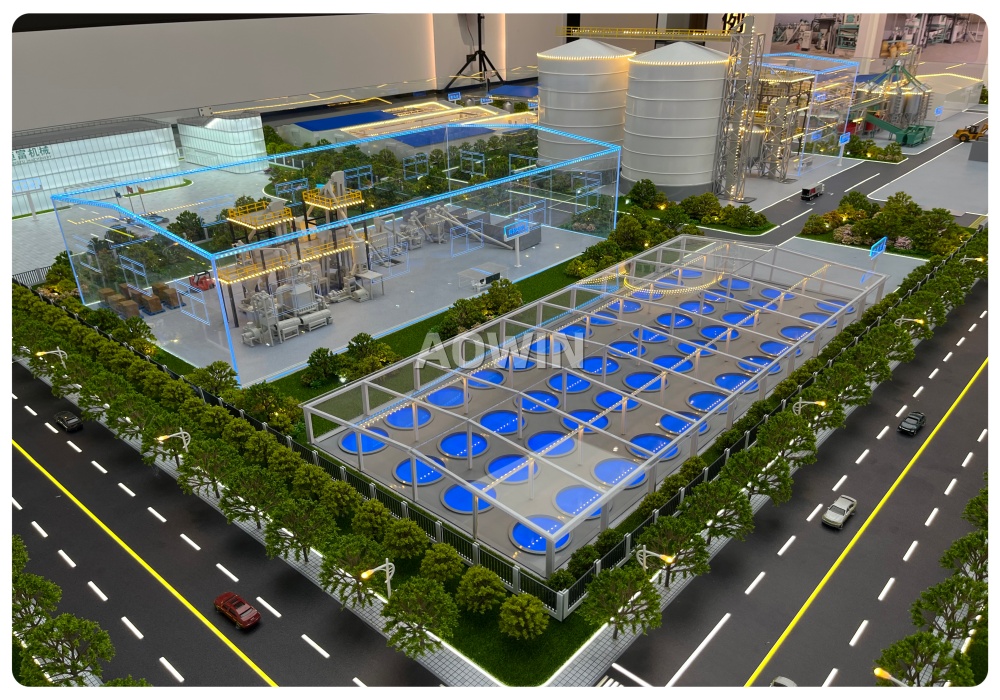
Purpose of Feed Pellets
If you produce cattle feed pellets for commercial sales, a packaging machine is a necessary configuration.If production is only for your own farm and livestock feeding, you can omit the packaging machine to save cost.
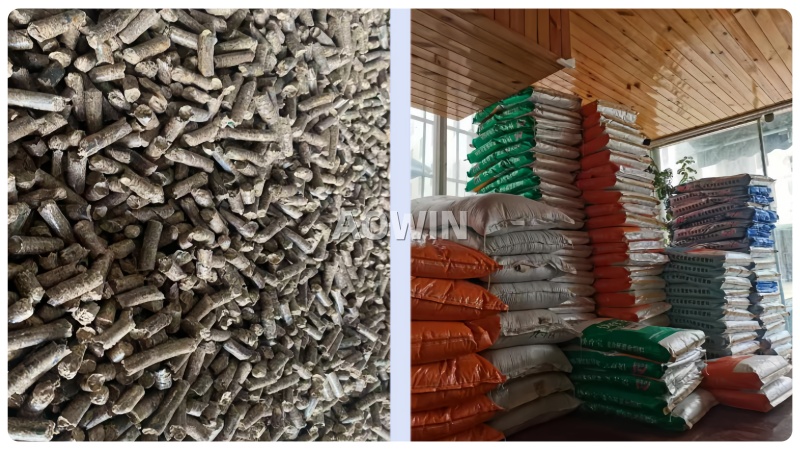
Above all, the key to choosing a high-quality cattle feed processing plant lies in selecting a reliable feed pellet mill brand.
AOWIN always adheres to the principle of quality first. With over 30 years of industry experience, we are able to provide customers with customized feed production solutions.
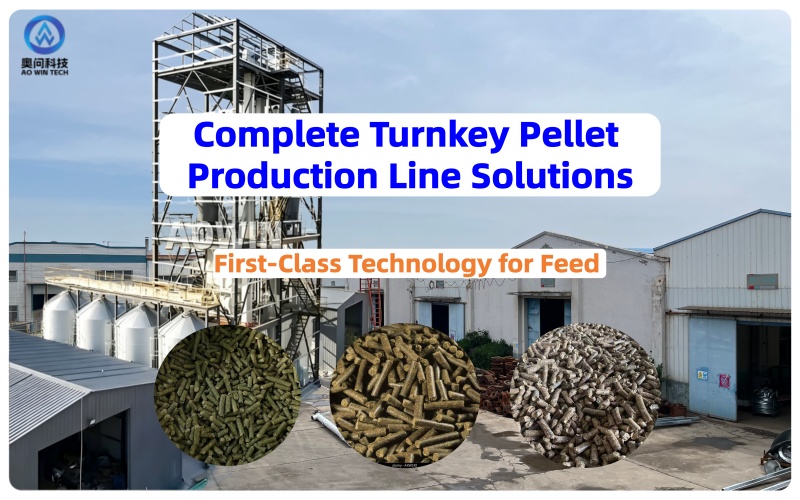
Why Choose AOWIN for Cattle Feed Processing Plant Solutions
AOWIN is a certified manufacturer with CE, ISO and BV qualifications. We have self-built production factories and advanced processing equipment, focusing on animal feed pellet machinery, biomass pellet equipment, wood pellet machines, organic fertilizer pellet mills and supporting spare parts.
All core components and wearing parts are made of high-quality wear-resistant materials for stable operation and long service life. We provide customized cattle feed processing plant designs to meet various production needs, and offer tailored solutions according to customers’ raw materials, production capacity and pellet specifications.
AOWIN pellet machines are exported to Europe, Asia, Oceania, North America, South America, the Middle East and Africa. Our product range includes feed grinders, feed mixers, pellet making machines, feed batching machines, puffing machines and automatic electric control systems. We can supply both single machines and complete cattle feed production lines for your project.
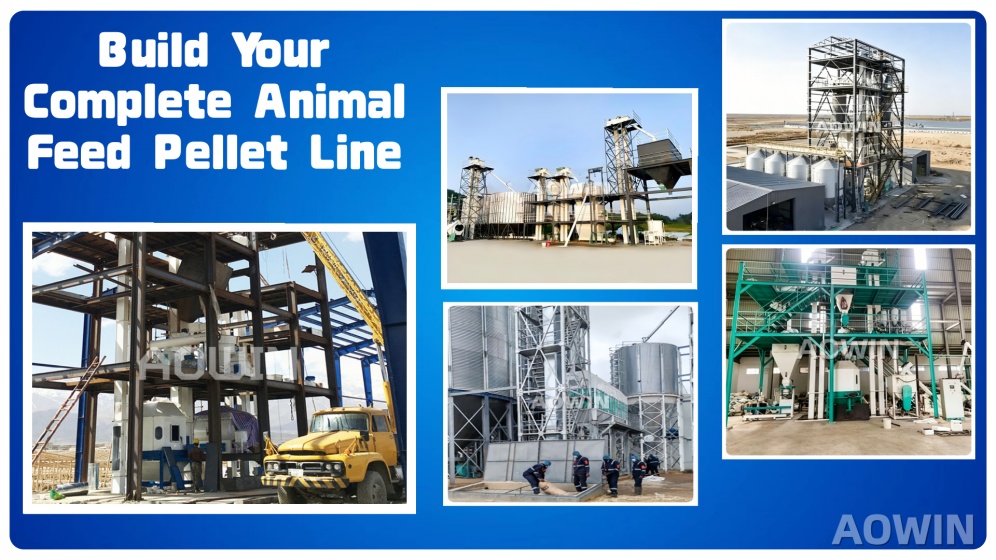
AOWIN also provides professional one-stop service. We offer a complete systematic solution covering structural design, equipment manufacturing, on-site installation and comprehensive after-sales support.
Feed Machinery Structural Design And Equipment Production
With over 30 years of experience in the feed pellet industry, AOWIN can deliver professional technical guidance for setting up a cattle feed processing plant. Based on on-site surveys for customers, we provide detailed project design solutions and professional site foundation layout drawings.
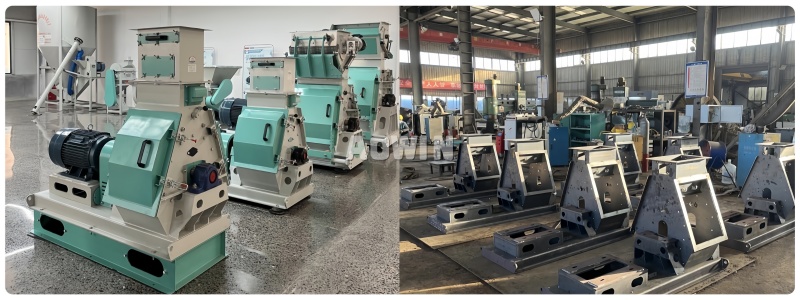
Feed Machinery Installation
AOWIN features a comprehensive technical training and guidance system. Our professional technicians provide free on-site training covering equipment operation, routine maintenance and daily upkeep.
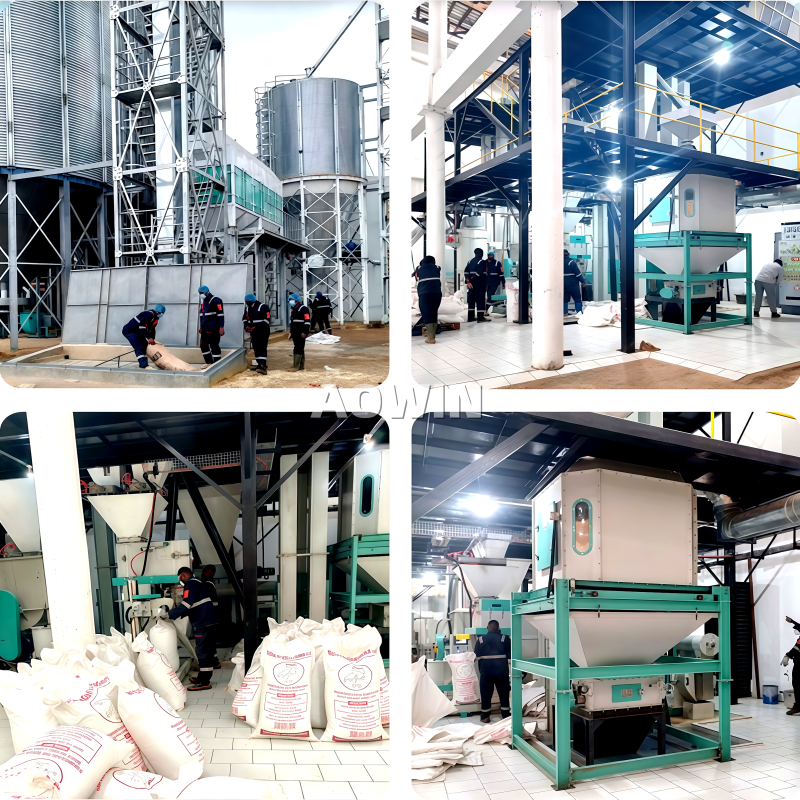
After-Sales Service
AOWIN has long been dedicated to the manufacturing of feed processing equipment. We maintain a professional and experienced after-sales team, supported by a modern information-based after-sales management system.
From regular spare parts supply and equipment maintenance to fault repair, we deliver reliable one-stop after-sales service to solve all your operational worries.
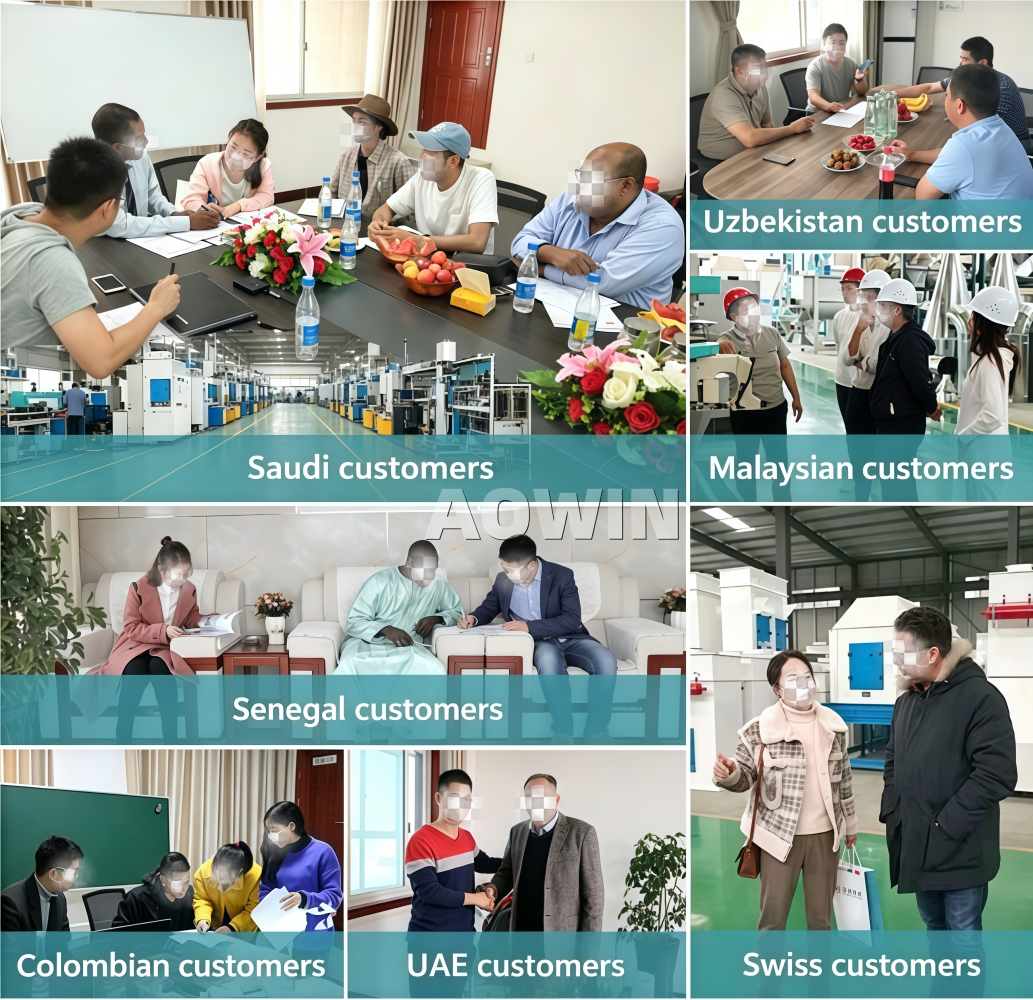
As a professional cattle feed processing plant manufacturer, AOWIN provides all-round services for every customer.
If you want to know more about cattle feed manufacturing plant solutions, feel free to contact us directly. We are always ready to serve you.
Is a feed manufacturing plant profitable?
Rising living standards drive steady growth in consumption of meat, dairy and aquatic products. The expanding demand for livestock and aquatic farming creates great market opportunities for the feed industry.
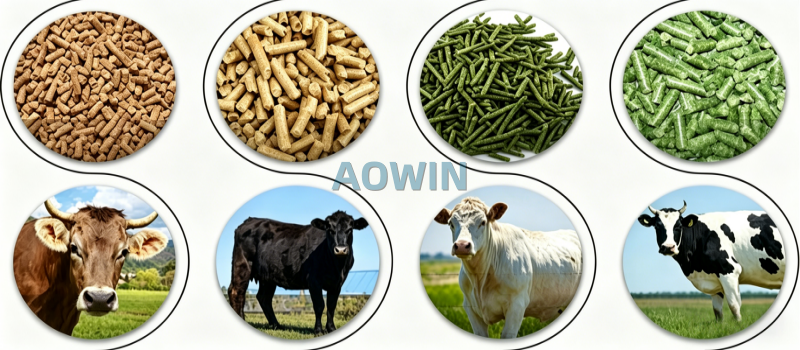
Cattle pellet feed is processed by professional cattle feed pellet mills. With obvious feeding advantages, it has been widely recognized and used by farmers globally.
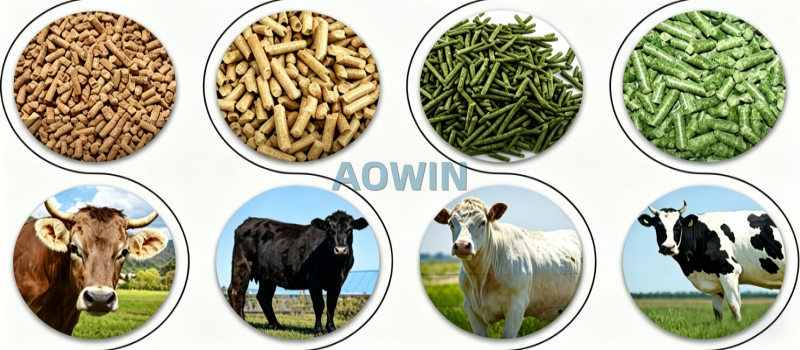
Therefore, investing in or purchasing a cattle feed manufacturing plant is highly promising for cattle feed pellet plant suppliers, as well as poultry, livestock and ruminant farms.
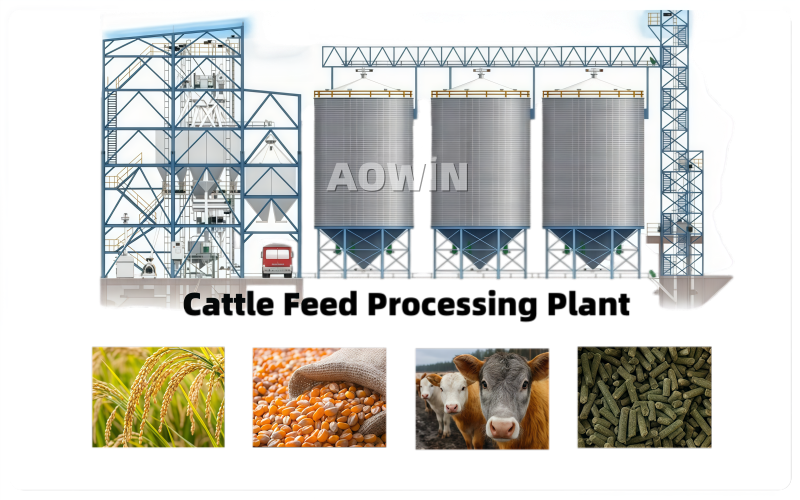
As an experienced cattle feed processing plant manufacturer with over 30 years of industry expertise, AOWIN offers customized cattle feed manufacturing plant solutions with a capacity ranging from 1 to 100 tons per hour. If you are interested, feel free to send us an inquiry, and we will respond to you promptly.
How To Start Small Cattle & Poultry Feed Processing Plant With 1-4T/H Production Capacity?
Cattle farming is a common agricultural practice. With the rising price of cattle in recent years, more and more people have joined the industry. Beef has also become an essential meat in daily life. To increase their income, farmers need to find ways to promote faster cattle growth.
A small cattle feed processing plant is the top choice for cattle farmers. As a popular feed form among most farmers, pellet feed has many advantages: convenient transportation and carrying, long storage time, high nutritional value, improved palatability for cattle, reduced disease risk, and better digestibility. These benefits make it favored by farmers. So, what preparations are needed to produce cattle feed pellets?
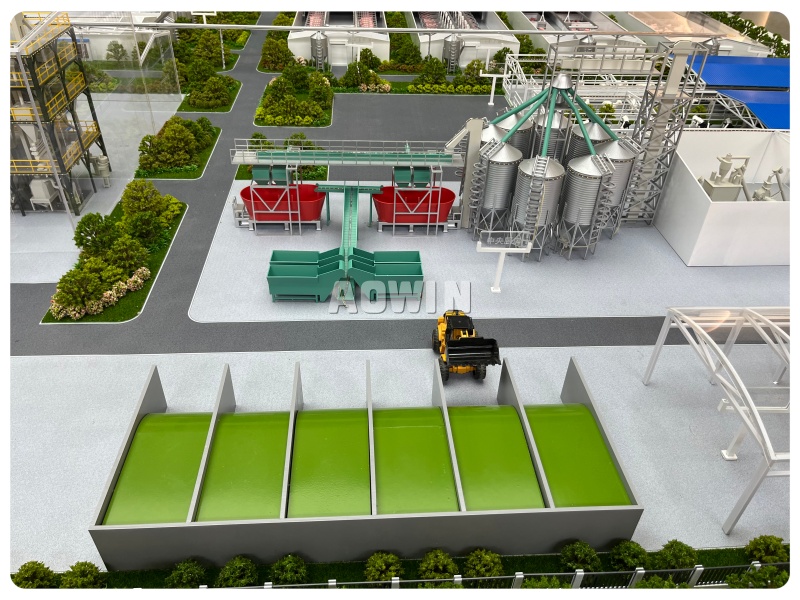
Key Preparations for Small Cattle Feed Processing Plant
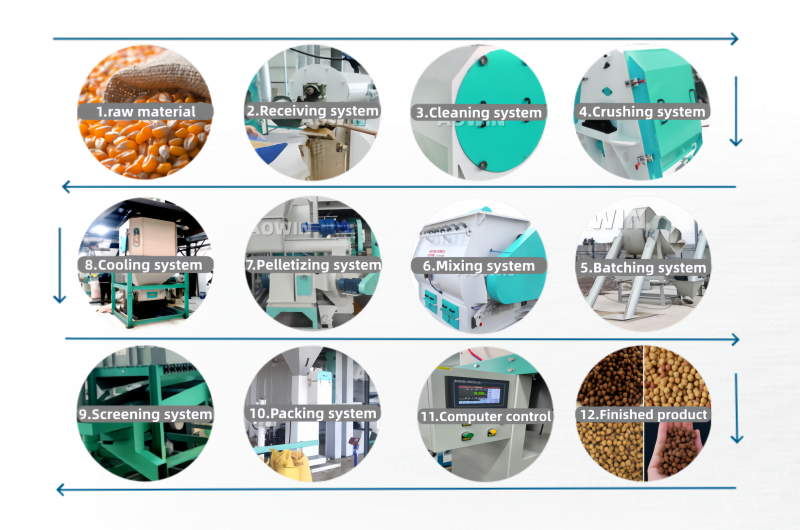
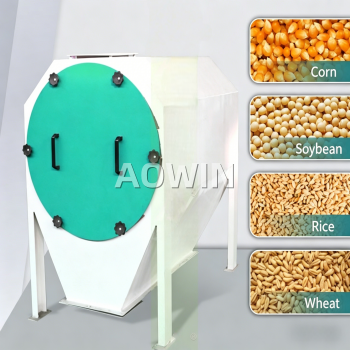
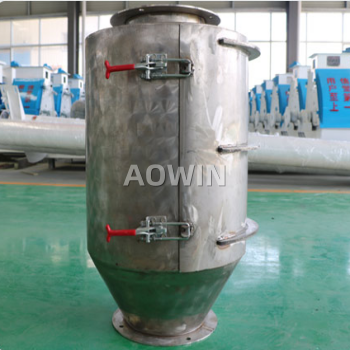
First, impurity removal is essential for smooth equipment operation. Every feed raw material requires impurity removal. Though simple, this step is crucial—it not only improves feed pellet quality but also ensures the long service life of feed machinery.
Second, crushing helps cattle digest feed better. The crushing fineness depends on the type, age of livestock, and raw material characteristics. For cereals and beans, the crushing particle size is 0.1mm, while straw crushing is generally controlled below 0.1mm.
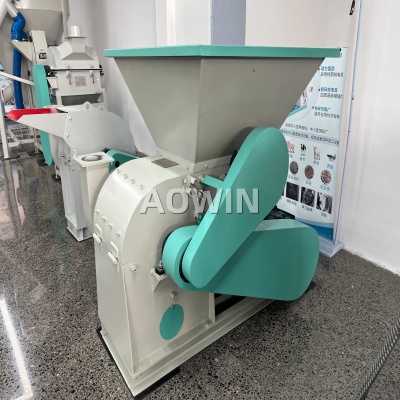
Therefore, a small cattle feed production line (1-4T/H) should be equipped with impurity removers—such as powder sieves, drum-type precleaners, or permanent magnet sleeves—and a feed grinder for optimal granulation.
If you plan to build a small cattle & poultry feed processing plant, feel free to contact us. AOWIN provides customized designs tailored to your specific needs.
What Is The Price Of The Cattle Feed Machinery Production Line?
To reduce feeding costs, more and more farmers intend to produce their own feed pellets. When setting up a cattle feed processing plant, the main concern is equipment price. Before knowing the cost of building a cattle feed processing plant, you need to understand the necessary equipment in the production line.
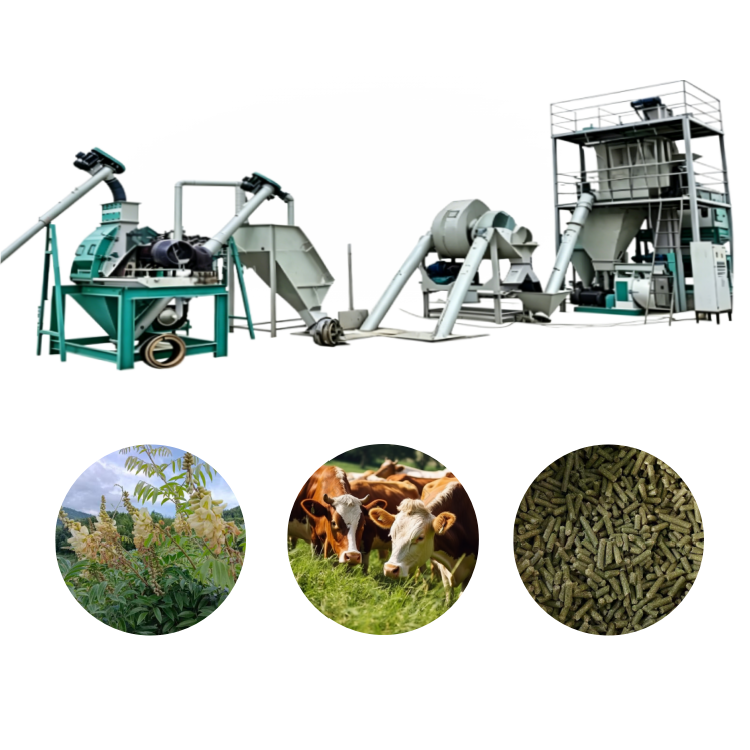
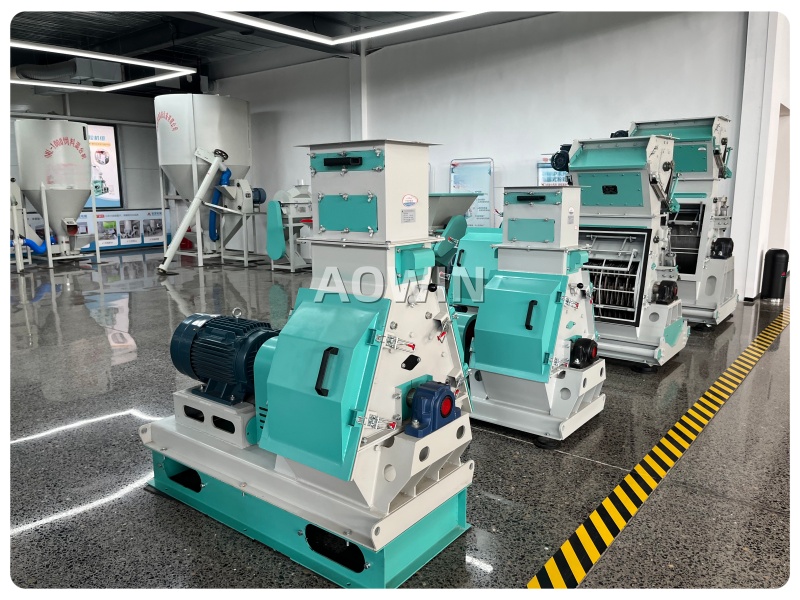
First, the feed grinder. It is mainly used to crush various feed raw materials. The purpose of feed crushing is to increase the feed surface area, adjust particle size, and improve palatability. This makes the feed easier to contact with digestive juices, helping to improve digestibility and nutrient absorption.
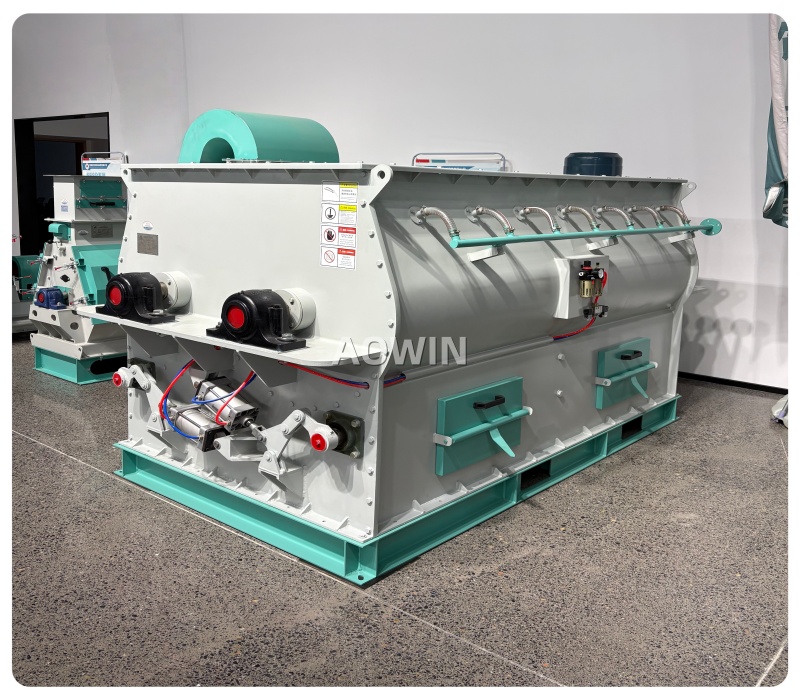
Second, the cattle feed mixer. This is a mechanical device that uses mechanical force and gravity to mix two or more materials evenly. During mixing, it increases the contact area of materials to promote chemical reactions. Mixing raw materials improves the uniformity of components with different particle sizes, which helps maintain consistent pellet hardness and enhance product quality. The feed mixer features an advanced structure, easy operation, safe and reliable performance, fast mixing speed, and uniform mixing quality.
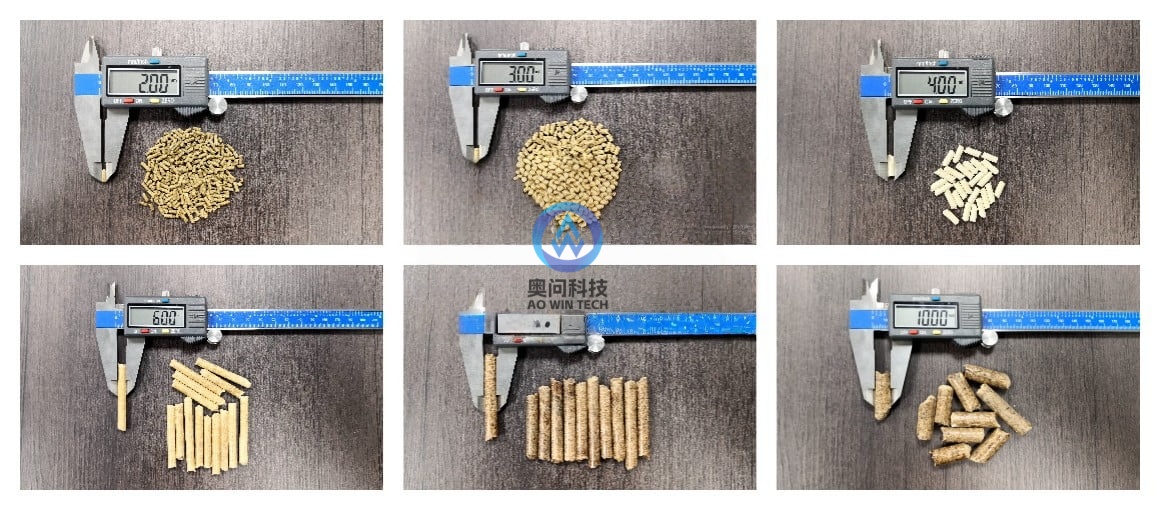
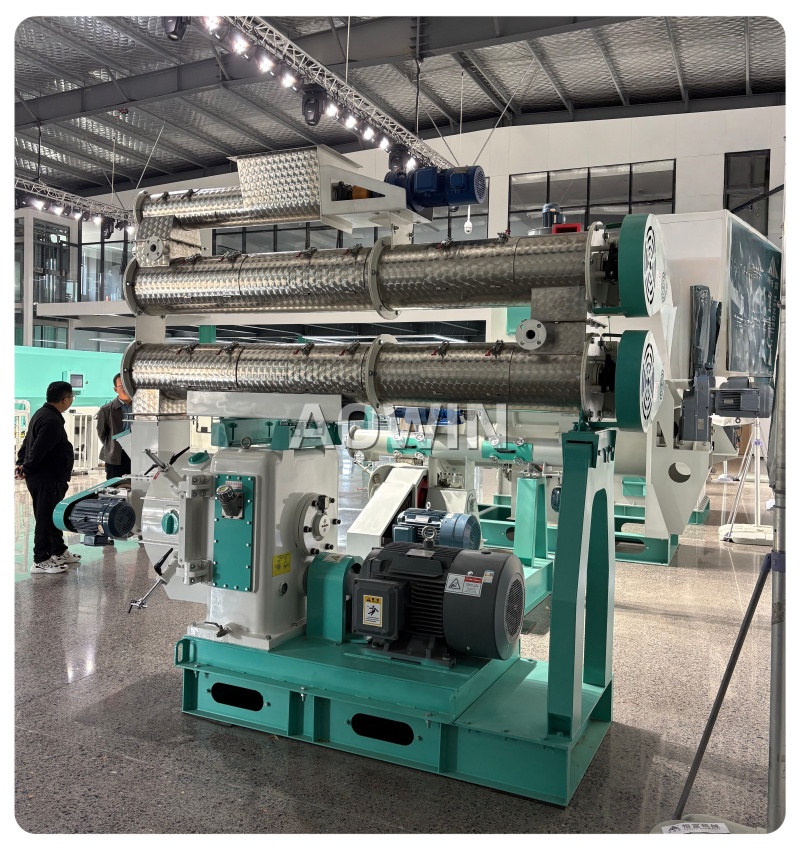
Third, the cattle feed pellet machine. This is a vital piece of equipment for the entire cattle feed pellet plant. By adjusting compression ratios and conditioning times, it can produce different feed pellets to meet the needs of various animals. It is suitable for small, medium, and large-scale farms to process feed pellets for cattle, chickens, pigs, and sheep.
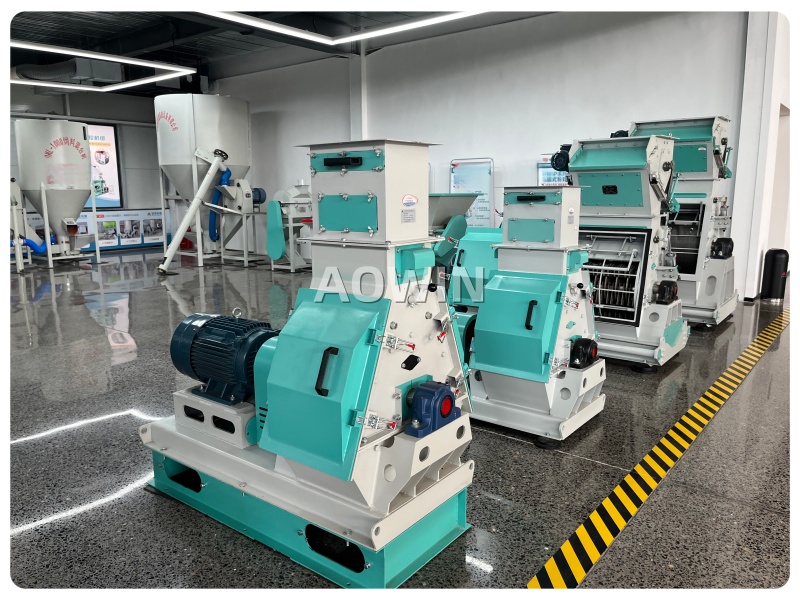
Feed Grinder Machine
| 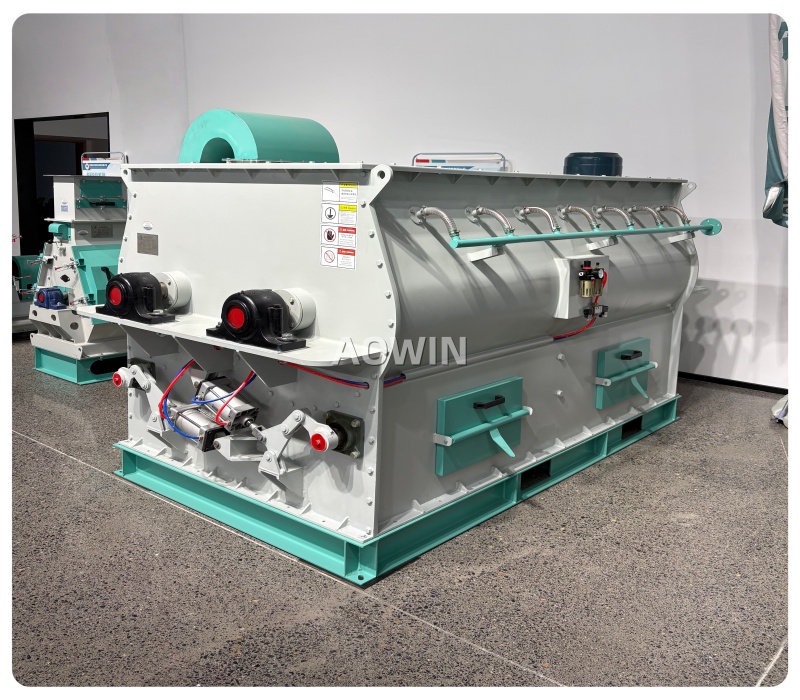
Feed Mixing Machine
| 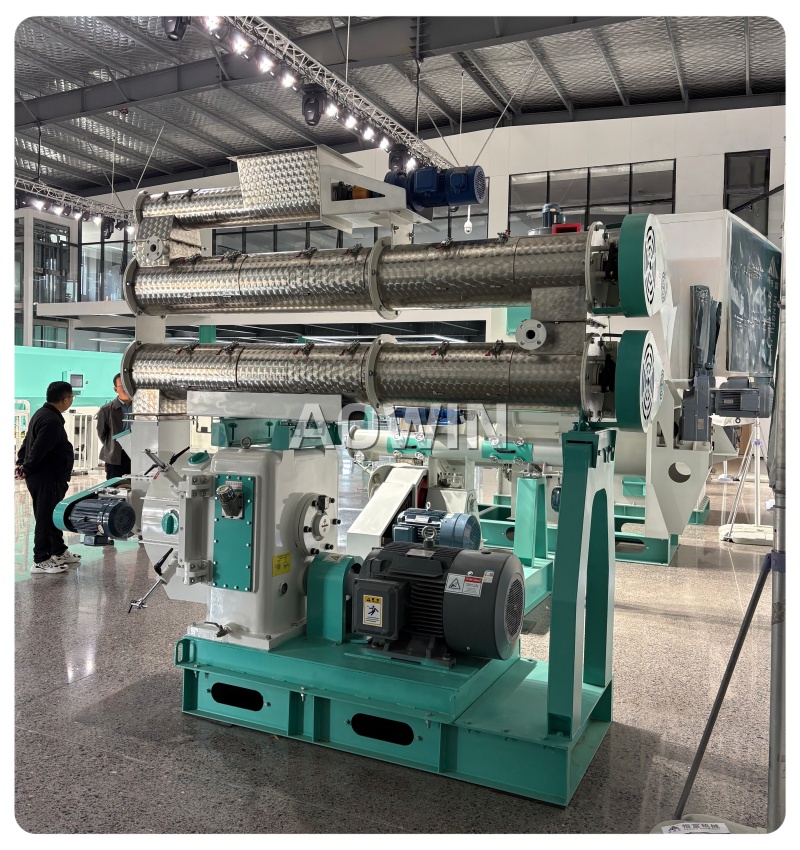
Cattle Feed Pellet Making Machine
|
AOWIN provides 1-45t/h cattle feed pellet machines and 1-100t/h cattle feed manufacturing plants, suitable for small, medium, and large-scale animal breeding farms. Below is the cost-related information for starting a 1-100t/h plant.
The rapid development of the breeding and feed industry has greatly promoted the development and progress of animal feed equipment. Equipment such as animal feed pellet machines has been more widely used, with technological breakthroughs. Current animal feed mill equipment for sale ensures no nutrient loss when raw materials are processed into feed pellets. The pellets have a smoother surface and appropriate hardness for animal digestion, while also killing harmful microorganisms in the feed—making it ideal equipment for reducing breeding costs and improving economic benefits.
AOWIN adheres to the principle of product quality first. Core components and wearing parts are made of high-quality wear-resistant materials, combined with advanced processing technology. If you want to learn more about the equipment, feel free to contact us.
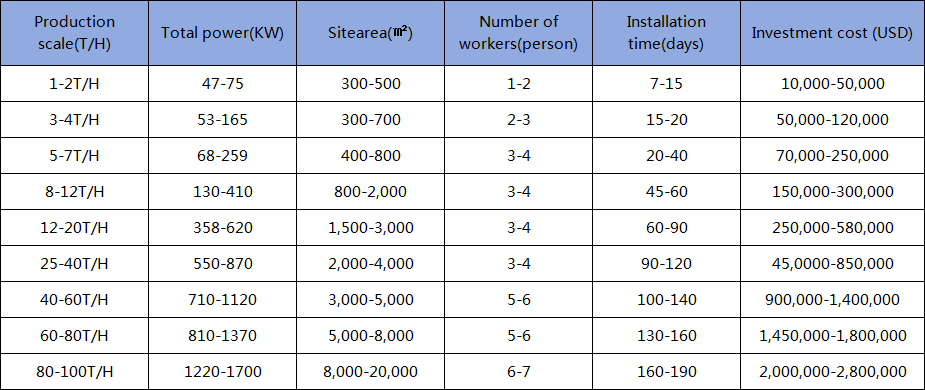
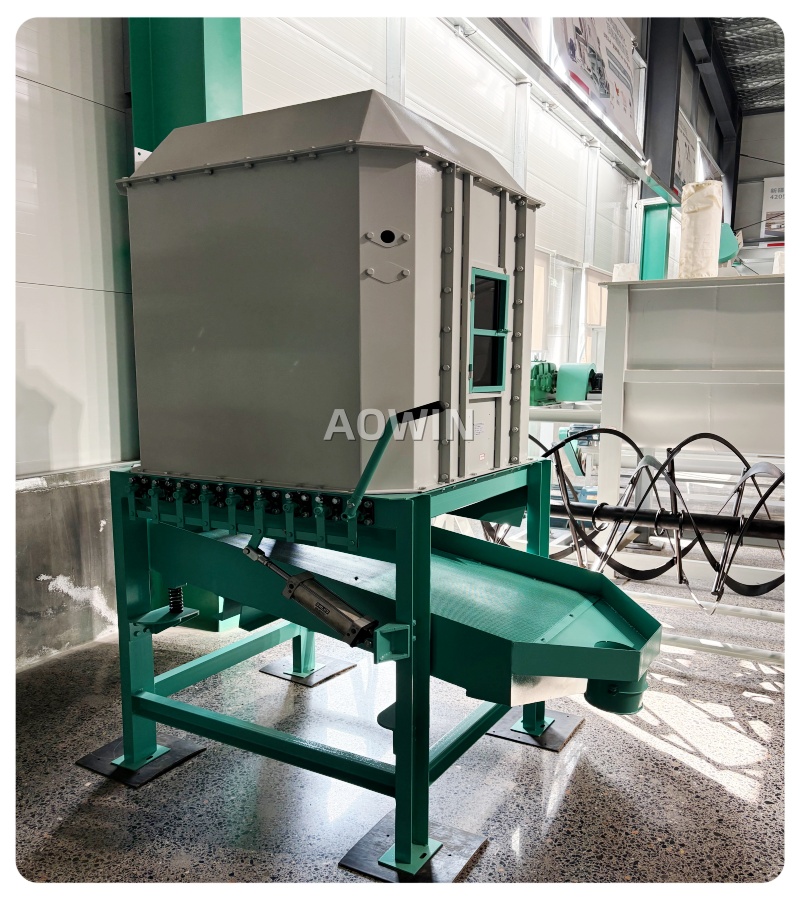
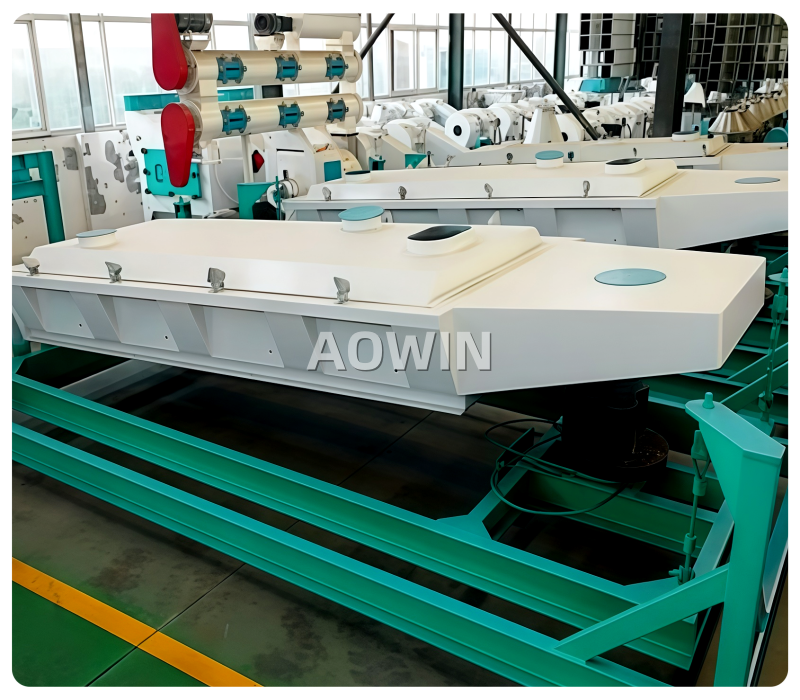
The cattle feed production line can be divided into low configuration, standard configuration, and high configuration. Equipment varies according to different raw materials, animal feeding needs, and customer requirements, so the actual price naturally differs.
AOWIN has a professional technical team with over 30 years of industry experience, capable of providing customers with customized designs. If you are interested in cattle feed processing plant equipment, feel free to send us an inquiry.


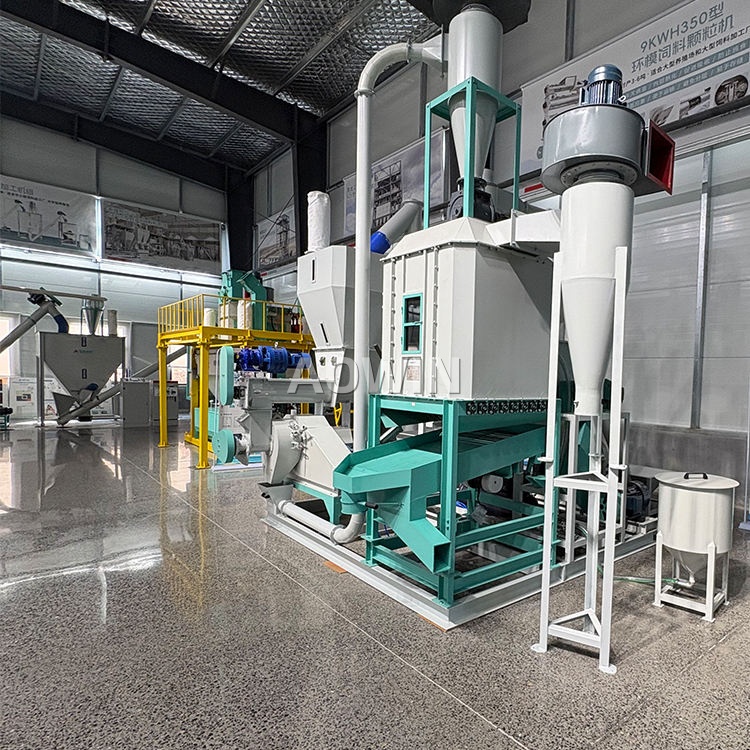
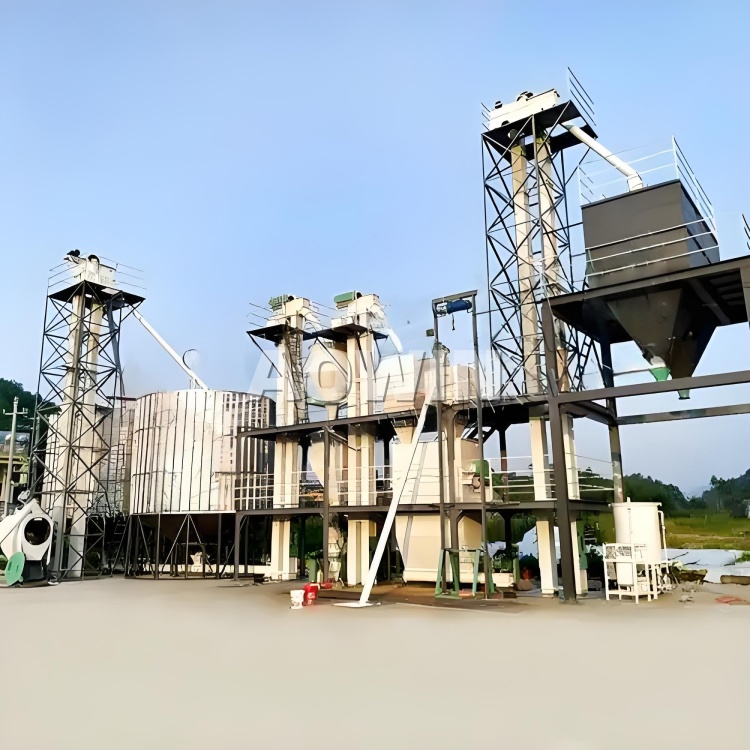
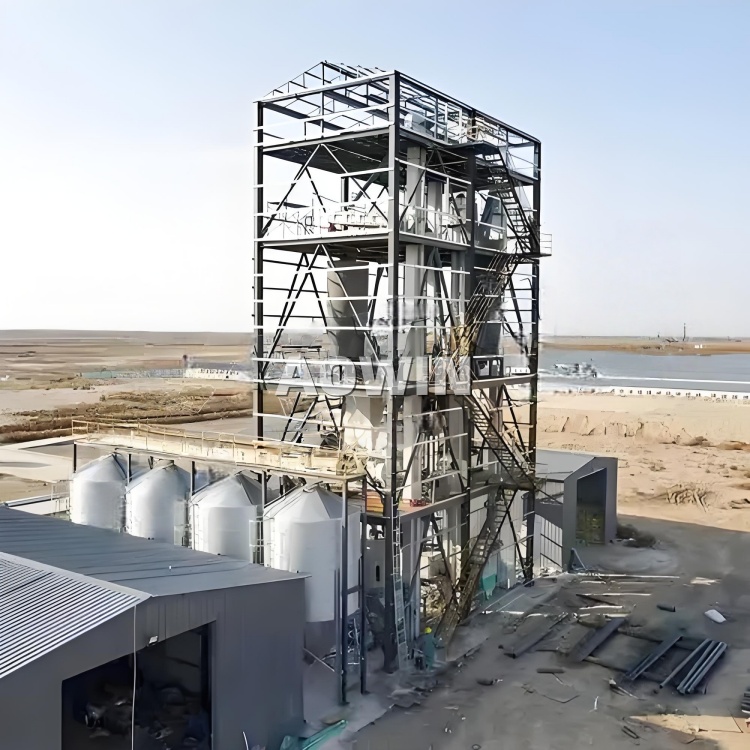
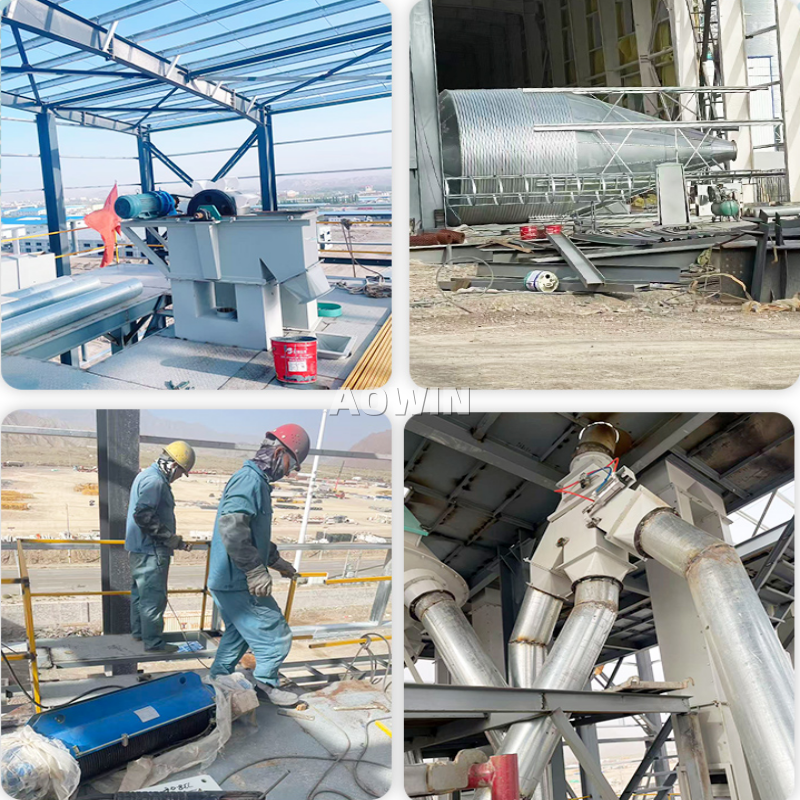
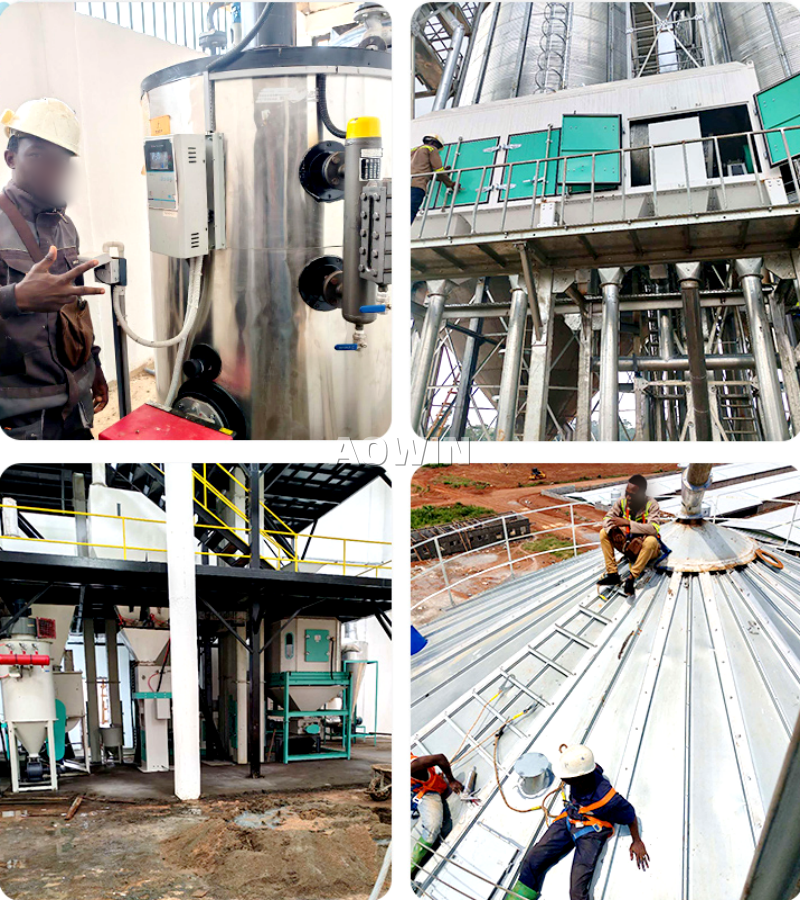
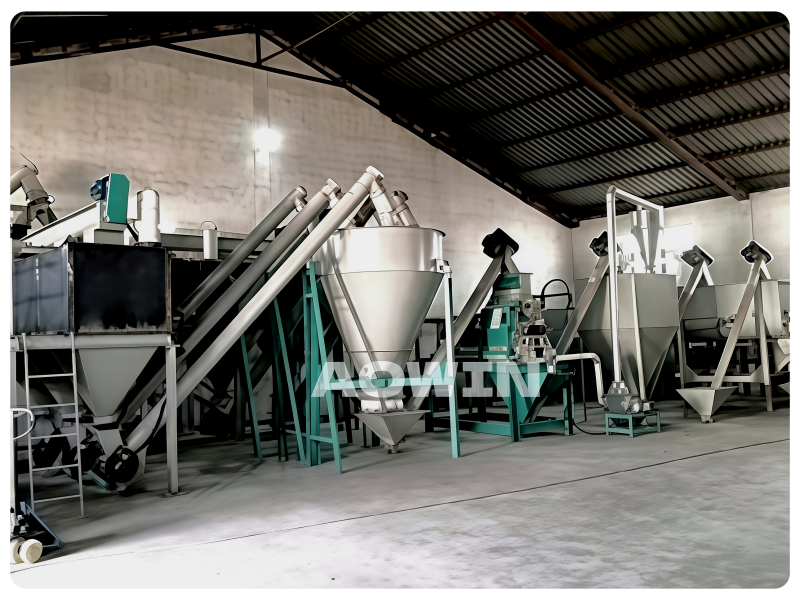
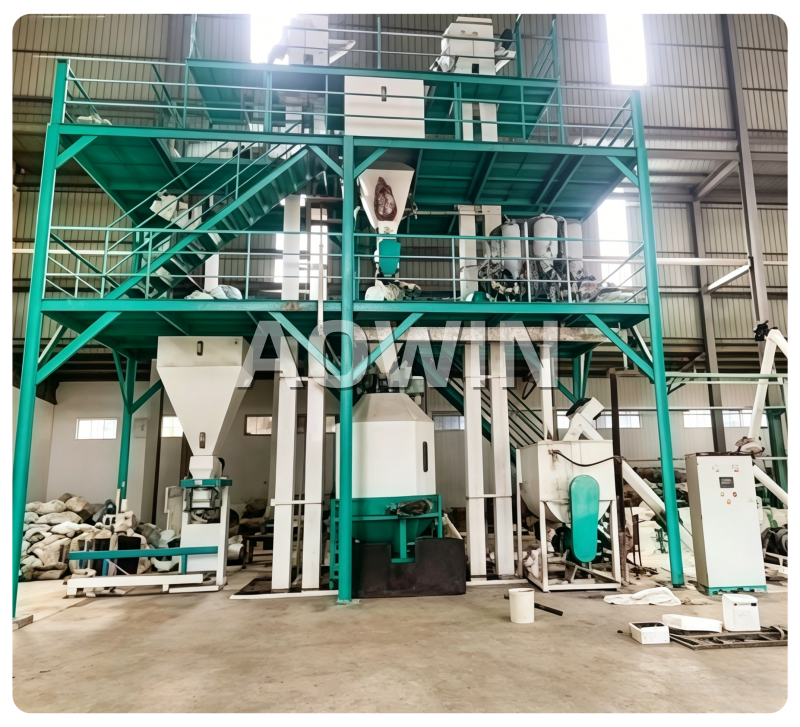
 The Cattle Feed Processing Plant In Zambia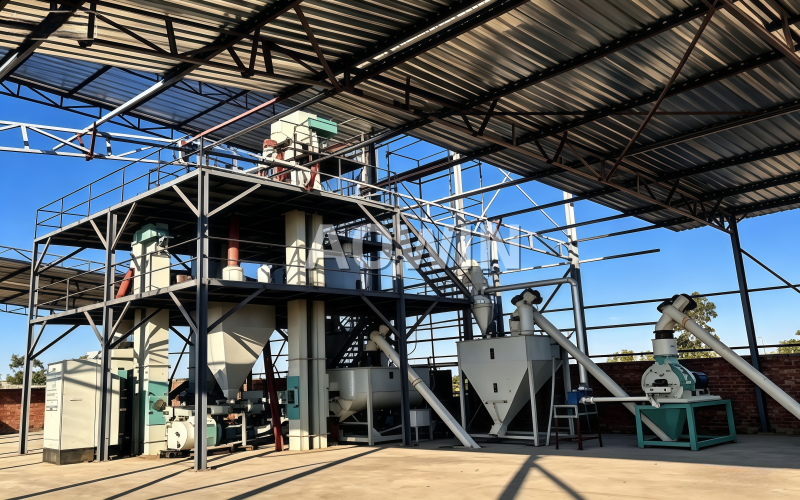
 The Cattle Feed Pellet Plant In Zimbabwe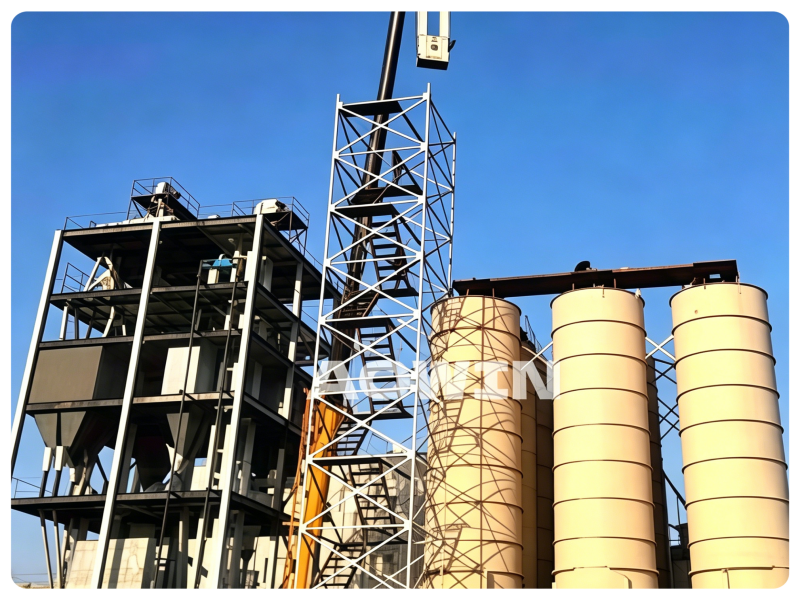
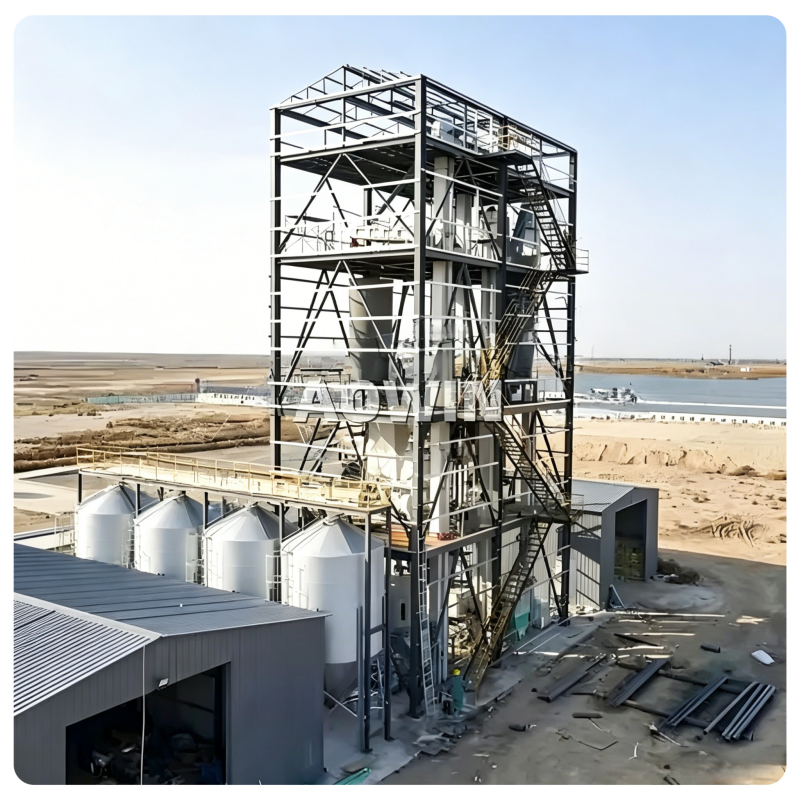
 The Cattle Feed Pellet Plant In Uzbekistani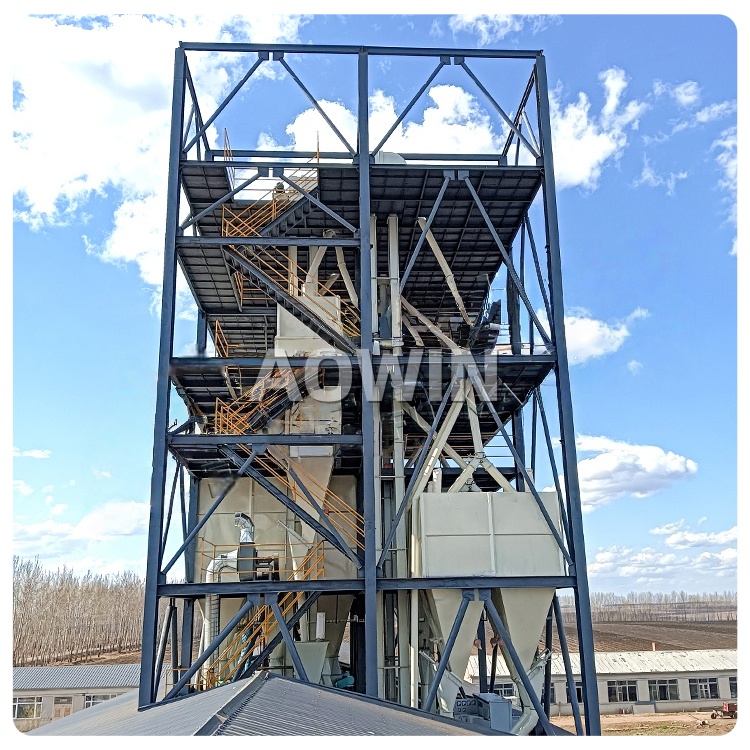
 The Cattle Feed Manufacturing Plant In America