Fish Feed Pellet Making Machine: Core Equipment for Aquatic Feed Processing
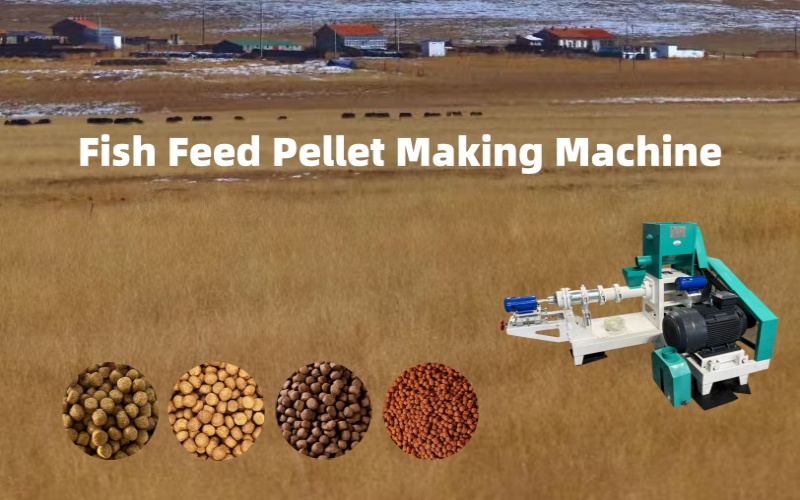
AOWIN fish feed pellet making machine is the core equipment in aquatic feed processing. Its main function is to compress uniformly mixed powdered raw materials into high-quality granular feed under high temperature and pressure, which is suitable for various aquatic organisms such as fish, shrimp and crab.
The fish feed pellet making machine not only improves the utilization rate of feed, reduces feed waste, but also ensures the nutritional balance of aquatic feed, promoting the healthy growth of aquatic products and helping aquatic farmers increase production and income.
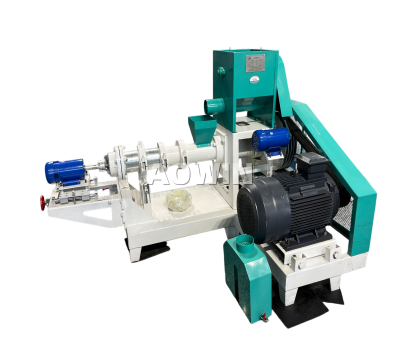
Introduction Of AOWIN Fish Feed Pellet Making Machine
AOWIN fish feed pellet making machine is a professional feed processing machine specifically designed for fish farming, widely used in modern aquaculture.
Floating Fish Feed Pellet Making Machine & Fish Feed Pellet Making Machine For Sale
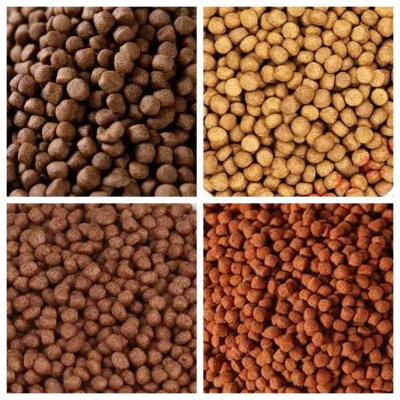
The AOWIN fish feed pellet making machine produces pellets with a compact structure and excellent water stability. These pellets can maintain their shape for a long time without disintegrating, making them easy for fish to eat. This greatly improves feed utilization, reduces farming costs, and is more environmentally friendly.
As an indispensable equipment in modern aquaculture, the fish feed pellet making machine realizes physical transformation of feed form, which reduces waste, promotes the healthy growth of fish, and provides strong technical support for the large-scale and efficient development of the aquaculture industry.
The high temperature generated during the pelleting process of the fish feed pellet making machine can effectively eliminate harmful pathogens in raw materials, improving feed safety. It also prevents fish from selective feeding, ensuring they intake comprehensive and balanced nutrients.
Its core significance lies in solving the drawbacks of powdered feed: when powdered feed is put into water, it dissolves rapidly, which not only causes the loss and waste of nutrients but also pollutes the water quality—problems perfectly addressed by our fish feed pellet making machine.
AOWIN fish feed pellet making machine is the core equipment in aquatic feed processing. Its main function is to compress uniformly mixed powdered raw materials into high-quality granular feed under high temperature and pressure, which is suitable for various aquatic organisms such as fish, shrimp and crab.
Categories Of Fish Feed Pellet Making Machine
There are two core types of fish feed pellet making machine in aquatic feed processing: sinking and floating.
Sinking fish feed pellet making machine mainly produces pellet and sinking fish feed, suitable for middle and lower water layer fish like carp, crucian carp and grass carp, with low investment and production costs.
Floating fish feed pellet making machine mainly produces floating fish feed (also capable of pellet and sinking feed), suitable for surface-feeding fish such as bass, trout, catfish and ornamental fish, usually with higher maintenance costs.
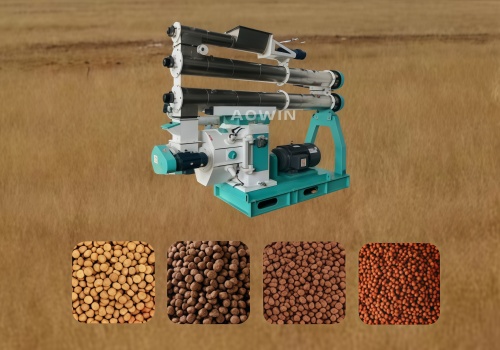
Sinking Fish Feed Pellet Making Machine
AOWIN sinking fish feed pellet making machine compresses pre-prepared powdered feed into sinking pellets through mechanical extrusion and high temperature. It features excellent water stability, allowing the pellets to remain intact for several hours. Suitable for traditional aquaculture, this sinking fish feed pellet making machine boasts high cost-performance ratio, making it an economical and practical choice for aquatic farmers.
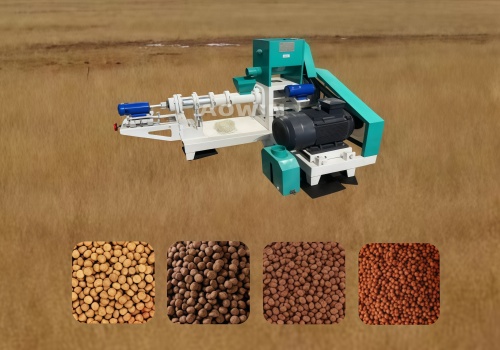
Floating Fish Feed Pellet Making Machine
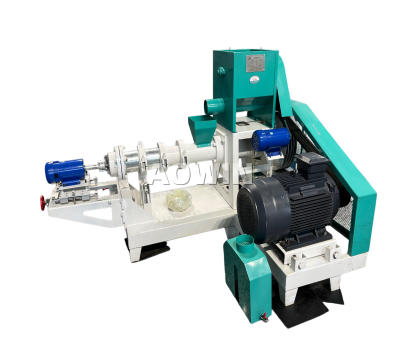
AOWIN floating fish feed pellet making machine is divided into single-screw floating fish feed pellet making machine and twin-screw floating fish feed pellet making machine. Through high temperature and high pressure, it transforms conditioned powdered raw materials into floating pellets with compact structure and balanced nutrition. This floating fish feed pellet making machine has high water stability, enabling pellets to maintain integrity for 10 to dozens of hours with minimal dissolution loss. Suitable for high-density aquaculture, it requires a certain investment but delivers higher feed conversion rates and better breeding results for farmers.
Working Principle of Floating Fish Feed Pellet Making Machine
With the growing popularity of AOWIN floating fish feed pellet making machine, we mainly introduce its working principle here. If you need a detailed introduction to the sinking fish feed pellet making machine, please contact us directly.
Brief Introduction
The floating fish feed pellet making machine creates a high-temperature and high-pressure environment through mechanical energy friction and steam. When the material passes through the extrusion die holes, the sudden pressure drop causes the material to expand rapidly, forming a porous structure. In the fish feed production line, it is also equipped with crushing, mixing, drying, cooling and packaging processes to ensure high-quality floating fish feed.
Conditioning | Mixed powdered raw materials first enter the conditioner of the floating fish feed pellet making machine. High-pressure steam is injected to make the materials absorb moisture evenly, realizing starch gelatinization and protein denaturation, which enhances plasticity for subsequent extrusion forming. |
Extrusion | The conditioned materials are transported to the extrusion chamber of the floating fish feed pellet making machine. Through screw conveying and pressure extrusion, combined with high temperature, the materials are formed into floating pellets. The friction between materials and equipment ensures stable extrusion and meets the requirements of aquaculture feed. |
Forming | The fully matured materials are extruded through the die of the floating fish feed pellet making machine. The sudden pressure drop makes the materials expand rapidly, forming porous floating pellets that can float on water, which is the core principle of floating feed production. |
Core Components Display
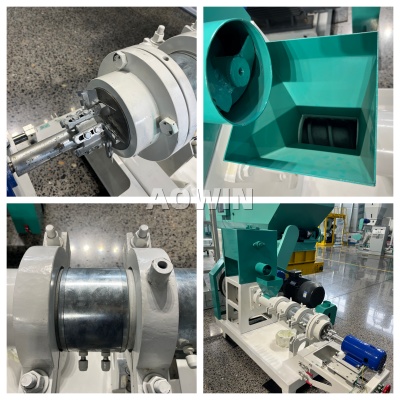
The core components of the AOWIN floating fish feed extruder machine are the foundation for achieving high-temperature and high-pressure material expansion. If you want to learn more about the core components of the sinking fish feed pellet making machine, please contact us directly for a detailed introduction.
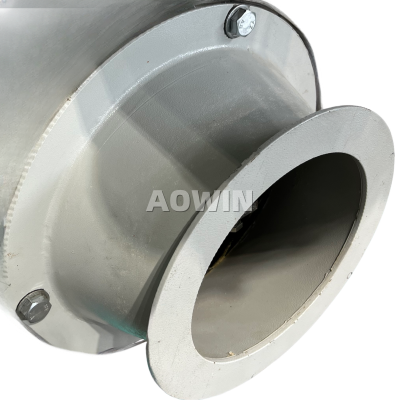
Expansion Chamber
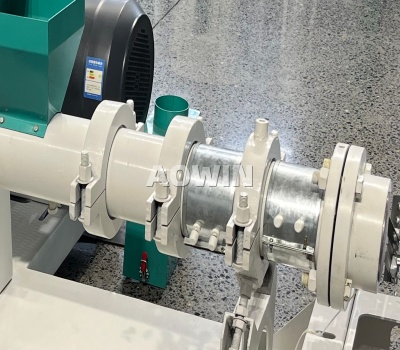
The expansion chamber works with the screw to form a sealed high-pressure vessel, which is the core space for raw materials to be conveyed, compressed, sheared, and cooked. It is usually designed in sections, facilitating adjustments to its length and functional zones as needed, thus ensuring stable extrusion effects and high-quality feed pellet formation.
Screw (Core Component Of Fish Feed Pellet Making Machine)
As a core component of the floating fish feed pellet making machine, the screw is responsible for conveying, squeezing and shearing materials. It generates heat through friction during operation, which helps the raw materials mature. Made of high-strength alloy steel, it has excellent wear resistance and corrosion resistance, ensuring the stable operation of the floating fish feed pellet making machine.
Grinding Tools: 3mm Die
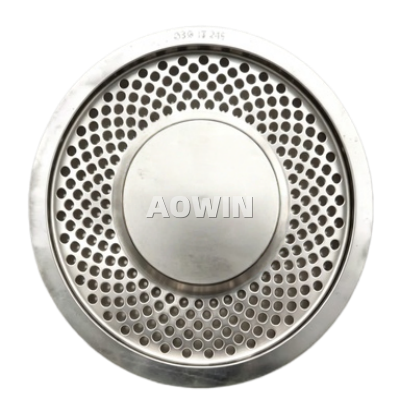
This is a 3mm die, a key component for the floating fish feed pellet making machine. By restricting material flow through its die holes, it creates high pressure inside the cavity, enabling material expansion at the moment of extrusion. The shape and size of the die holes directly determine the diameter and shape of the feed pellets, ensuring consistent quality for aquaculture needs.
Cutting Blades
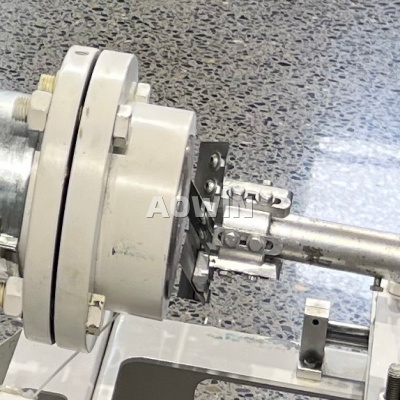
The cutting device of the floating fish feed pellet machine consists of a set of high-speed rotating cutting blades and a drive motor. The cutting speed can be precisely adjusted and controlled to ensure the feed pellets have consistent length and a smooth appearance, meeting the quality requirements of aquatic feed.
Advantages of AOWIN Fish Feed Pellet Making Machine
AOWIN fish feed pellet making machine brings more advantages than traditional feeding methods, which are reflected in aquaculture results, economic benefits and environmental protection, providing comprehensive support for aquatic farmers.
Nutritious and Balanced | According to the species, growth stage and farming mode of different fish, the fish feed pellet making machine scientifically proportions all essential nutrients, including protein, fat, carbohydrates, vitamins and minerals. This avoids nutritional deficiencies in traditional feed and ensures healthy and rapid growt |
High Safety | The high-temperature and high-pressure environment of the fish feed pellet making machine effectively eliminates harmful substances such as pathogenic bacteria and parasites in raw materials, greatly improving feed safety and reducing the risk of disease transmission in aquaculture. |
Wide Range of Applications | AOWIN fish feed pellet making machine can produce both floating and sinking feed. By adjusting formulations and process parameters, it flexibly produces feed with different buoyancy, meeting the feeding needs of various aquatic species such as fish, shrimp and crabs, with a wider application scope. |
Reduction of Water Pollution | The feed produced by the fish feed pellet making machine, especially extruded feed, has excellent water stability and can maintain its shape for a long time. This significantly reduces water pollution caused by uneaten feed and fish feces, maintaining a good aquaculture water environment. |
Case Study: AOWIN Fish Feed Pellet Making Machine
AOWIN fish feed pellet making machine technology is designed to fundamentally solve key issues in aquaculture, such as uneven fish growth and poor water stability of feed, helping farmers improve breeding efficiency and product quality.
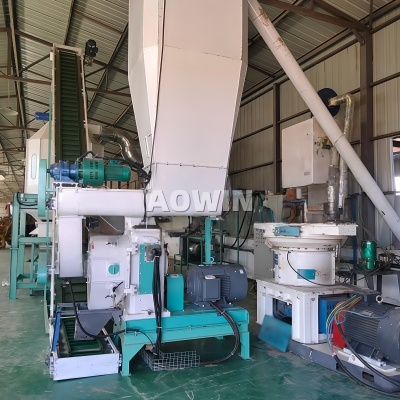
1-1.5 T/H Fish Feed Pellet Making Machine
Country: Nigeria
Fish Species: Tilapia, Catfish
Customer Requirements: In line with local aquaculture conditions in Nigeria, the customer has a limited budget and needs a cost-effective, basic extrusion machine suitable for their farming scale. Local Nigerian farmers usually observe fish feeding at the water surface to manage feeding amount and minimize feed waste, so the machine must produce high-quality floating feed. It needs to process common local ingredient formulations, mainly composed of soybean meal, rice bran, corn and local agricultural by-products, without requiring extremely high fat content, which is consistent with the feeding habits of local tilapia and catfish and the local raw material supply.
Selected Machine: Single-Screw Floating Fish Feed Pellet Making Machine
3-4 T/H Fish Feed Pellet Making Machine
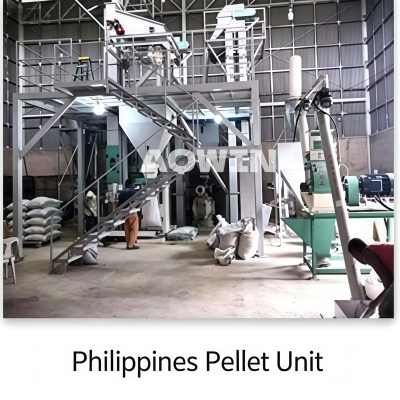
Country: Philippines
Fish Species: Tilapia
Customer Requirements: Aligned with local aquaculture conditions in the Philippines, the customer requires a 3-4 T/H floating fish feed pellet machine that can efficiently process locally abundant raw materials, including rice bran, corn by-products, and sweet potato residues. The equipment must feature high stability and durability to adapt to the Philippines' tropical climate with high temperature and humidity. It should also ensure stable performance under occasional power fluctuations to meet continuous production needs, helping local fish farmers reduce costs and improve economic benefits.
Selected Machine: Twin-Screw Floating Fish Feed Pellet Making Machine
5-6 T/H Fish Feed Pellet Making Machine
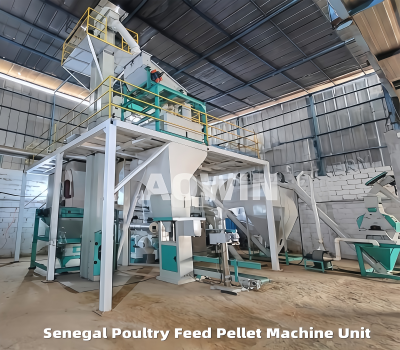
Country: Senegal
Fish Species: Tilapia
Customer Requirements: In line with local aquaculture conditions in Senegal, the customer has high requirements for the stability and hardness of feed pellets in water. As tilapia is the main farmed fish in Senegal and has a large feed intake, excellent water stability and appropriate hardness of pellets can effectively reduce feed dissolution and water pollution, which is crucial for maintaining the local aquaculture water environment. The local feed formula mainly contains a high proportion of locally available fish meal and soybean meal, so the equipment is required to efficiently produce dense pellets with high protein and appropriate oil content, which is consistent with the nutritional needs of local tilapia and the local raw material supply, and can meet the large-scale continuous production demand of the customer.
Selected Machine: Twin-Screw Floating Fish Feed Pellet Making Machine
Other Major Equipment In The Complete Fish Feed Pellet Production Line
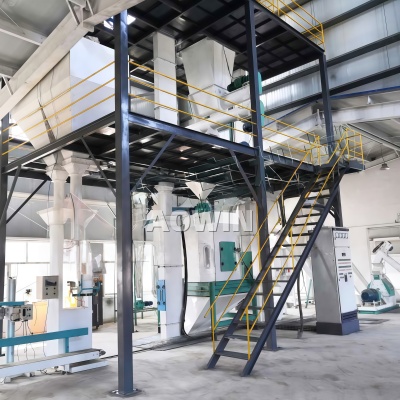
A complete modern fish feed pellet production line is a complex system, covering the entire process from raw material reception to finished product packaging. Its core goal is to efficiently produce high-quality feed that meets the nutritional needs of fish and features excellent water stability.
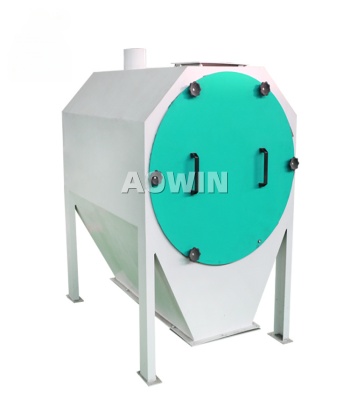
Primary cleaning screenIt is mainly used to remove large impurities such as hemp ropes, stones, and paper scraps from raw materials. | 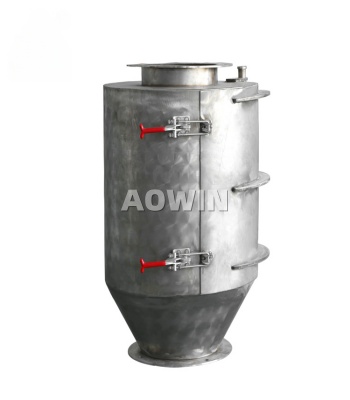
Magnetic separatorMagnetic separator: It removes metallic impurities (e.g., nails, screws, metal fragments) from raw materials to protect subsequent equipment and ensure production stability and feed purity
|
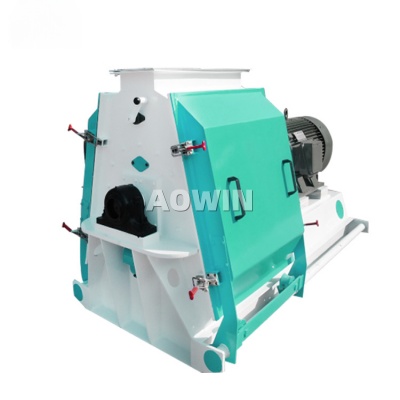
Feed Crusher The water-drop hammer mill is a commonly used feed crusher in aquatic feed production, with high efficiency and uniform particle size. For fish feed, finer raw material particle size is required to improve feed digestibility, pellet formation quality and fish nutritional absorption. | 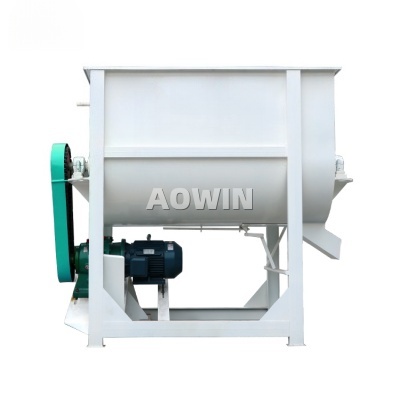 Feed MixerTwin-shaft paddle mixers are widely used in fish feed production. They can uniformly blend various raw ingredients in a short time, ensuring that every feed pellet has consistent nutritional content, which lays a solid foundation for producing high-quality aquatic feed. |
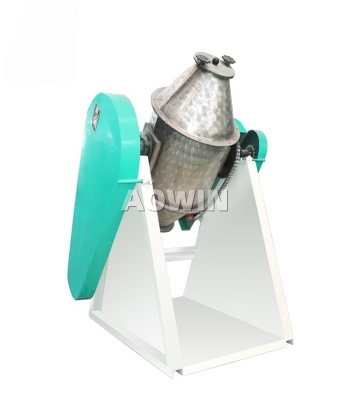
Feed DryerTo minimize pellet breakage, multi-layer mesh belt dryers are commonly used after granulation. They use hot air to reduce the moisture content of pellets to around 13%, ensuring feed stability and long shelf life.
| 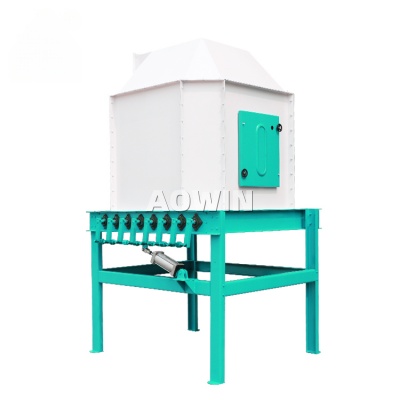
Cooling MachineDue to the high water resistance requirement of aquatic feed, cooling should not be too rapid. Counter-flow coolers are usually used to reduce pellet temperature to near room temperature with ambient air, fixing their structure and preventing mold growth.
|
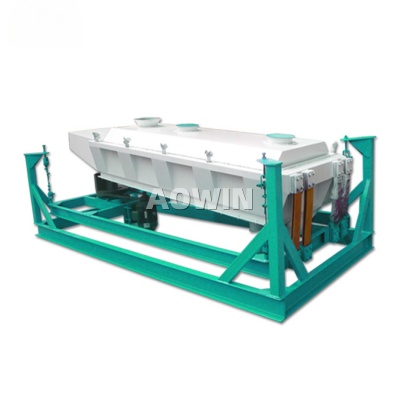
Vibrating Screen ClassifierThe vibrating screen classifier is used to screen cooled feed pellets. It utilizes vibration to classify mixtures of different particle sizes, separating qualified pellets from powder and oversized particles to ensure feed quality.
| 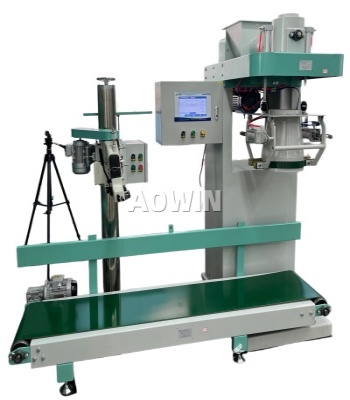
Packing - Automatic Packing System
Customers can choose packing methods as needed. Most users prefer automatic packing machines for bagging fish feed pellets
|
Why Choose AOWIN Machinery
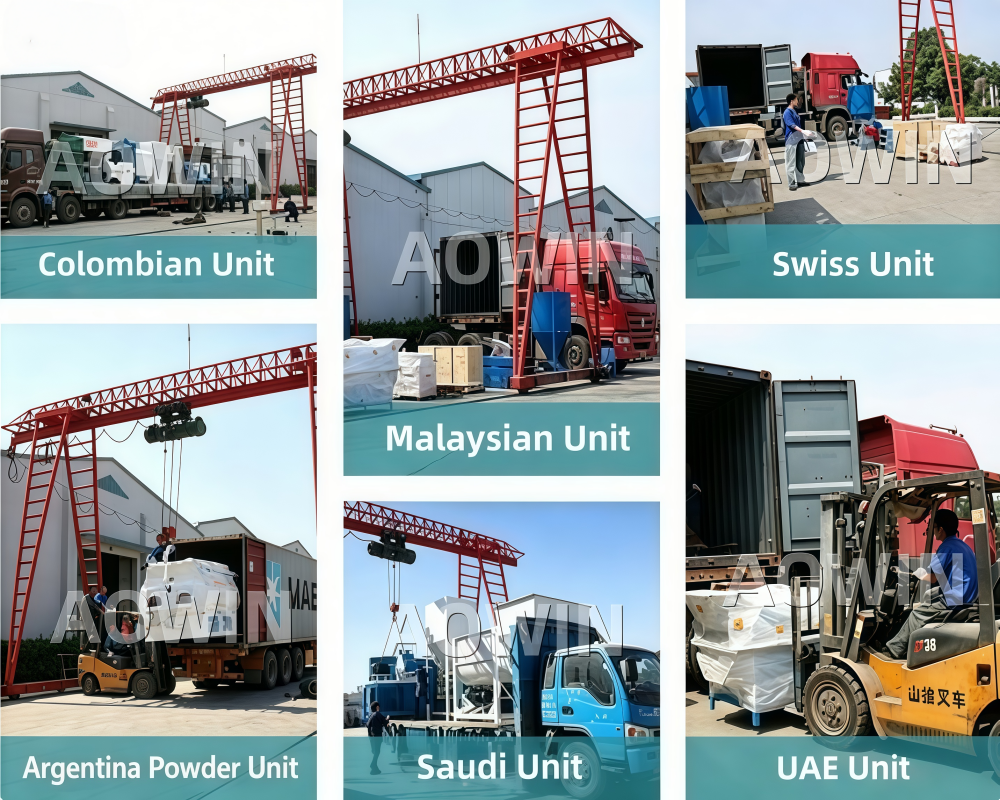
AOWIN Machinery not only provides you with advanced, high-performance equipment but also strives to be your trusted long-term partner. With rich industry experience, professional technical expertise and sincere one-stop service, we are committed to creating tangible value for your feed production business. Let’s join hands to achieve mutual development and win-win success in the future.