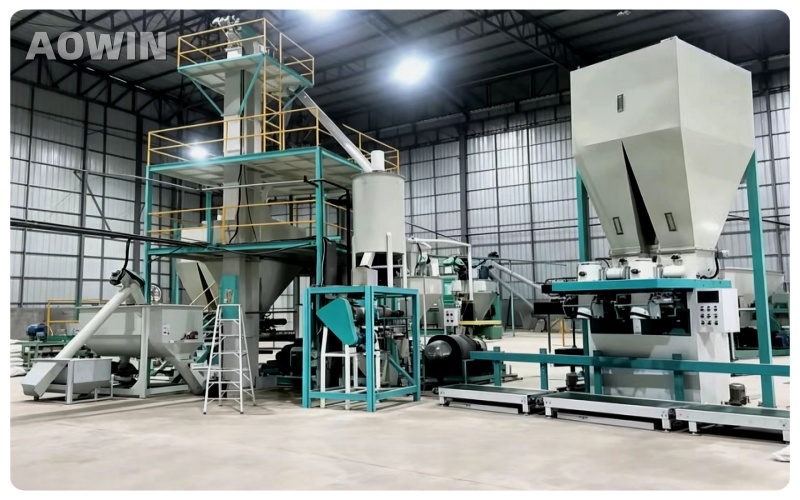
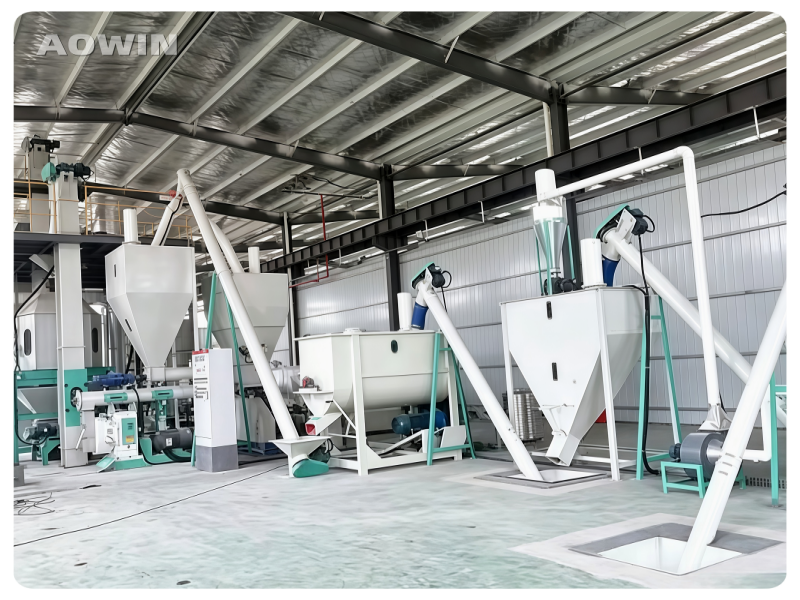
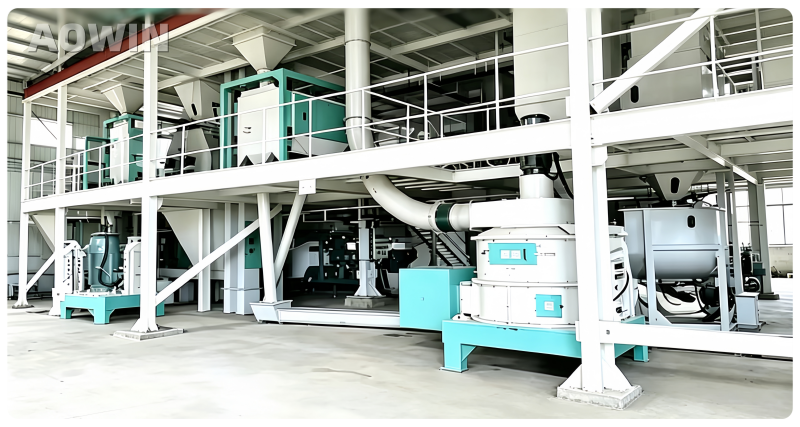
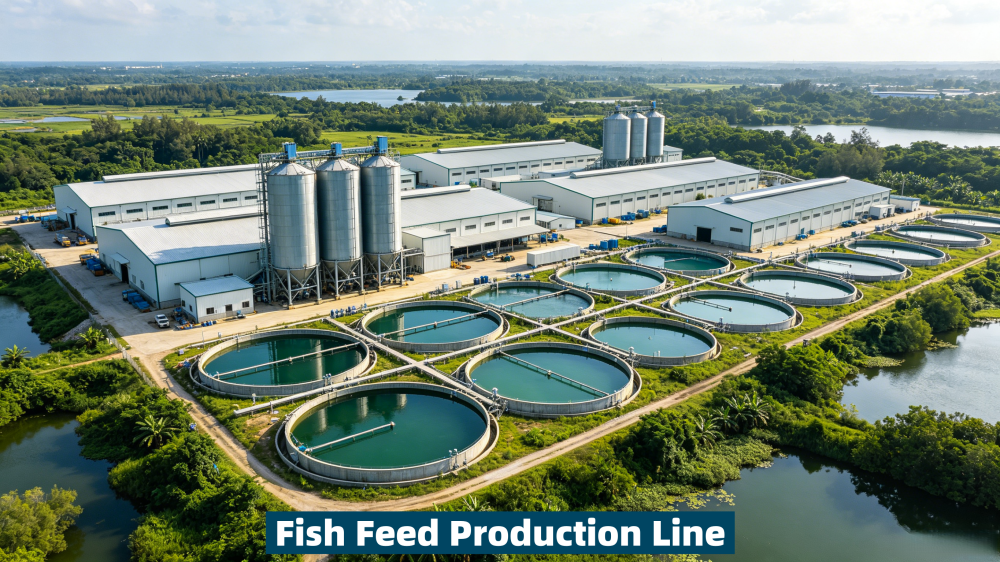
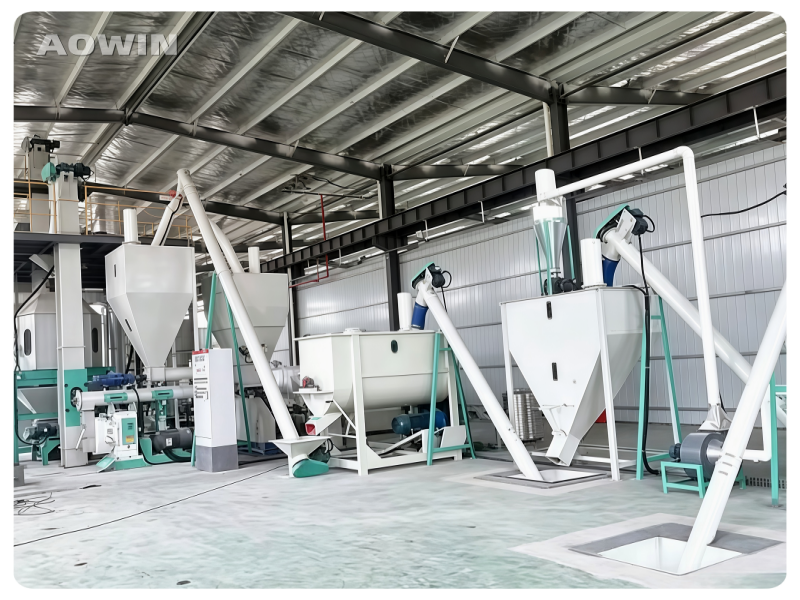
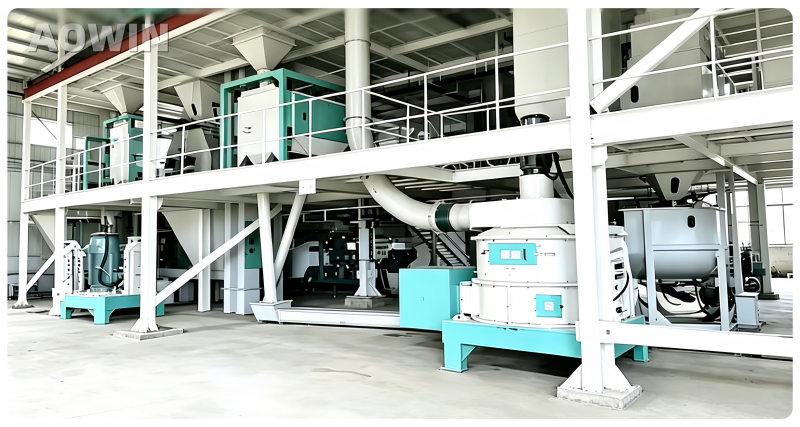
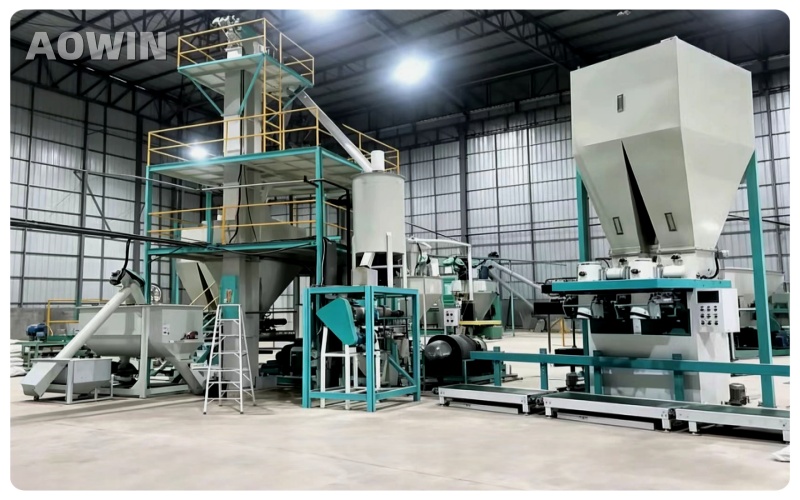
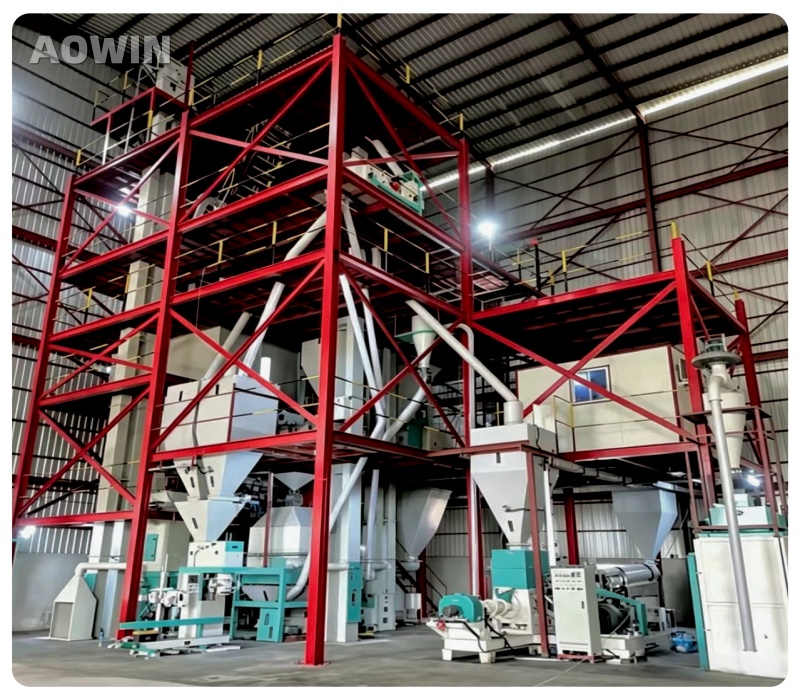
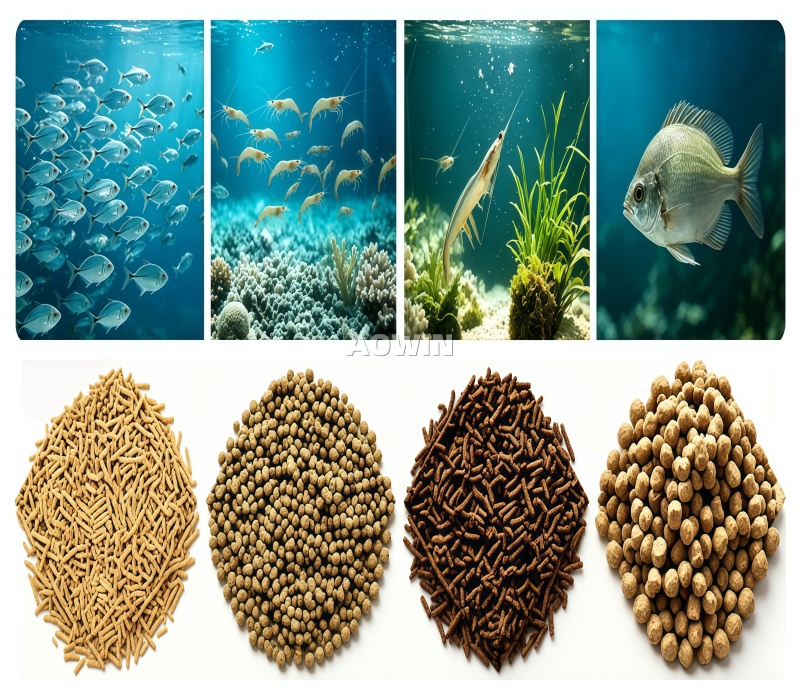
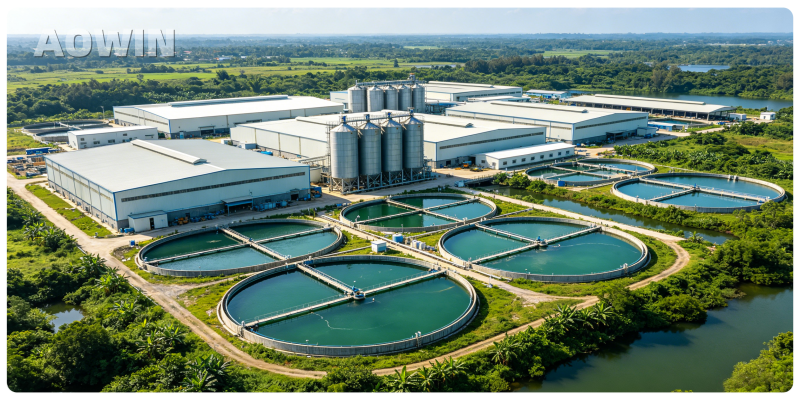
AOWIN fish feed production line is engineered to deliver flexible production capacities from 0.2 T/H up to 20 T/H and higher. This professional processing line manufactures premium floating and sinking fish feed with diverse formula configurations to meet varied aquaculture farming demands. Besides standard equipment, we provide tailored customized solutions and one-stop turnkey projects for global clients across the aquafeed industry.
AOWIN provides high-efficiency and energy-saving modern fish feed production equipment, capable of producing high-quality fish feed pellets with diameters ranging from 0.3 to 12 mm. By configuring different production equipment combinations, this solution can adapt to a wide range of feed formulations, meeting the feeding needs of different fish species. Notably, the floating extruded feed can stay afloat on the water surface for at least 12 hours without disintegration, reducing feed waste and improving feeding efficiency.
This modern fish feed production line solution covers a full range of production capacity configurations, catering to the needs of small-scale fish farms, medium-sized breeding bases and large-scale commercial fish feed plants. Each capacity option is equipped with multiple configuration packages, including basic, standard and high-end options, to match different budget and production requirements. Through scientific optimal configuration and efficient continuous production, we help global clients maximize production efficiency and achieve a high return on investment (ROI).
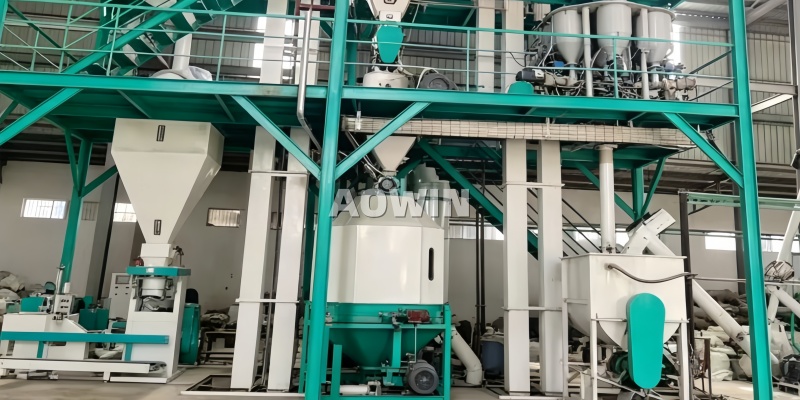
The basic process flow of AOWIN fish feed production line includes cleaning, crushing, pelletizing or extrusion, drying, oil spraying, cooling, screening, and packaging. We can customize process stages according to your specific production requirements, ensuring the process is perfectly aligned with your feed production.
Key pelletizing equipment of the production line includes fish feed pellet making machine, single-screw extrusion machine, and twin-screw extrusion machine. These equipment are fully adaptable to various production scales (from small to large) and different feed formulations, ensuring stable and high-quality pellet production.
This solution is capable of producing a variety of floating and sinking fish feeds, which can fully meet the nutritional needs of different fish species such as tilapia, catfish, eel, carp, trout, salmon, flounder, and koi.
AOWIN fish feed production line is a comprehensive industrial-grade solution. Featuring a scientifically designed process flow, it enables end-to-end production from raw material processing to final feed packaging. Additionally, we equip this production line with a PLC control system, ensuring efficient and automated production operations with stable performance.
| Raw Materials Crushing | |
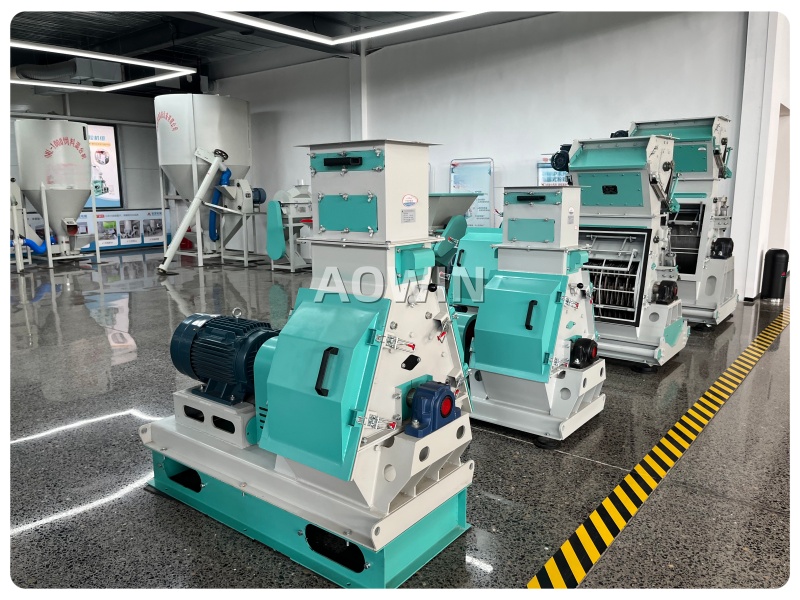
| Purpose | The raw materials crushing stage breaks raw materials into smaller pieces. The primary crushing is designed to reduce the particle size difference of raw materials, making it convenient for the subsequent production processes. Given that aquatic animals have low feed intake, short digestive tracts and poor digestive capacity, aquatic feed requires extremely fine granularity. Therefore, a secondary crushing process is usually needed to meet this strict requirement. |
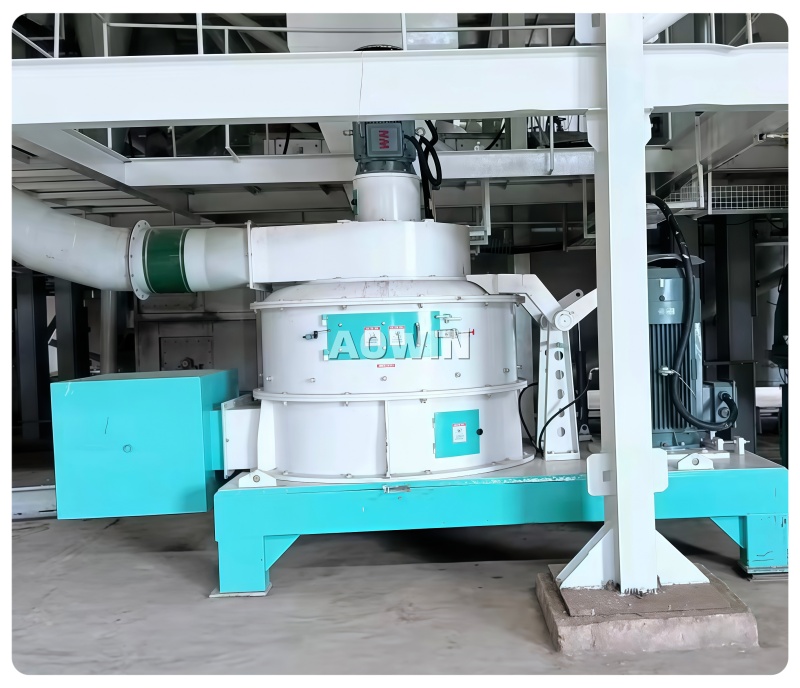
| Main Equipment | Feed Raw Material Hammer Mill |
| Raw Materials Batching and Mixing | |
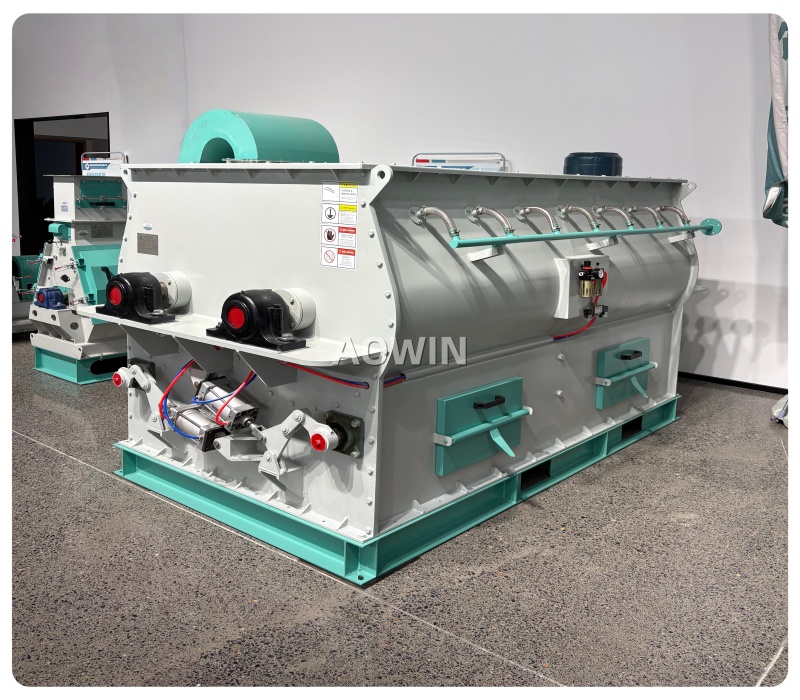
| Purpose | Raw materials batching is carried out according to the nutritional needs of different aquatic animals, with accurate weighing of various ingredients to ensure the rationality of the feed formula. The mixing system mixes various materials under external force, making the raw materials evenly distributed, so that the finished feed pellets contain balanced nutrients to meet the growth needs of aquatic animals. |
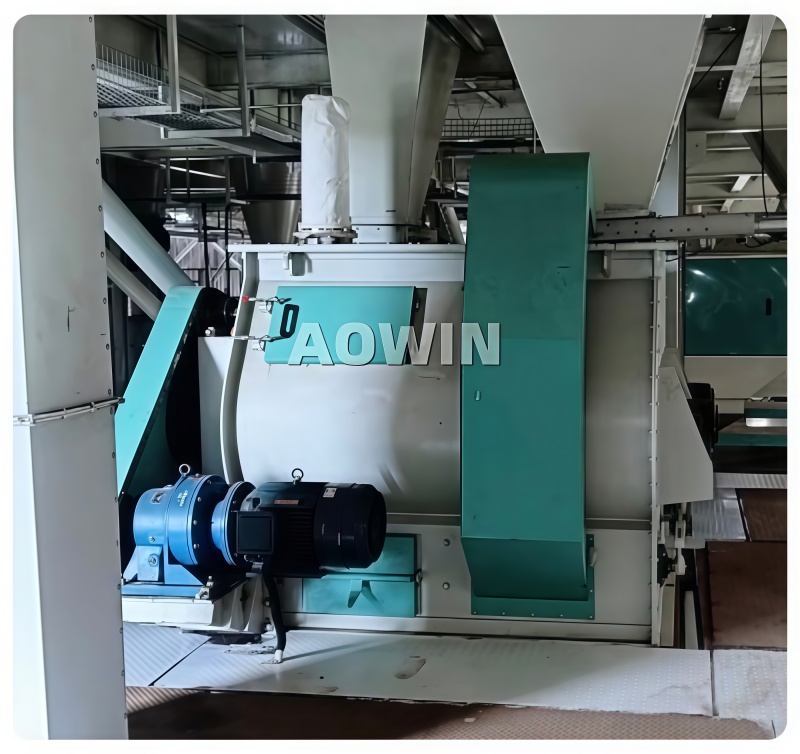
| Main Equipment | Single-Shaft Paddle Mixer, Double-Shaft Paddle Mixer |

| Feed Formulation | |
| Purpose | AOWIN fish feed pellet machines manufacture sinking aquatic feed via high‑temperature conditioning and compression. Extruders produce high‑grade floating and sinking feed tailored to fish feeding behaviors. The high‑heat extrusion process eliminates harmful pathogens and viruses, lowering toxin content in raw feed materials. |
| Main Equipment | Fish Feed Pellet Machine, Feed Extruder |

| Feed Pellet Drying | |
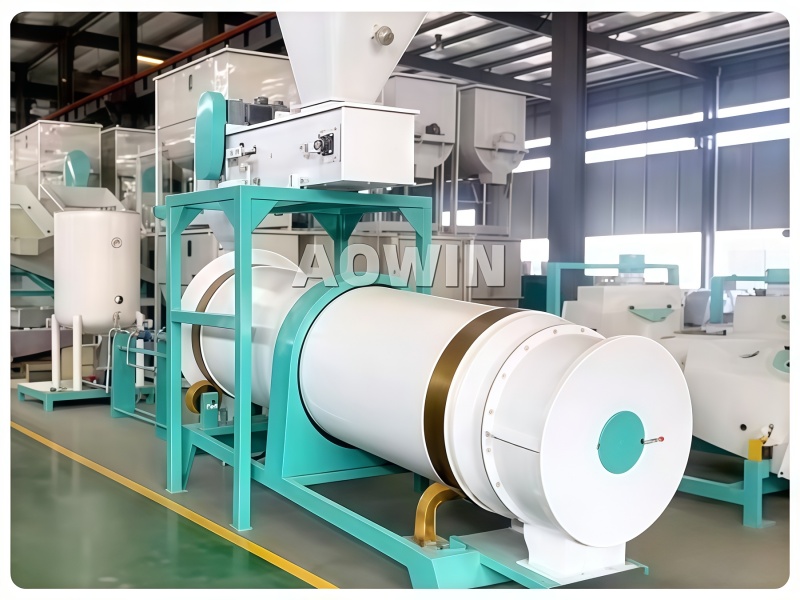
| Purpose | After extrusion, materials form soft wet pellets with 25%‑30% moisture content. To avoid pellet breakage, wet pellets are transported via pneumatic conveying into the dryer, reducing moisture to around 13%. Dried feed pellets feature even moisture distribution and stable physical structure. |
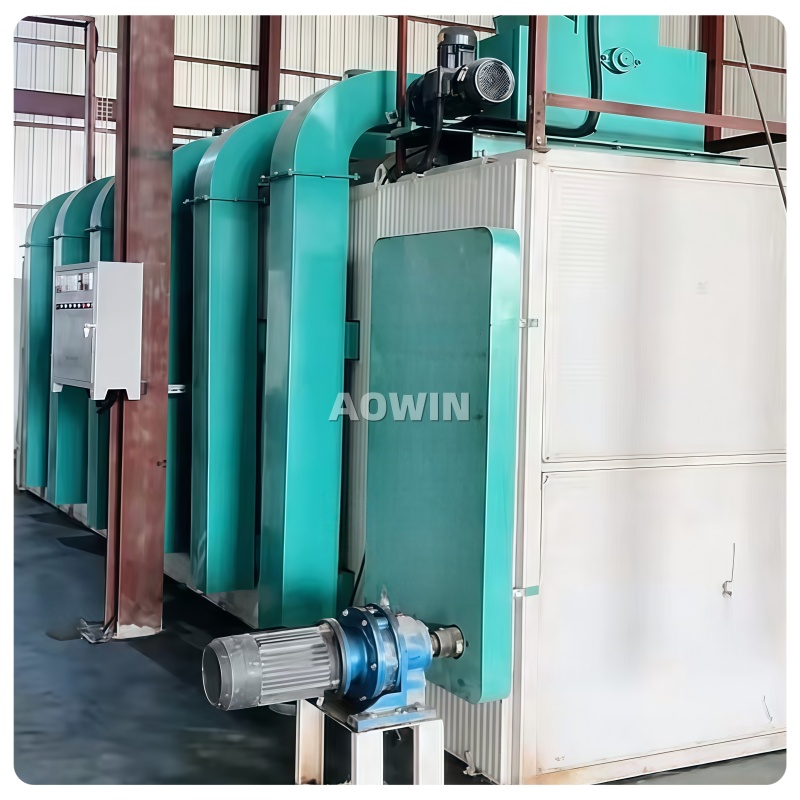
| Main Equipment | Mesh Belt Dryer |

| Oil Spraying | |
| Purpose | After drying, pellets go into the oil‑spraying system. AOWIN equipment coats feed pellets with oil, vitamins and flavor enhancers. This meets aquatic animals’ energy requirements, protects heat‑sensitive nutrients, improves feed palatability and lowers powder residue. |
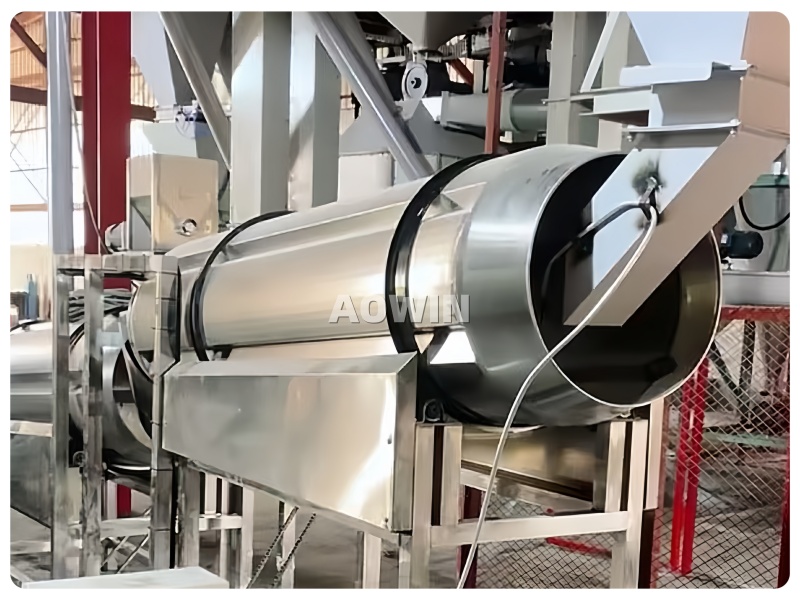
| Main Equipment | Oil Spraying Machine |

Feed Pellet Cooling | |
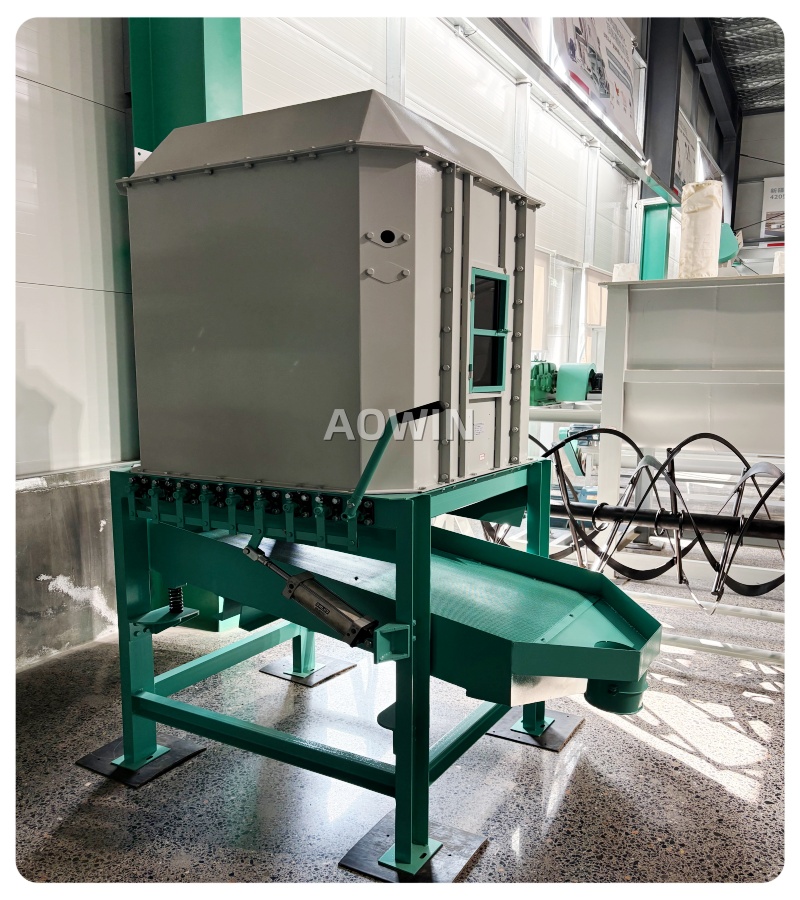
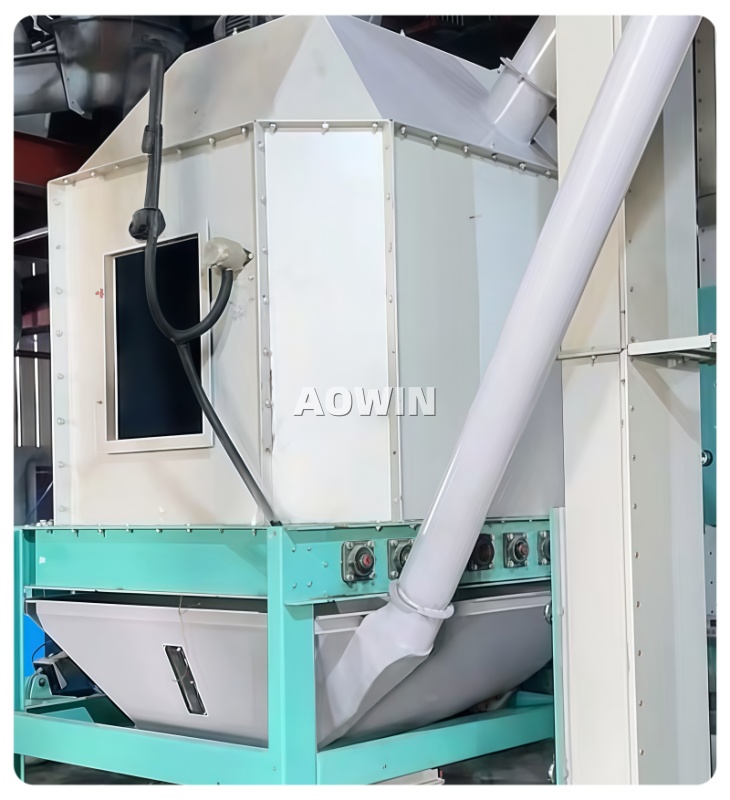
| Purpose | After the oil spraying process, feed pellets reach a high temperature and become prone to breakage. To avoid losses during this stage, the pellets must be cooled. AOWIN adopts a counterflow cooler for this process, ensuring the temperature of cooled pellets is no more than 3-5°C higher than the room temperature. |
| Main Equipment | Pellet Cooling Machine |

Feed Pellet Screening | |
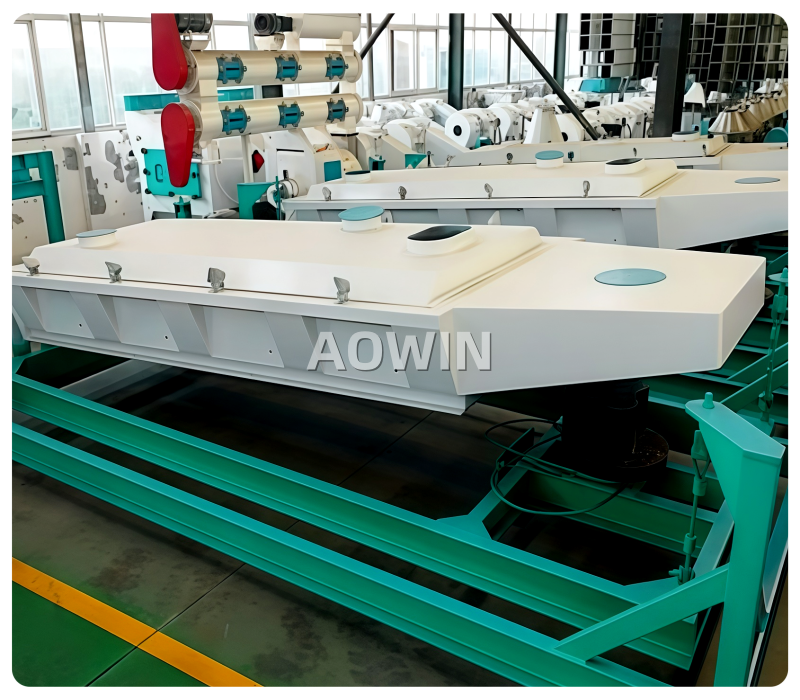
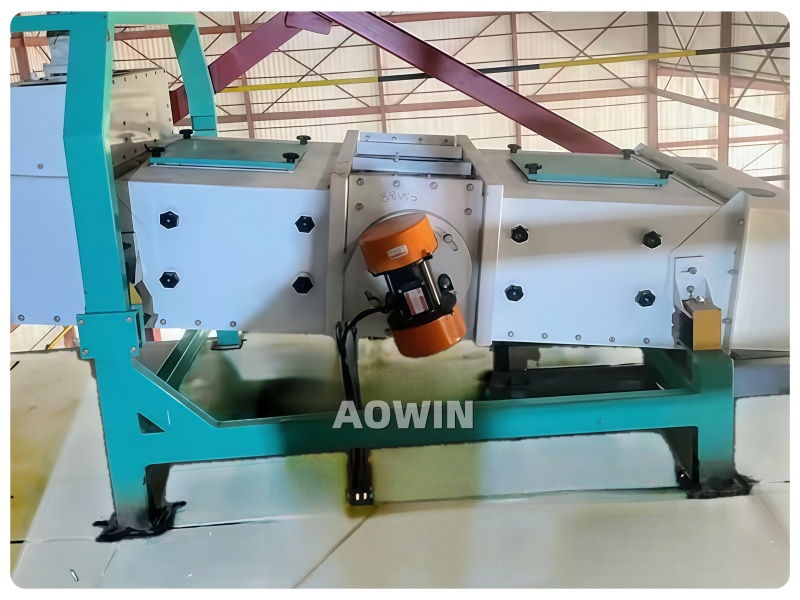
| Purpose | AOWIN’s feed pellet screening section can be equipped with various screening devices to produce feed products of multiple specifications. Uniform pellet sizes facilitate fish feeding and minimize feed waste. Qualified pellets proceed directly to the packaging system, while unqualified ones are ground or re-pelleted for reuse. |
| Main Equipment | Vibrating Screen, Rotary Classifier |

Feed Packaging | |
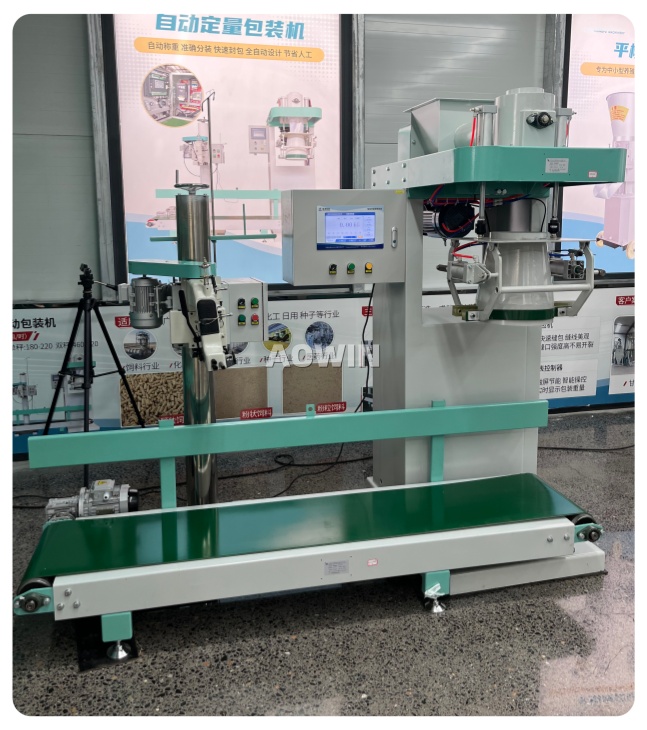
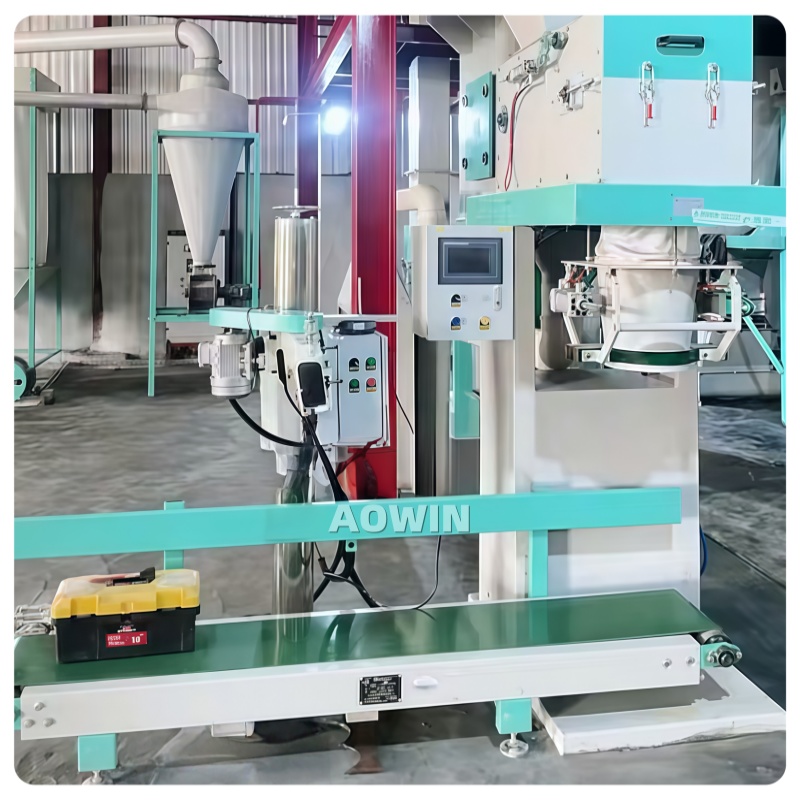
| Purpose | After screening, the pellet feed needs to be packaged. AOWIN provides automated feed weighing and packaging systems, which ensure consistent pellet packaging specifications. With a high level of automation, this section reduces packaging losses and saves labor costs. This packaging method is optional for your specific needs |
| Main Equipment | Automatic Bagging Scale |
Capacity Options for Fish Feed Production Line
AOWIN’s fish feed production line solution offers a variety of capacity options, ranging from 0.2 to 10 T/H and above. Below are recommendations for common capacity configurations, which are suitable for feed production scenarios of various scales. We can also provide customized capacity solutions tailored to your specific production needs.
| fish Feed Production Solution | |||
| 0.2-0.5 T/H | 0.5-1.0 T/H | 1.0-2.0 T/H | 2.0-3.0 T/H |
| 3.0-4.0T/H | 5.0-6.0 T/H | 8.0-10.0 T/H | - |
In AOWIN fish feed production lines, the pelletizing section is the core process. Two main machines are adopted for fish feed pellet production: the fish feed pellet mill and the fish feed extruder. They work with different working principles and apply to various production scenarios.

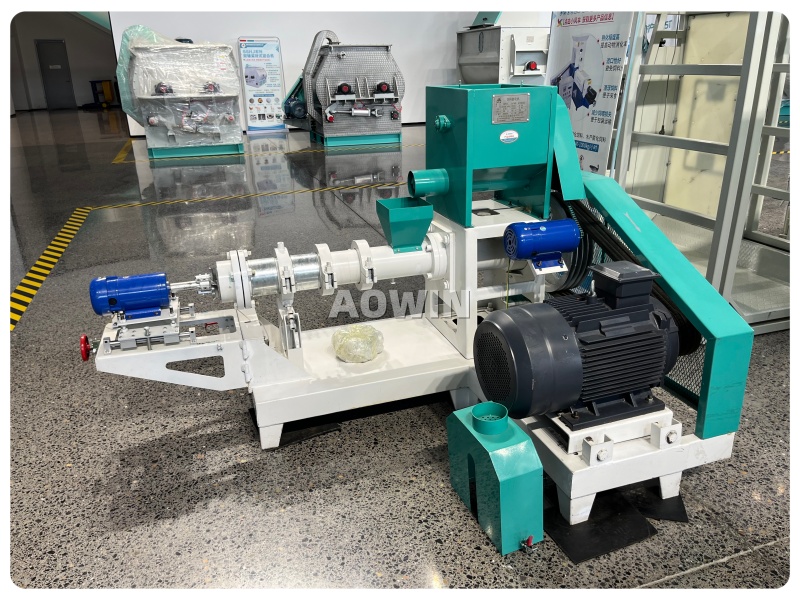
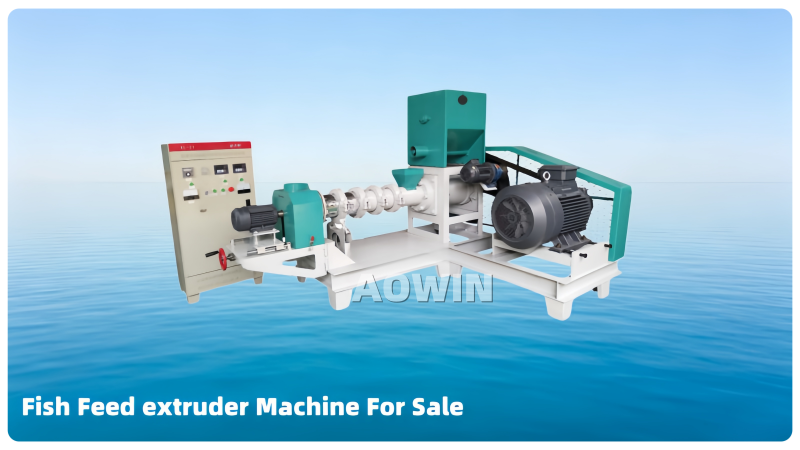
AOWIN Fish Feed Extruder Machine For Sale
Applications: Fish feed plants, high-end export feed brands
AOWIN fish feed extruder machines, available in twin-screw and single-screw models, are mainly used for producing high-quality aquatic feed pellets and pet food pellets, including the processing of viscous feed formulations. They can produce aquatic feeds with various particle sizes and shapes, which maintain long-term stability in water, effectively reducing the loss of feed nutrition.

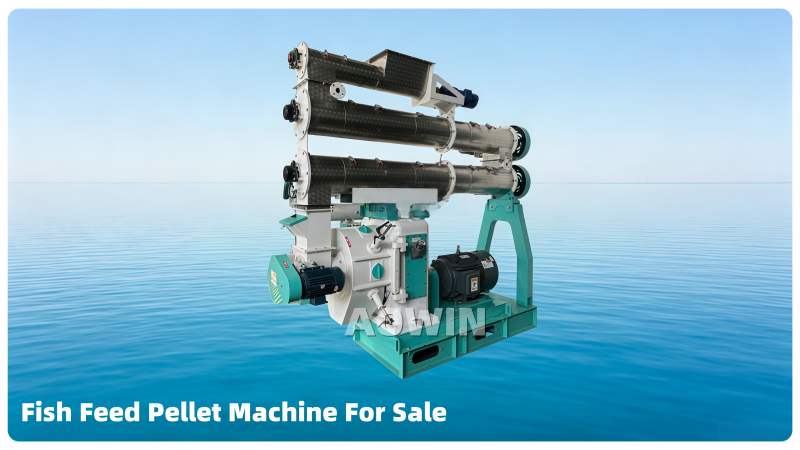
AOWIN Fish Feed Pellet Machine For Sale
Applications: Small to medium-sized fish farms, aquaculture farms
AOWIN fish feed pellet machine is a professional feed processing equipment. It takes corn, soybean meal, straw, grass, rice husk and other raw materials, and directly presses them into 2-12mm pellets after crushing the raw materials. After being processed into feed pellets, the nutrition of raw materials is well retained; the surface of the pellets is smoother, and the hardness is more suitable for the digestion and absorption of aquatic animals, effectively improving feed utilization.
Other Fish Feed Equipment
This fish feed production line is composed of high-efficiency fish feed pellet machines and supporting auxiliary systems. We offer a wide range of fish feed manufacturing machine models, all engineered to ensure the production of high-quality fish feed. The following are the commonly used models in this solution; besides these, we also provide other similar machines suitable for various production scenarios.

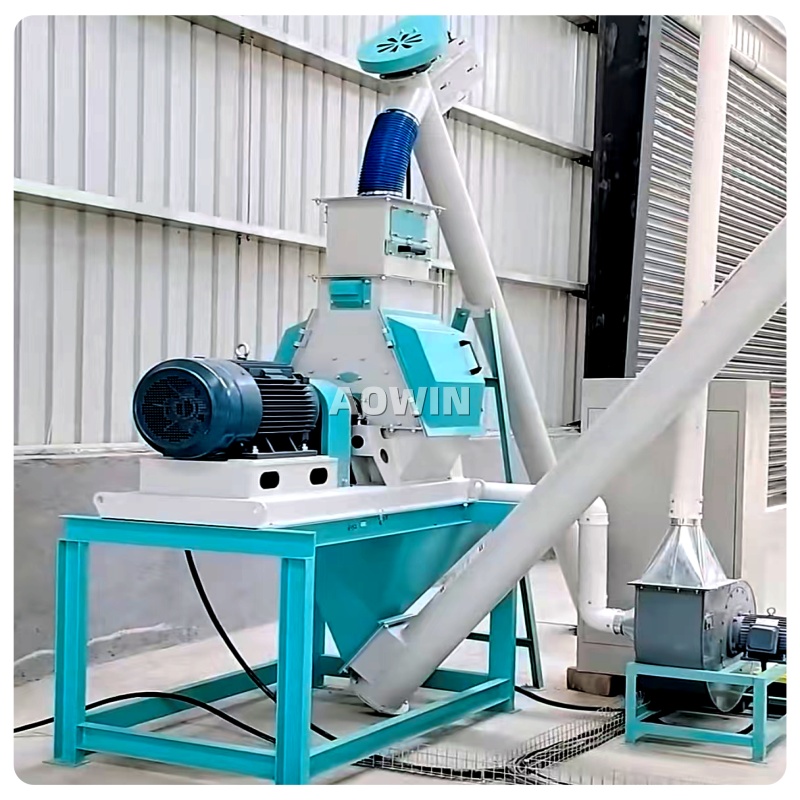
Feed Raw Materials Crusher
The water-drop hammer mill stands out for its high crushing efficiency and uniform particle size output. Fine and consistent raw material particles are essential to boost feed digestibility and improve pellet forming quality, delivering higher-grade finished aquatic feed.


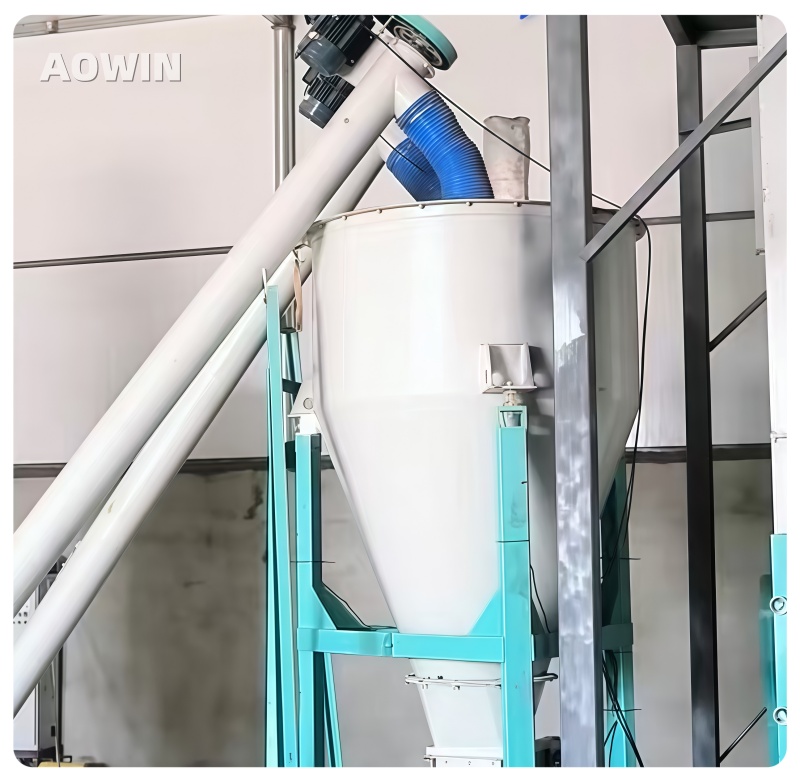
Twin-shaft paddle mixers are commonly used for feed raw material mixing. They are capable of uniformly blending various feed ingredients in a short time, ensuring consistent nutritional content in every feed pellet and laying a solid foundation for high-quality feed production.

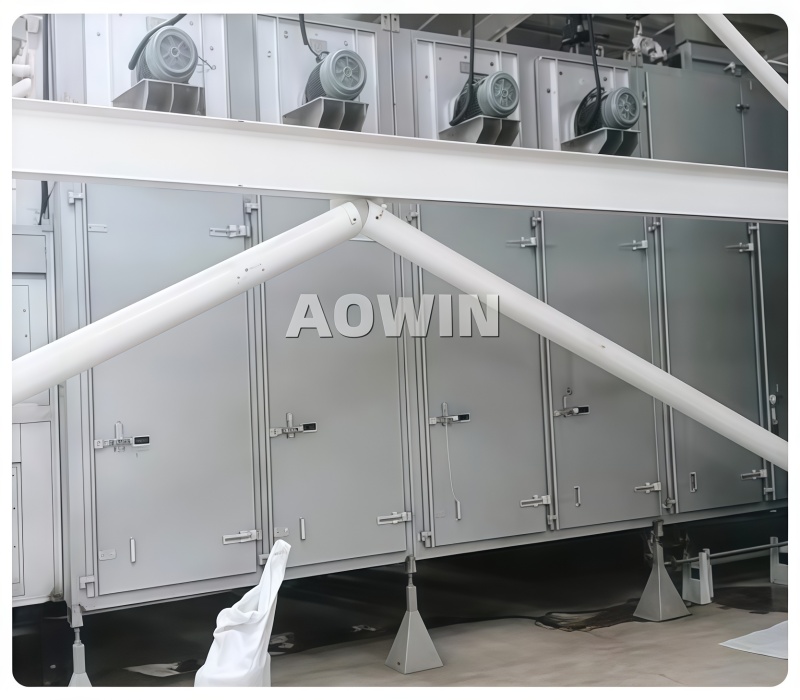
This mesh belt dryer is specifically designed for drying animal feed and aquaculture feed pellets. It adopts a hot-air circulation system to gently dry the feed pellets, effectively reducing their moisture content to 2–10% while preserving the nutritional value of the feed and ensuring stable pellet quality.


Feed Pellet Oil Sprayer
The feed pellet oil sprayer evenly sprays nutritional supplements such as fish oil, phospholipids, and vitamin solutions on the surface of feed pellets. This process significantly increases the feed’s energy content and palatability, effectively enhancing feed attractiveness and promoting nutrient absorption in aquatic animals.


Vibrating Screen Classifier

Automatic Packaging System
The fish feed production line solution boasts a scientifically designed process flow and a highly efficient, energy-saving production configuration. This not only significantly boosts production output and operational efficiency but also brings greater convenience to your daily operation and maintenance, effectively reducing overall production costs while ensuring stable product quality.
Meeting Nutritional Needs | This fish meal production line is highly adaptable to a wide range of raw materials, capable of processing various feed ingredients to achieve optimal feed formulations. It produces nutritionally balanced fish feed that meets the nutritional needs of fish throughout their entire life cycle, enabling precise feeding. |
Improving Absorption Rates | This process involves steam pretreatment of the feed to increase the degree of starch gelatinization and denature proteins, thereby enhancing the digestibility and absorption of the feed. Additionally, proper pretreatment facilitates pelleting and extrusion while maintaining pellet integrity, reducing feed loss and improving utilization efficiency. |
High Level of Automation | We provide automated fish feed processing line solutions. The entire process, from raw material processing to finished product packaging, is fully automated and only requires 1-2 operators. This significantly reduces labor costs and boosts productivity. |
Reduction of Water Pollution | Non-disintegrating feed reduces organic pollution in water and makes it easier to control harmful indicators such as ammonia nitrogen and nitrite. This provides fish with a stable, clean growth environment and fundamentally prevents the occurrence of diseases. |
Reduction of Feed Waste | This production system can produce fish feed in various sizes. The feed, with appropriate size and improved texture, is easier for fish to consume. With a water resistance of up to 12 hours, it minimizes waste during feeding, reducing feed loss by 20% to 30%. |
Balanced Nutrition | Many vitamins, enzymes, and probiotics are thermally unstable. Adding these additives to the mixer will result in significant loss after conditioning, granulation, and extrusion expansion. Spraying them directly on the surface of pellet feed after granulation and expansion greatly reduces the loss of these additives. |
High Stability in Water | This is the most important criterion for shrimp feed. The solution adopts processes such as grinding and high-temperature tempering to fully gelatinize starch, forming a natural binder. This allows feed pellets to maintain their shape in water for 12 hours without disintegrating, preventing nutrient loss. |
Efficient Mass Production | Compared to traditional production methods, this production system can increase unit output by 15%. It features higher raw material utilization, reducing waste and improving production efficiency. Especially the highly automated production lines can maintain stable output for a long time. |

The client is an aquaculture farm in Thailand that needs to produce floating feed for tilapia and pangasius (catfish). The project is equipped with a single screw fish extruder machine, along with a crusher, mixer, and other floating fish feed equipment. This solution features a compact design and high production efficiency, effectively improving the farm’s breeding outcomes and meeting the local aquaculture demand.

This project serves a fish feed plant in Nigeria for the production of warm-water fish feed pellets, including catfish and tilapia feed. The configuration includes a crusher, mixer, extruder, dryer, and other fish feed manufacturing equipment. The system is well-suited to Nigeria’s local production environment, operating efficiently and smoothly to meet the growing demand of the local aquaculture industry.


1–2 T/H Compound Fish Feed Production Plant in Africa
This is a customized turnkey solution adaptable to diversified feed formulas. The customer has purchased three complete production lines, including powder feed line, pellet feed line and extruded floating feed line. Equipped with both pellet press and twin-screw extruder, the line can produce various compound aquatic feed and livestock feed stably. With stable automatic operation, the whole system ensures uniform quality of finished products.
Due to the small intestines and stomachs of fish and their poor digestive and absorptive capacity, the processing technology of aquatic feed is much more demanding than that of livestock and poultry feed. To produce high-quality aquatic feed, we must rely on scientific and reasonable processing technology, combined with advanced, reliable and stable processing machinery. In this regard, the selection of processing equipment is particularly critical.
| 1 | Precision Processing of Feed | Due to aquatic animals’ short digestive tracts, aquatic feed requires smaller crushing particle size than livestock feed (e.g., eel/shrimp feed needs 80-120 mesh). Our ultra-fine grinders meet this requirement to improve digestibility. |
| 2 | High-Protein Feed | Livestock feed protein content is usually below 20%, while aquaculture feed is 30%-40%. Our equipment ensures uniform mixing and stable pelleting to maintain nutritional balance and high protein content. |
| 3 | Water-Resistant Feed | Aquatic feed needs good water resistance to avoid disintegration. Our equipment uses scientific tempering and pelleting processes to ensure high water resistance and nutrient retention. |
| 4 | Production Cleanliness | Feed purity is crucial to prevent water pollution and fish diseases. Our production line has a negative-pressure dust collection system and high-temperature sterilization to ensure feed safety. |
| 5 | Cost Savings | Our high-efficiency, energy-saving production lines and automated equipment reduce feed loss and lower unit energy consumption by 20%, cutting overall production costs. |
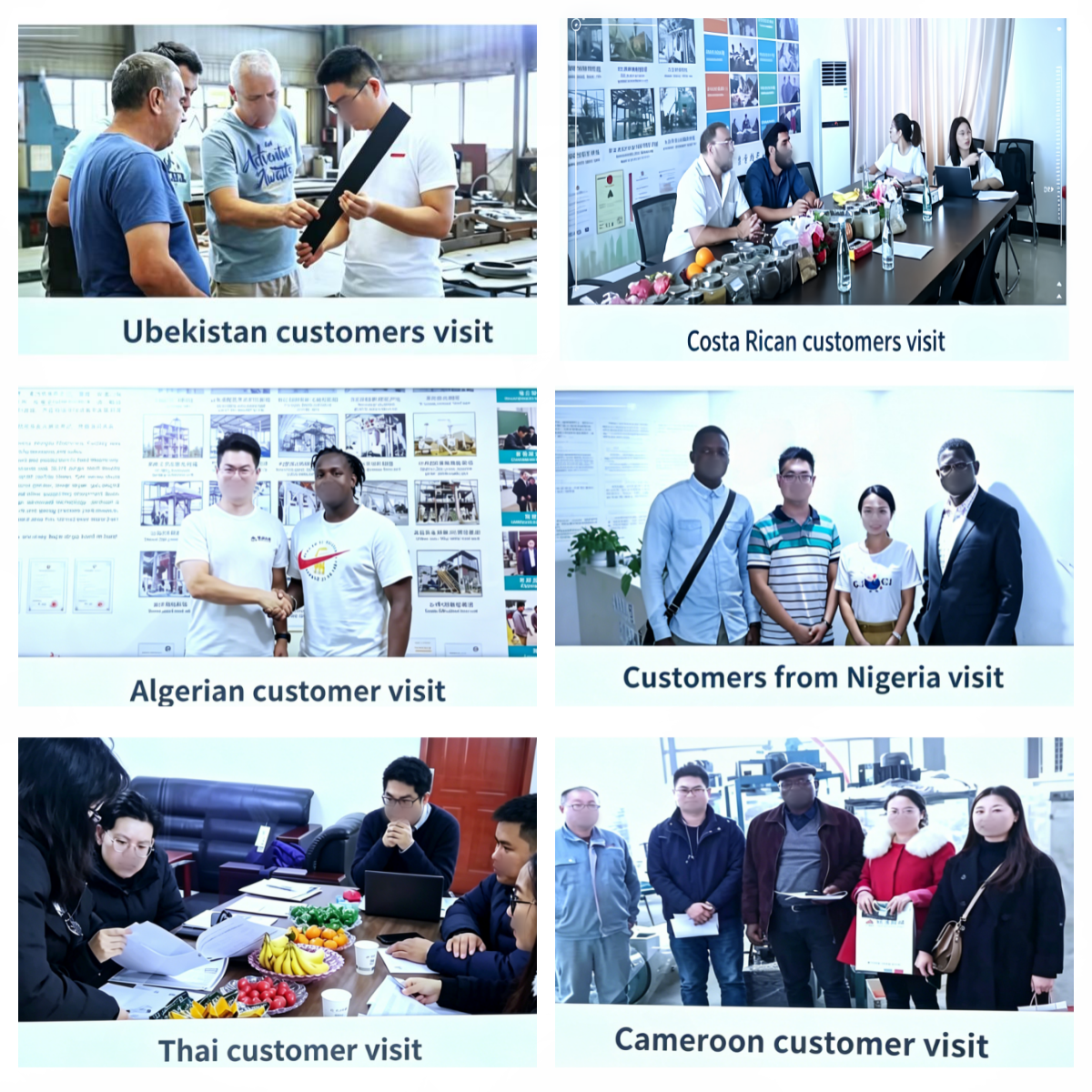
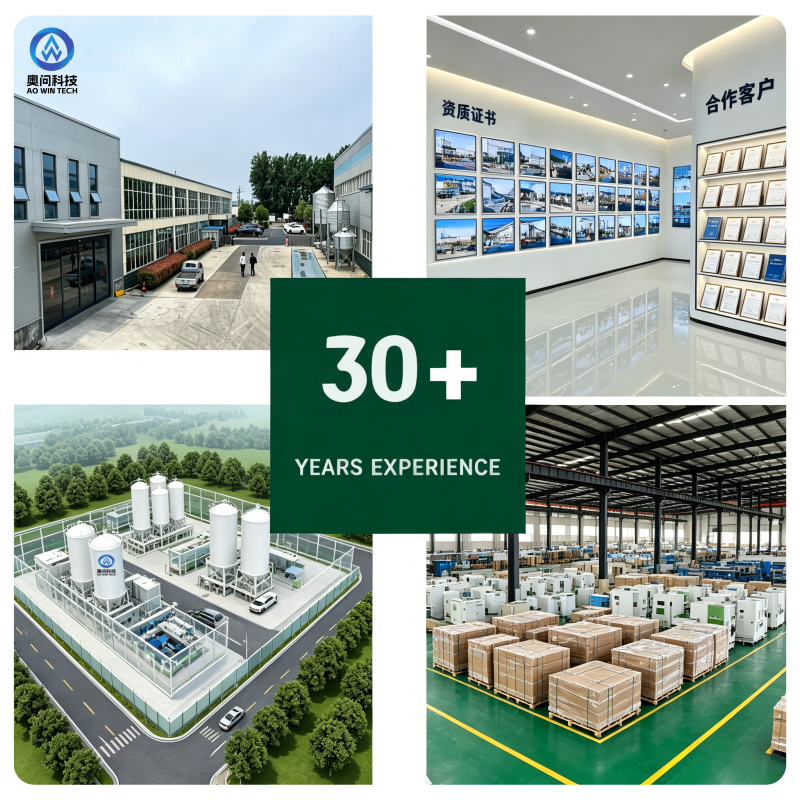
AOWIN Machinery was established in 1993 and holds European CE certification, Swiss SGS certification, French BV certification, and ISO 9001 quality management system certification, with a complete international trade system. To better serve global customers, we have launched multiple platforms including Alibaba International, Google Ads, and Made-in-China.com, along with SEO optimization, forming a comprehensive cross-border e-commerce operation system. Up to now, our products have been exported to 76 countries and regions across Europe, the Americas, the Middle East, Asia, Africa, and Southeast Asia, winning the trust and recognition of numerous customers worldwide.

We focus on every production stage—from raw material procurement to finished product shipment—with strict quality control to ensure products meet international standards and customer requirements. Our experienced production team can customize equipment according to customers’ specific needs to fit different application scenarios, whether for small-scale family farming or large-scale fish feed plants.

How to Choose Equipment for Building a Fish Feed Production Line?
With the booming aquaculture industry and rising economic benefits, puffed and hard aquatic feeds have emerged, making building a fish feed line a profitable opportunity.
Fish have small intestines and poor digestibility, so aquatic feed processing is more demanding than livestock feed—equipment selection is critical.
Key equipment requirements (based on fish feed characteristics): 80-120 mesh particle size (eel/shrimp feed), 30%-40% protein (up to 65%-70% for sablefish/eel), good water resistance, easy-to-clean equipment for aseptic production, and advanced, stable machinery.

How to Start a Fish Feed Production Line?
With the rapid development of global aquaculture, more people enter the fish feed industry. Market fish feeds are mostly nutritionally single and of mixed quality, failing to meet special aquatic animals’ growth needs, prompting many farmers to build their own fish feed factories.
AOWIN Machinery’s automatic fish feed production line can adjust formulas based on aquaculture products, tailoring raw material proportions to meet aquatic animals’ protein, vitamin and fat requirements.
Fish feed production lines specialize in floating and suspended fish feed. A key indicator of equipment performance is its ability to meet the required expansion degree of fish feed.
AOWIN’s automatic fish feed line, developed for market demand, features low energy consumption, high output, labor saving and easy operation, suitable for aquaculture entrepreneurs to invest in and use.

How to Benefit from Starting a Fish Farming Business?
With the rising development of aquaculture, more people choose to start fish farming and fish feed businesses. Self-producing fish feed brings four key benefits:
1.Cost reduction: Use local low-cost raw materials to save freight and labor costs.
2.Flexible nutrition: Add additives and disease-prevention drugs as needed to improve feed quality and fish disease resistance.
3.Tailored formulas: Design feed formulas based on breeding modes, fish species and growth stages to meet their nutritional needs.
4.Flexible adjustment: Adjust feed nutrition timely with fish growth to ensure balanced nutrition and reduce costs.
AOWIN’s fully automatic fish feed production line supports formula adjustment, perfectly matching the needs of fish farming and feed production.
LEAVE YOUR NEED
Please leave your message here! We will send you detailed technical information and quotation as soon as possible.