Rabbit Feed Pellet Making Machine
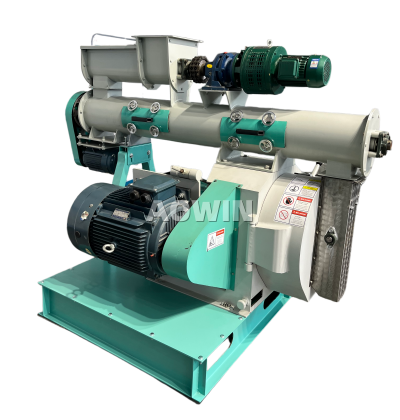
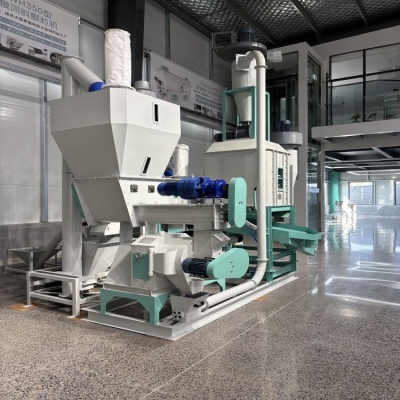
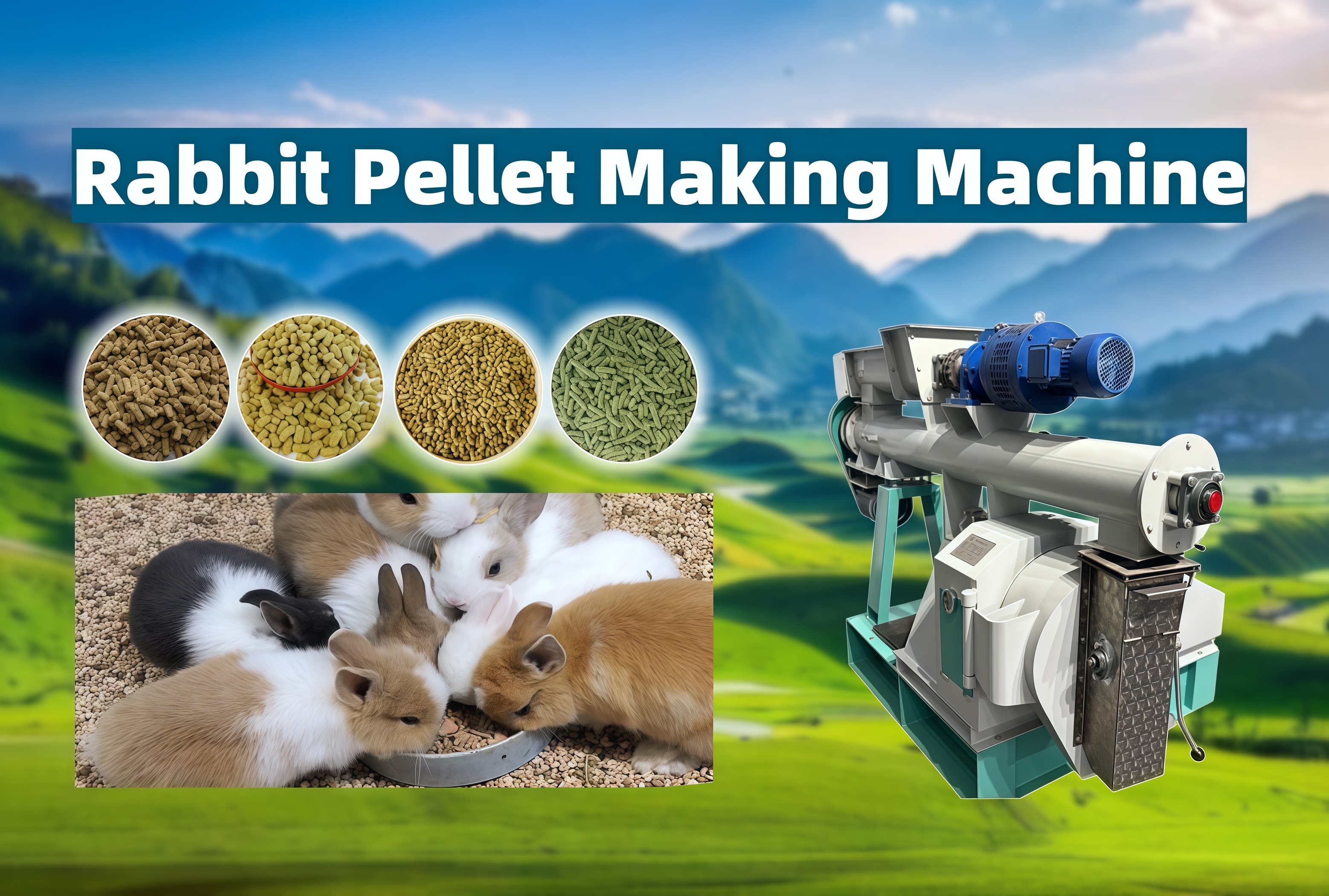
AOWIN rabbit feed pellet making machine is a professional high-efficiency feed processing equipment specially developed for commercial and household rabbit breeding.
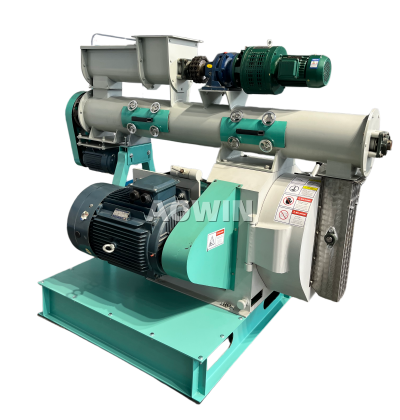
AOWIN Rabbit Pellet Making Machine For Sale
With the rapid growth of the global rabbit breeding industry, farming modes are shifting from traditional small-scale scattered breeding to large-scale intensive and standardized production. Feed quality and feeding efficiency directly affect the overall profitability of rabbit farms. Rabbits have distinctive digestive structures and feeding preferences, requiring strict standards on nutritional balance, freshness and pellet shape of special rabbit feed.
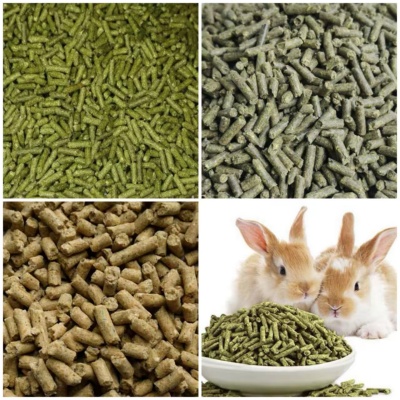
As essential equipment to process powder feed into qualified rabbit pellets, AOWIN rabbit pellet making machine adopts mature extrusion & conditioning technology. It processes well-proportioned raw materials including corn, soybean meal, bran, alfalfa powder into stable, uniform and moderate-hardness feed pellets. Reasonable pellet density and size fit rabbits’ eating habits well, avoid selective feeding, improve feed utilization rate and cut down feed loss during storage and transportation.
In addition, AOWIN rabbit pellet making machine is highly versatile. It can produce qualified feed pellets not only for rabbits, but also for chickens, ducks, pigs, cattle, sheep and other common livestock and poultry.
Core Components Display
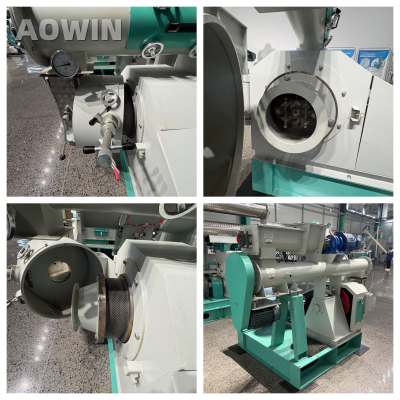
The stable and high-efficiency performance of AOWIN rabbit feed pellet making machine relies on exquisite workmanship, precise processing and strict quality control of every core component.
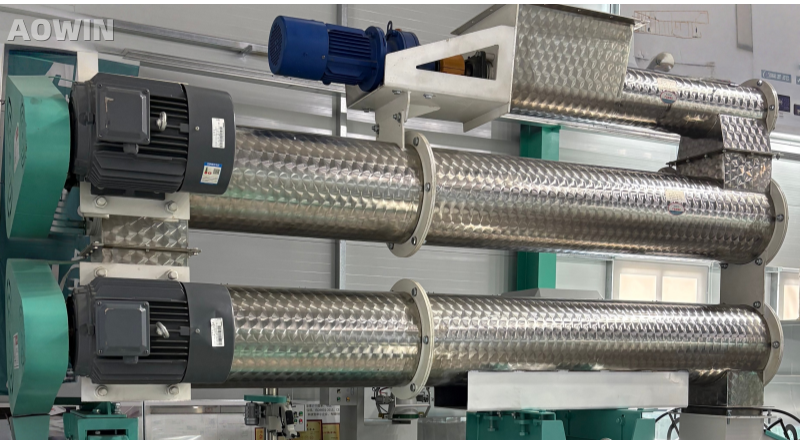
Conditioner
Before pelleting, steam heating will gelatinize starch and denature proteins, which improves the material’s plasticity for subsequent shaping while enhancing pellet digestibility.
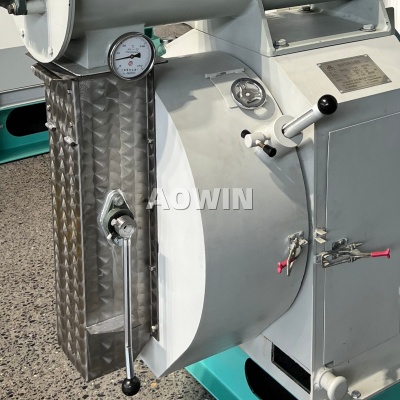
Drive System
It supplies stable power for ring die and press rollers, maintaining smooth synchronous operation and reasonable matching rotational speed. This system acts as the core power unit supporting the whole machine running.
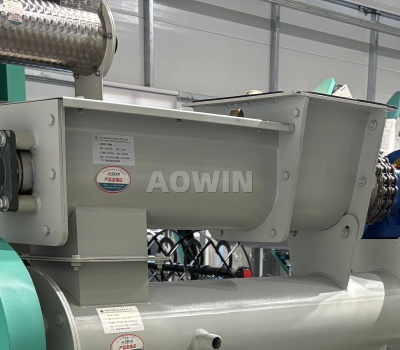
Feeding System
Stable and even feeding of mixed powder into the conditioner and pelleting chamber effectively avoids material clogging and insufficient feeding problems.
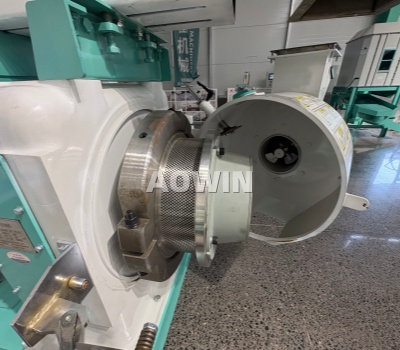
Ring Die
The ring die of rabbit feed pellet machine extrudes and forms materials. It directly decides the shape and particle size of finished pellets. Common pellet diameter ranges from 3–8mm, perfectly adapting to rabbits’ eating characteristics.
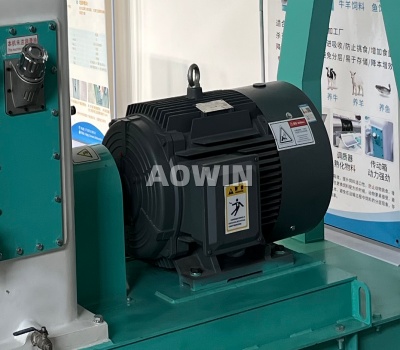
National Standard Copper Core Motor
We adopt national standard copper core motors as the power unit, offering stable and reliable power support for animal feed pellet machines. Featuring high efficiency and durable stable operation, copper core motors guarantee long-lasting and consistent production capacity of pellet equipment.
Rabbit Pellet Making Machine Working Principle
The working process of AOWIN rabbit pellet making machine has four key stages, each directly affecting the quality and output of final rabbit feed pellets, which helps improve production efficiency and feed quality.
| Add mixed feed powder (per rabbit feed formula) into the pellet machine hopper. Driven by gravity and screw conveyor, the powder enters the pelleting chamber. The AOWIN rabbit pellet mill has an intelligent control system to adjust feeding speed automatically, ensuring accurate proportion mixing and avoiding waste. |
| Steam injection in conditioning enhances raw material plasticity for easier pelleting, activates nutrients, and improves digestibility. High-temperature steam kills harmful microorganisms, making feed safer. Optimal conditions: 16%-18% moisture and 75°C-85°C. |
| Conditioned raw materials are sent to the pelleting chamber (core of the machine). With high-pressure extrusion from ring die and press rollers, raw materials form high-density, uniform rabbit feed pellets. |
| Formed pellets are cut to required length by blades outside the ring die. Adjusting blade position and speed ensures uniform size and neat shape, facilitating packaging, transportation and rabbit consumption. |
Rabbit Pellet Making Machine Parameter
AOWIN provides a full range of rabbit pellet making machine models, perfectly meeting the feeding needs of farms of all sizes — from small family farming operations to large-scale commercial breeding bases. We offer competitive prices and high-quality equipment, ensuring cost-effectiveness and stable performance for your rabbit breeding business.
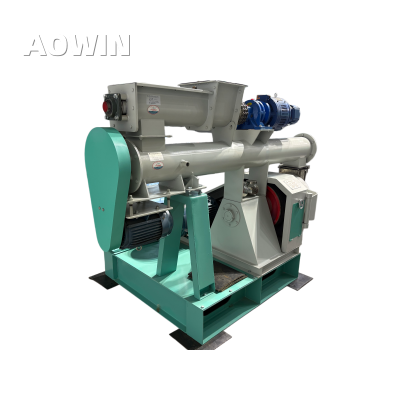
9KWH 250 rabbit pellet making machine Capacity: 0.5-1.5T/H Final pellet diameter: 2-12mm
| 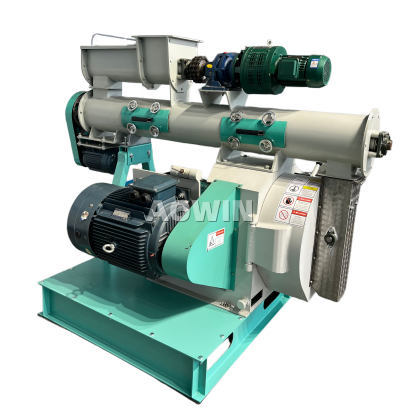
9KWH 304 rabbit pellet making machine Capacity: 1-3T/H Final pellet diameter: 2-12mm
|
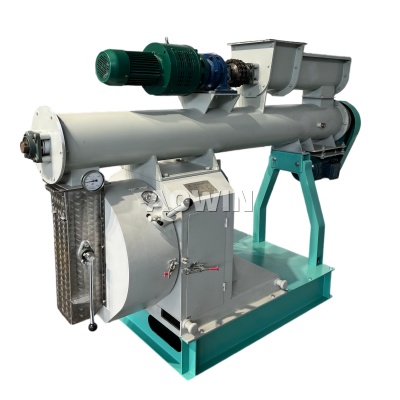
9KWH 320 rabbit pellet making machine Capacity: 2-4T/H Final pellet diameter: 2-12mm
| 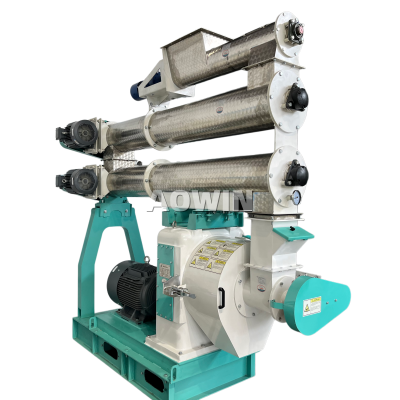
9KWH 350 rabbit pellet making machine Capacity: 3-6T/H Final pellet diameter: 2-12mm
|
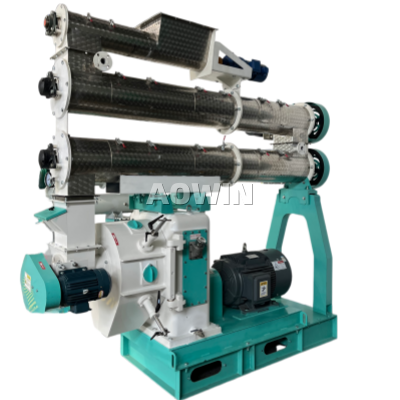
9KWH 400 rabbit pellet making machine Capacity: 5-8T/H Final pellet diameter: 2-12mm | 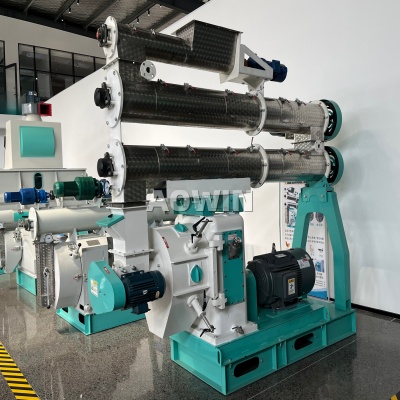
9KWH 520 rabbit pellet making machine Capacity: 6-12T/H Final pellet diameter: 2-12mm |
(Note: AOWIN Machinery continuously updates and improves its products. Therefore, if there is any discrepancy between the actual product and the pictures, feature descriptions or performance parameters displayed, the actual product shall prevail.)
How to Select the Right Rabbit Pellet Making Machine?
When choosing a rabbit pellet making machine, avoid blindly pursuing low prices or high output. The optimal solution is the one that best fits your specific needs.
1. Determine Your Farm Scale
Your rabbit feed production requirement depends on your farm scale, which is the primary factor for selecting a rabbit pellet making machine.
Small-scale family farms (50-200 rabbits) | Choose small pellet mills (e.g., flat die pellet machines) with an hourly capacity of 100-500 kg. They feature simple structure, compact footprint, and are ideal for batch production. |
Medium-sized farms (200-1000 rabbits) | Opt for medium-sized ring die pellet making machines with an hourly output of 500-1500 kg. They balance production capacity and stability, supporting daily continuous production. |
Large-scale rabbit farms (1,000+ rabbits) | Select large-scale ring die pellet making machines with an hourly output of 1,500 kg or more. Equipped with automatic feeding, cooling and screening systems, they realize automated production lines and reduce labor costs. |
2. Confirm the Feed Formula
Select the appropriate rabbit pellet machine model based on your feed formulation. We can provide reference formulas if you are unsure.
High crude fiber content (e.g., alfalfa hay, straw over 30%) | Prioritize ring die rabbit pellet making machines. Their strong compression force between rollers and die effectively solves the forming problem of high-fiber raw materials. |
Liquid ingredients added (e.g., oils, molasses) | Choose models with a tempering unit. The steam device mixes and softens ingredients thoroughly, preventing loose pellets. |
High-quality feed ingredients (high proportion of soybean meal and corn) | Flat die pellet mills can meet requirements at a lower cost, suitable for small-scale users. |
3. Choose the Right Mold Specifications
Match pellet specifications with mold parameters for optimal performance of your rabbit pellet making machine.
Rabbit feed pellet diameter should match the growth stage: 1.5-2mm for young rabbits, 2-3mm for juvenile rabbits, and 3-4mm for breeding rabbits. The mold length-to-hole diameter ratio affects pellet hardness; the recommended compression ratio for rabbit feed is 8:1–12:1 (higher ratio = harder pellets).
4. Compare Equipment Manufacturers
Stable, durable and easy-to-maintain rabbit pellet making machines are key to long-term use. Prioritize manufacturers specializing in rabbit pellet making machines and confirm comprehensive after-sales support, such as free installation and commissioning, die replacement guidance, and on-site troubleshooting.
Advantages of AOWIN Rabbit Pellet Making Machine
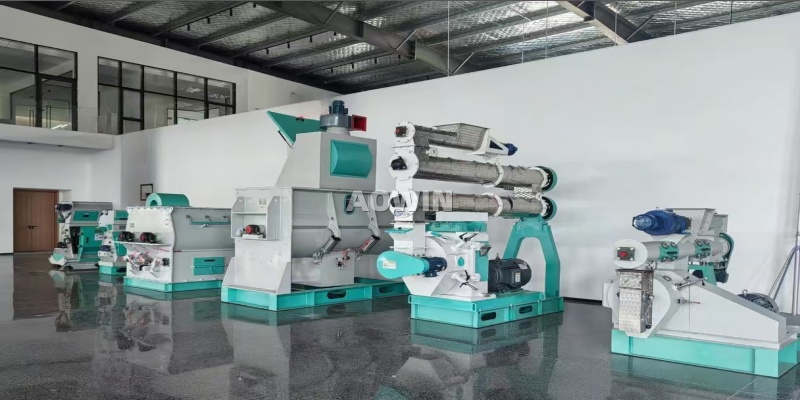
AOWIN rabbit pellet making machine is specifically designed for the physiological characteristics of rabbits, enabling efficient pellet production and stable output for both small-scale and large-scale farming operations.
Advantages of AOWIN Rabbit Pellet Making Machine
AOWIN rabbit pellet making machine is specifically designed for the physiological characteristics of rabbits, enabling efficient pellet production and stable output for both small-scale and large-scale farming operations.
Highly Automated | Integrating automatic feeding, tempering and pelletizing into one system, the AOWIN rabbit pellet making machine is easy to operate and requires no specialized technicians. It can be quickly mastered by livestock breeding personnel. |
High Pellet Formation Rate | Equipped with specialized 2-4mm dies, this rabbit pellet making machine produces pellets suitable for rabbit consumption. Additionally, pellet hardness and length can be adjusted by modifying parameters such as temperature and pressure, to meet the feeding needs of rabbits at different growth stages. |
Safe to Operate | The main door cover of the AOWIN rabbit feed pellet making machine is equipped with a limit switch. When the door is opened, the main motor automatically shuts off, achieving proactive safety protection for operators. |
High Efficiency | Adopting gear transmission for the main drive system, the rabbit pellet making machine boasts high efficiency—output is increased by 15% compared to belt-driven models. It ensures smooth gear operation and low noise during use. |
Long Service Life | The main transmission housing is cast for high load capacity and excellent stability. The feed auger, conditioner and main door cover are made of stainless steel, preventing equipment corrosion and raw material contamination. |
Durable & Reliabl | The entire rabbit pellet making machine is made of high-strength alloy steel, and key components undergo special processing, ensuring a service life of over 10 years. |
Cases For AOWIN Rabbit Pellet Making Machines
AOWIN rabbit pellet making machines have won wide recognition from customers around the world, with successful application cases covering small, medium and large-scale rabbit farms in various countries.
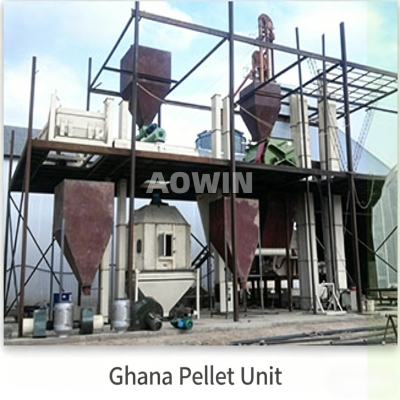
1-2T/H Rabbit Pellet Making Machines in Ghana
Date: 2024
Background: A family farm in Ghana, with about 500 meat rabbits and local breed rabbits, previously relied on commercial rabbit feed. To control feed costs and flexibly adjust formulations for rabbits at different growth stages, it decided to introduce a rabbit pellet making machine.
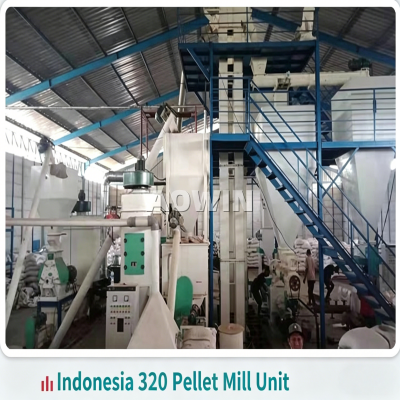
3-4T/H Rabbit Pellet Making Machines in Indonesia
Date: 2025
Background: A family farm in Indonesia specializing in pet rabbit breeding has long purchased commercial rabbit feed from local feed mills. However, the commercial feed adopts a universal formula that cannot be adjusted to meet the nutritional needs of rabbits at different growth stages.
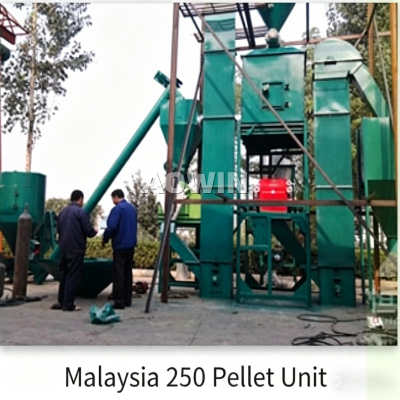
5-6T/H Rabbit Pellet Making Machines in Malaysia
Date: 2024
Background: A Malaysian company specializes in premium pet rabbit food, targeting owners focusing on pet health. It requires organic, additive-free ingredients to make feed that supports digestion and improves rabbit coat.
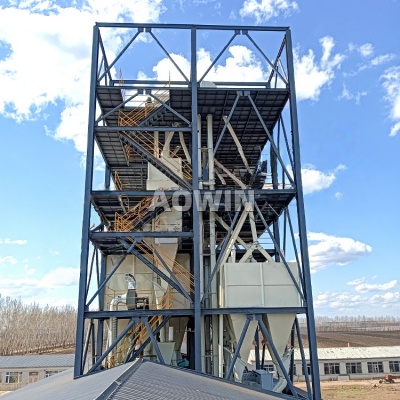
15-20T/H Rabbit Pellet Making Machines in the United States
Date: 2025
Background: An agricultural cooperative in the US, consisting of over 10 professional rabbit farms, has an annual output of more than 200,000 meat rabbits. It runs a centralized large-scale feed processing plant to supply feed uniformly to all member farms, meeting the high-standard feed safety requirements in the US.
Rabbit Pellet Production Line
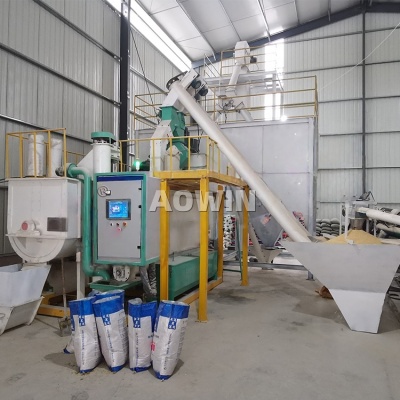
AOWIN rabbit pellet making machines have a capacity ranging from 1-40T/H, which can be applied to rabbit feed pellet production lines with a capacity of 0.7-100T/H. Below is the process flow of the rabbit feed pellet production line.
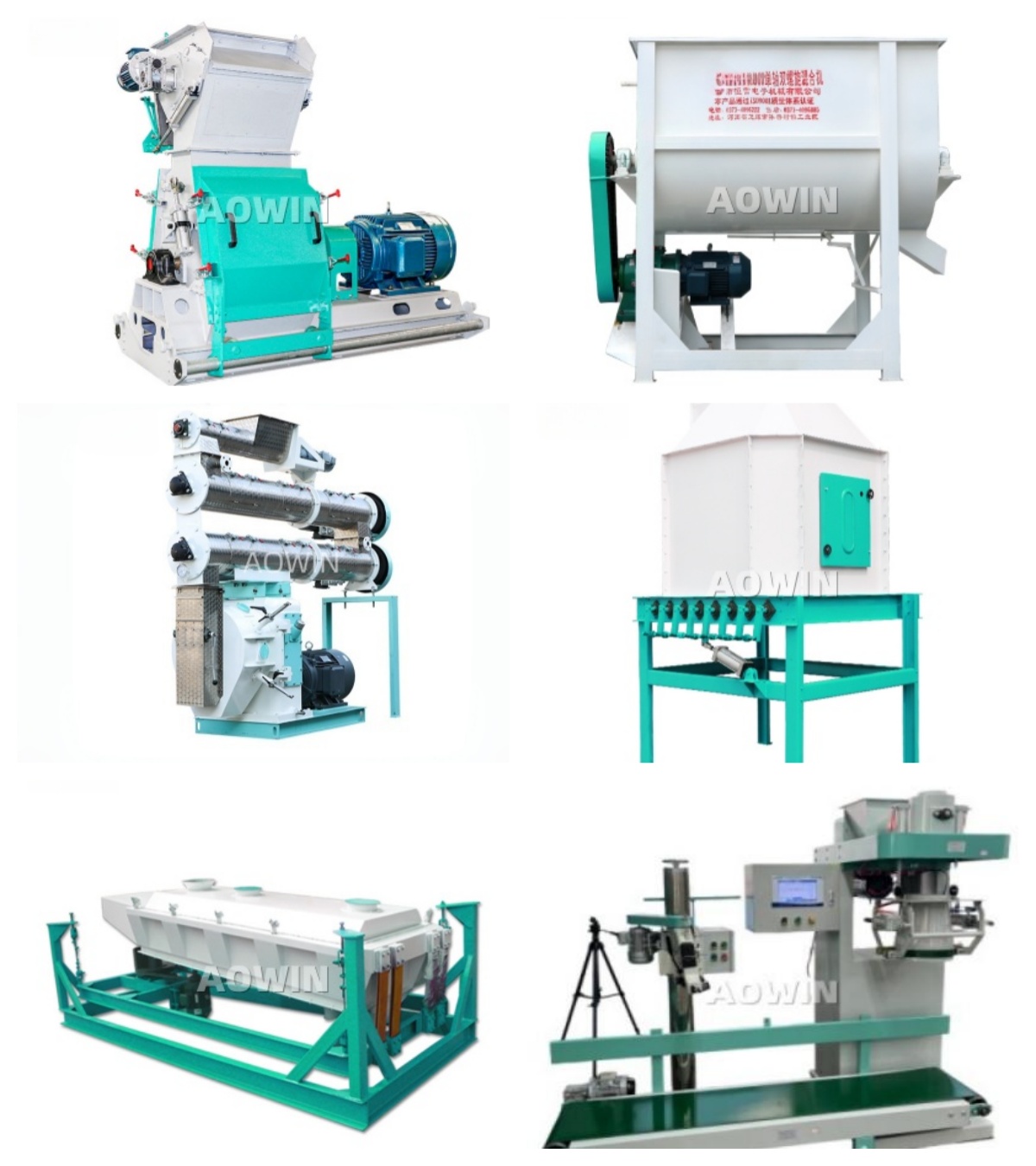
| 1 | Crushing - Water-drop Hammer Mill | Crush raw materials prepared according to the formula first. This ensures the pelleting effect of the rabbit feed pellet press and makes raw materials easier for rabbits to digest and absorb. |
| 2 | | Use a feed mixer to mix crushed raw materials evenly after crushing, ensuring nutritionally balanced rabbit feed pellets and promoting rabbits’ healthy growth. |
| 3 | Pelleting – Rabbit Pellet Making Machine | As the core of the production line, the rabbit pellet making machine directly determines the line’s output and pellet quality, so equipment selection and operation should be emphasized. |
| 4 | Cooling - Counter Flow Cooler | Newly made feed pellets have high temperature and humidity, which are easy to crack if bagged immediately. Cool them to room temperature with a cooler before packing. |
| 5 | Sifting - Powder Cleaning Machine | Screen the cooled materials to remove clumps, ensuring the quality of rabbit compound feed. |
| 6 | Packing - Automatic Packing System | Customers can choose packing methods as needed; most prefer automatic packing machines to bag rabbit feed pellets. |
FAQ About AOWIN Rabbit Pellet Making Machine
What are the requirements for raw materials before pelleting?
In summary, there are three key requirements for raw materials before using the rabbit pellet making machine:
| Raw materials must be ground fine enough to pass through a 1.2mm screen. Coarse powder may cause forming difficulties, brittle pellets, and mold wear of the rabbit pellet making machine. |
| The ideal moisture range for raw materials is 15%-18%. Too low moisture makes pellet formation difficult and reduces the output of the rabbit pellet making machine. Too high moisture results in soft pellets that easily block the die. |
| Raw materials must contain a certain proportion of starch and protein to provide binding properties when heated. Pure grass powder is difficult to form and typically requires adding at least 10%-20% of binding materials for the rabbit pellet making machine. |
How do I adjust the moisture content of the raw materials?
To adjust raw material moisture for the rabbit pellet making machine: If moisture is too low (below 15%), spray an appropriate amount of clean water evenly and mix thoroughly; if moisture is too high (above 18%), dry the raw materials in a well-ventilated area or use a dryer until the moisture reaches 15%-18%, ensuring optimal pelleting effect.
What international certifications do you hold?
AOWIN rabbit pellet making machines have obtained multiple international certifications, including CE, ISO9001, and SGS. These certifications ensure our products meet global quality and safety standards, suitable for export to various countries and regions.
How can I trust the quality of your products?
You can trust AOWIN rabbit pellet making machine quality through three aspects:
1. We have strict quality control from raw material selection to production;
2. All products undergo rigorous testing before delivery;
3. We have global successful application cases (as shown above) and provide comprehensive after-sales service, supporting on-site inspection and trial operation.