|
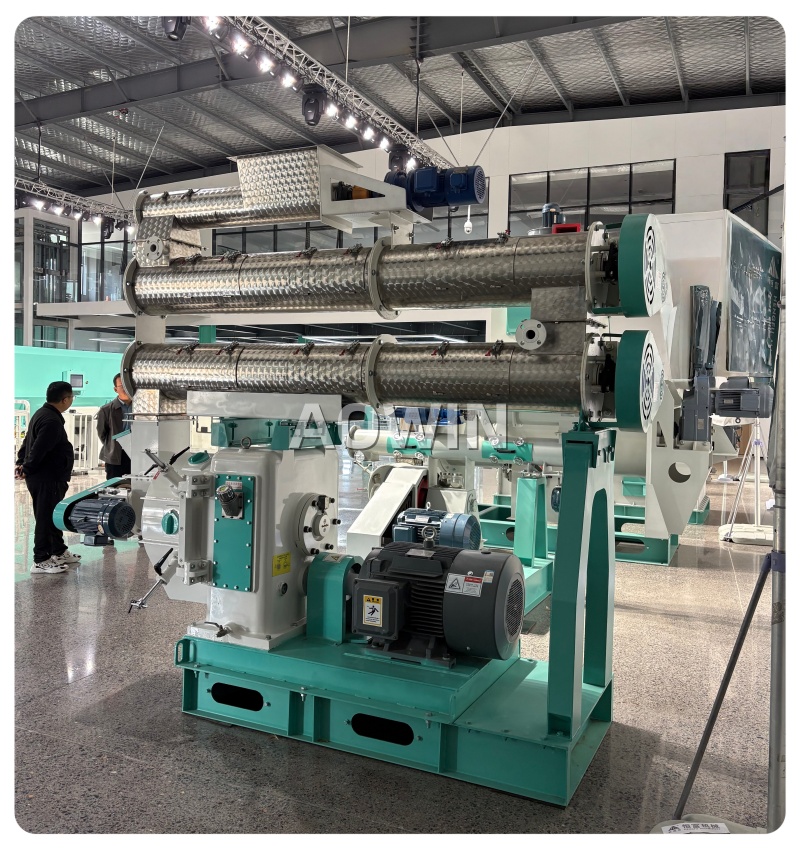
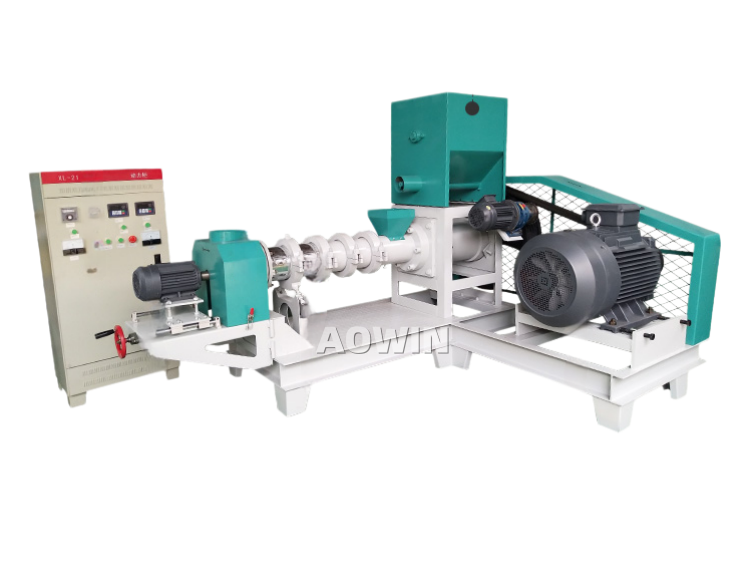
| The feed puffing machine processes the mixed raw materials through high temperature and pressure, which can improve the gelatinization degree of the feed, enhance its water resistance and digestibility, while also improving the palatability and energy content of the shrimp feed.
|
| |
|
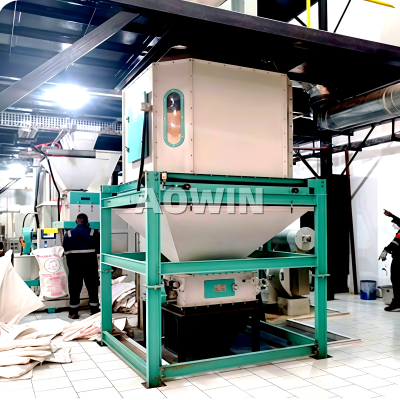
| After processing, the shrimp feed pellets are relatively hot. They need to be cooled (and dried if necessary) to reduce moisture content to 12%, ensuring proper storage and transportation and preventing feed spoilage.
|
| |
|
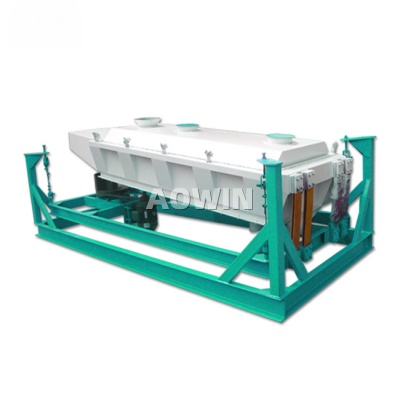
| This step screens feed pellets by size to standardize the product, while removing powder from pellet surfaces to facilitate subsequent processes.
|
| Vibrating Screen, Rotary Classifier
|
|
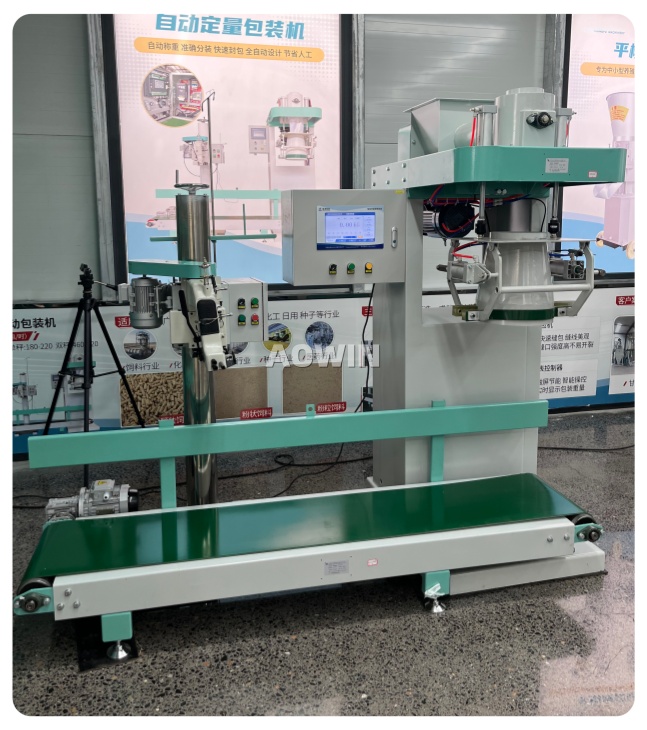
| It enables automated weighing and packaging of qualified finished products into bags after weighing, with sealing methods including heat sealing, edge sealing, or a combination of both.
|
| |
Capacity Options for Shrimp Feed Plant
To accommodate diverse production demands, we supply shrimp feed production lines in multiple capacity grades. Listed below are our standard capacity models, perfectly suited for various production scenarios and project requirements. We also provide fully customized capacity solutions to match your unique production scale.
| Shrimp Feed Production Solution |
| 1 | 0.5-1.0 T/H | This is our lowest-capacity solution, ideal for small-scale self-feeding shrimp farms and newly established shrimp feed processing plants. It requires a lower investment budget, adopts semi-automatic operation, and comes with a simple production process. |
| 2 | 1.5-2.0 T/H | As a popular choice for small to medium-scale production, this solution supports a wide range of shrimp feed formulations and delivers greatly improved production stability. With excellent cost performance, it is well suited for medium-sized farms and shrimp feed plants. |
| 3 | 3-4 T/H | This system comes with premium configuration for continuous automated production. It delivers consistent feed quality to meet high-end production demands, suitable for commercial shrimp feed plants, large-scale aquaculture farms and related facilities. |
| 4 | 5-6 T/H | This capacity option is ideal for high-volume continuous production. It is equipped with a complete process configuration, including drying and oil spraying systems. Featuring large output and high efficiency, it delivers premium feed for professional large-scale shrimp feed factories. |
| 5 | 8-10 T/H | This system delivers advanced automation via a centralized integrated control system. Equipped with large storage silos, it enables continuous unmanned batch production, ideal for large-scale industrial aquafeed plants. |
| 6 | 10-15 T/H | As a large-scale industrial production line, it can be fully customized to individual customer requirements. By configuring different processing equipment and workflows, it supports integrated production of various aquatic feeds, with flexible options for packaging specifications and pellet sizes. |
| 7 | 15-20 T/H | Thanks to its high unit output, this production system reduces overall production costs. Under normal operation, it delivers a faster investment return. With high initial investment yet attractive profitability, this solution is ideal for large export-oriented enterprises. |
Key Equipment for Shrimp Feed Production
We provide two core pelletizing devices for shrimp feed production: ring die pelletizers and feed extruders. Though both serve shrimp feed processing, they differ greatly in structure and application scenarios. You may choose according to the following introduction, or contact us anytime for a customized equipment solution.
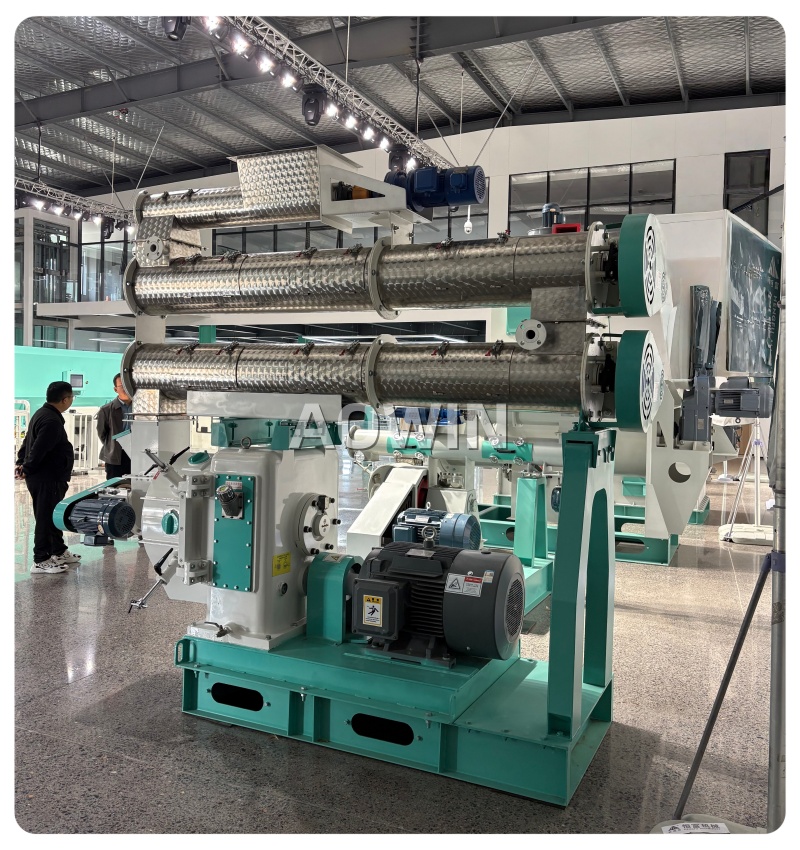
Shrimp Feed Pellet Machine For Sale
Applications: Small and medium-sized shrimp farms and aquaculture farms
This shrimp feed pellet mill produces standard sinking feed pellets via high-temperature conditioning and high-pressure compression. With low investment cost, it is perfectly suited for basic shrimp feed production.
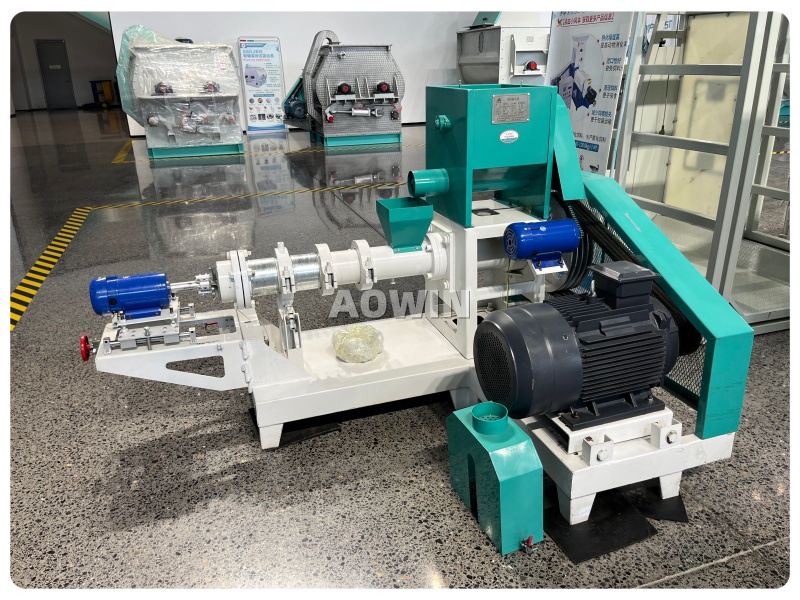
Shrimp Feed Extruder Machine For Sale
Applications: Shrimp feed factories and high-end export brands
This feed extruder comes in single-screw and twin-screw versions, covering production capacities below 1 ton/h and above 1 ton/h. It delivers superior feed quality and can produce floating, sinking and slow-settling pellets with customized formulations.
Advantages of Shrimp Feed Processing Plant Solution
Our shrimp feed plant solution is professionally tailored to the physiological characteristics of shrimp. It effectively improves feed quality and brings remarkable benefits to aquaculture. Below are its core advantages.
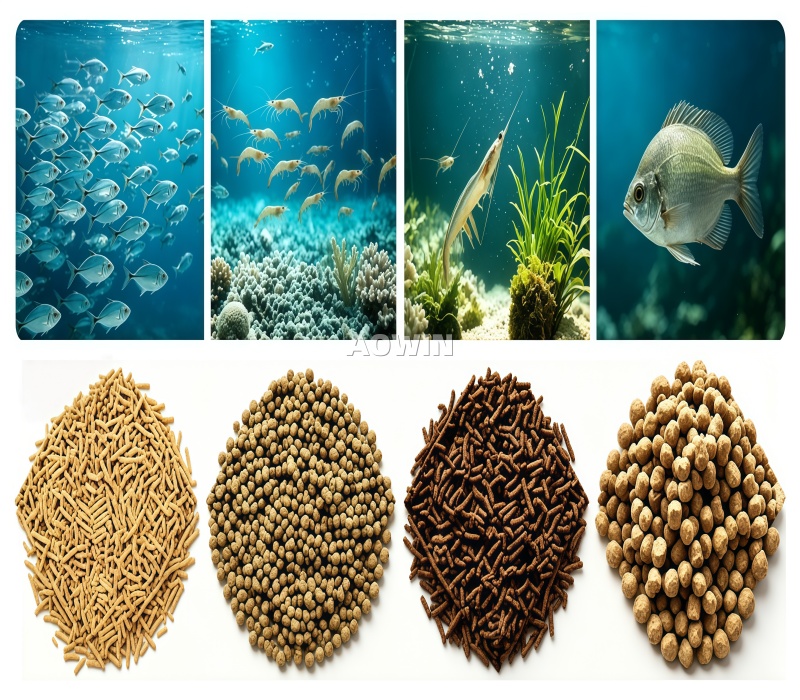
| Meeting Nutritional Needs | By simply changing the pellet mill die, the shrimp feed plant can accurately produce pellets from 0.15mm shrimp fry starter feed to adult shrimp feed. It fully meets the nutritional needs of shrimp across their entire growth cycle and realizes precise scientific feeding. |
| Improving Absorption Rate | Heat treatment during production denatures protein and gelatinizes starch, perfectly matching shrimp’s digestive physiology. This enables higher nutrient absorption and utilization efficiency, effectively cutting aquaculture costs. |
| High Automation Level | The entire workflow, from raw material processing to finished product packaging, is fully automated. Only 1–2 operators are required, greatly cutting labor costs and improving production efficiency. |
| Reduction of Water Pollution | High water stability of feed avoids easy disintegration, lowering organic water pollution. It also keeps ammonia nitrogen, nitrite and other harmful indicators well controlled. This creates a stable and clean growing environment for shrimp and fundamentally reduces disease outbreaks. |
| Reduction of Feed Waste | Compact pellet structure effectively minimizes feed loss during feeding, cutting waste by 20%–30%. It is highly suitable for aquatic shrimp farming. |
| Balanced Nutrition | Automated batching and mixing systems ensure even distribution of vitamins, minerals and other trace nutrients in the feed. It avoids nutritional imbalance and uneven growth of shrimp caused by manual mixing inconsistencies. |
| High Water Stability | Water stability is the core standard for shrimp feed production. Our solution adopts fine grinding and high-temperature conditioning to fully gelatinize starch, forming a natural binding effect. The feed pellets can remain intact in water for 2–4 hours without disintegration, effectively avoiding nutrient loss. |
| Efficient Mass Production | The modern production line supports continuous operation, with daily output ranging from several tons to hundreds of tons, ensuring stable supply for large-scale farms. Its production capacity is far superior to manual and semi-mechanized production modes. |
Shrimp Feed Production Project Cases
As a professional supplier of aquafeed equipment, we provide customized shrimp feed production solutions. Below are our global project references, covering complete production line equipment and full turnkey projects. All project configurations can be tailored to clients’ actual demands to deliver optimal production performance.
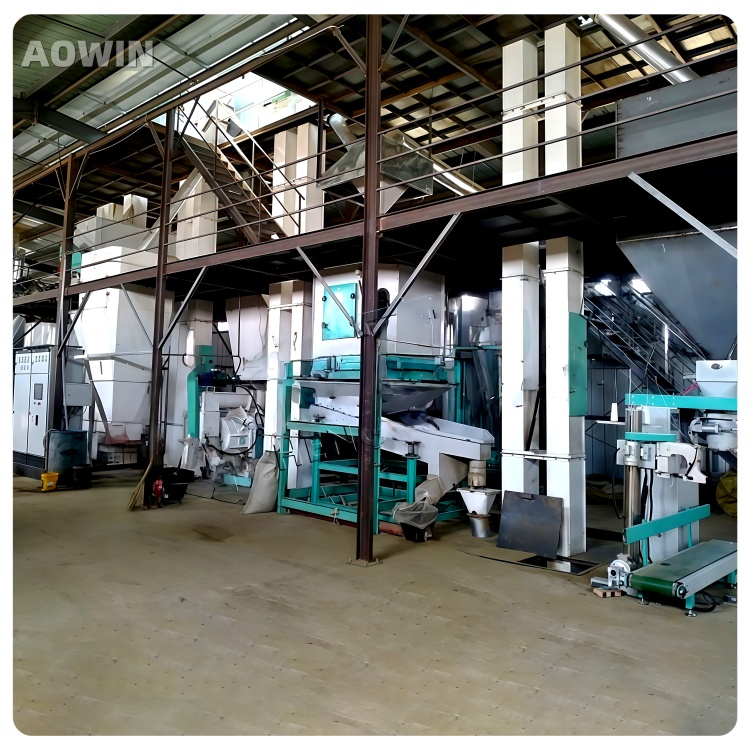
2-3 T/H Shrimp Feed Mill in Iran
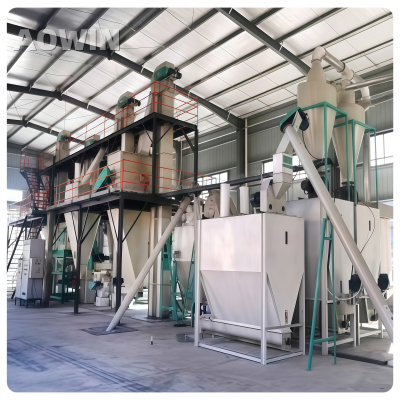
This project is designed to produce sinking shrimp feed pellets with diameters of 1.2 mm and 1.8 mm. To meet stringent quality standards, it is equipped with key machinery including a grinder, batching scales, mixer and twin-screw extruder. The finished feed pellets feature excellent water stability and palatability for shrimp farming.
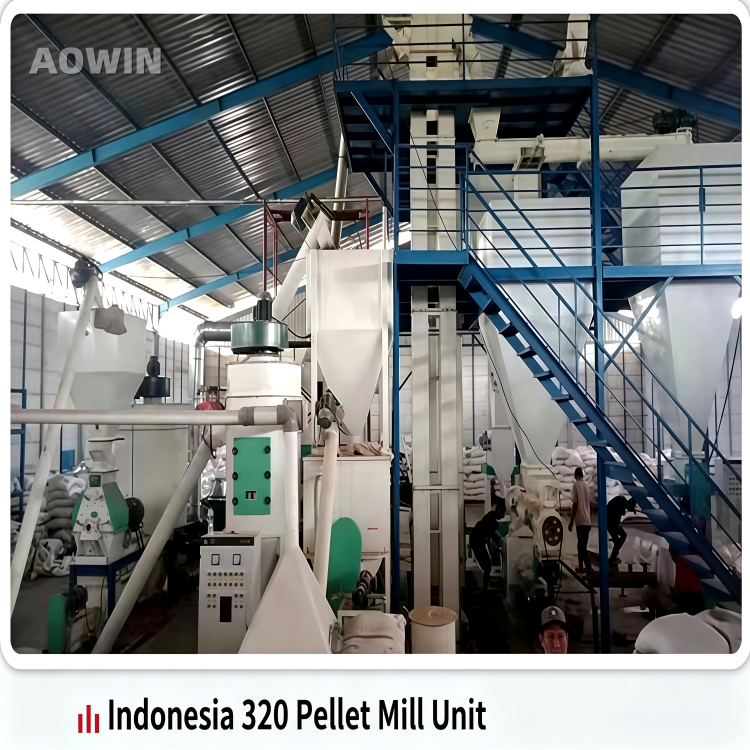
2 T/H Shrimp Feed Plant in Indonesia
The client required a basic production line for sinking shrimp feed pellet production. The line adopts a professional feed pellet mill equipped with a three-stage conditioner. It effectively enhances the water stability of feed pellets, improves digestion and nutrient absorption for shrimp, and is compatible with various customized feed formulations.
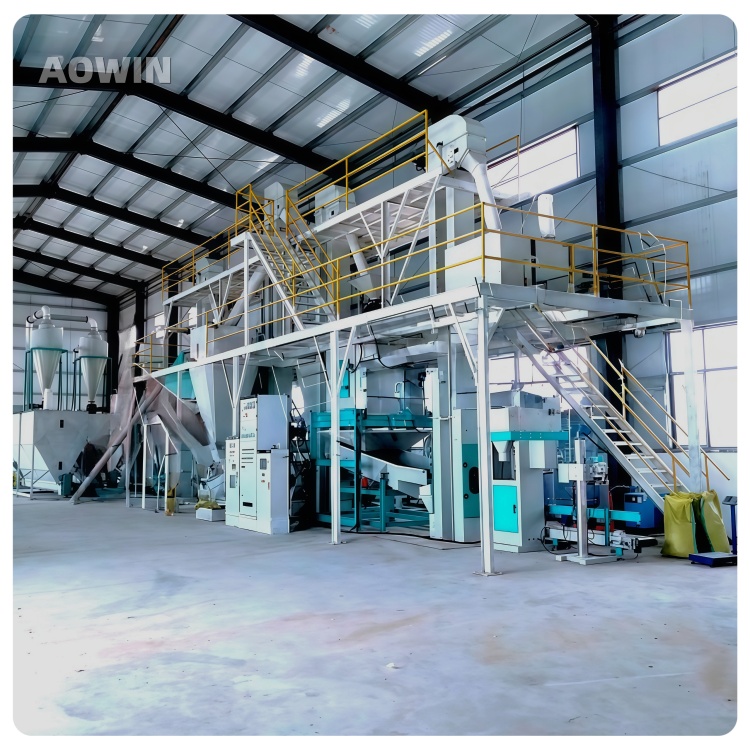
1-2 T/H Shrimp Feed Production Plant in Uzbekistan
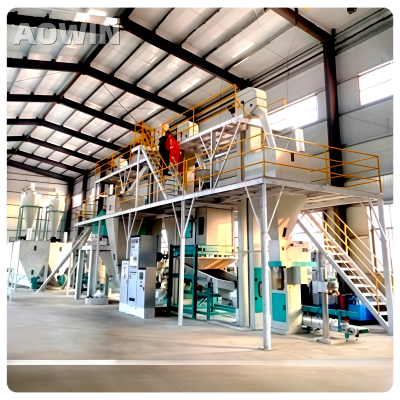
This project is dedicated to producing high-protein shrimp feed, with raw materials including corn flour, soybean meal and fish meal.We equipped the plant with an automatic batching system to guarantee precise formula proportioning. The plant fully meets the client’s production demands while effectively cutting overall production costs.
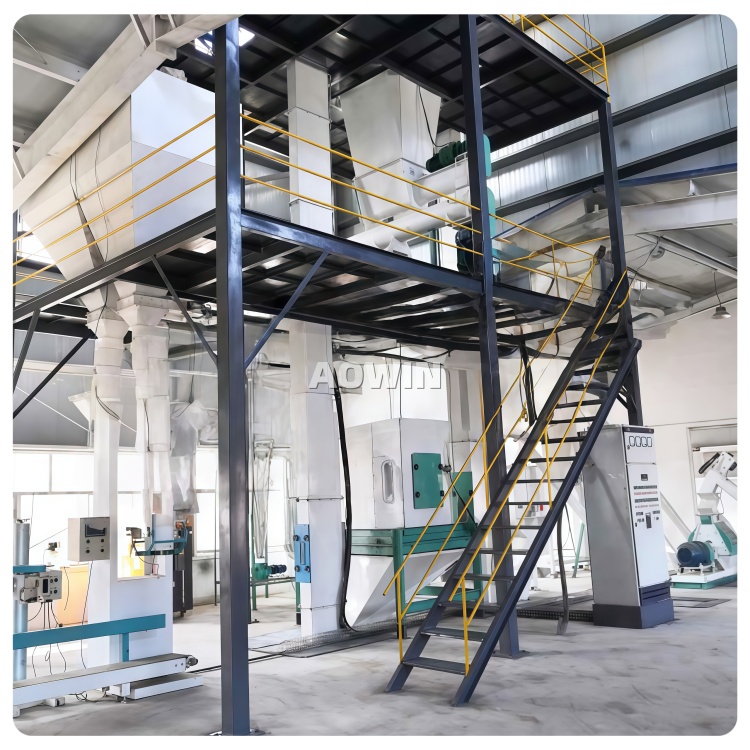
5-6 T/H Shrimp Feed Pellet Production Line in Argentina
Our client required a complete production system for manufacturing high-quality shrimp feed pellets. The product is suitable for feeding postlarvae, growing shrimp, and market-size shrimp. We provided a highly efficient and energy-saving production line. Controlled by a PLC system, it ensures continuous and stable output.
How to Select the Appropriate Shrimp Feed Production Solution?
Selecting the right shrimp feed production system is a critical investment decision, as it directly influences feed quality, production costs, and your company’s overall market competitiveness. Below, we will analyze the selection process step by step from multiple key perspectives to help you make an optimal choice.
| 1 | Determining Production Capacity
| First and foremost, the target production capacity serves as the most direct basis for selecting an equipment solution. You can calculate this by evaluating your required annual and daily output targets, and ultimately determine the project’s unit production capacity to ensure it aligns with your operational needs. |
| 2 | Raw Material Characteristics | The characteristics of raw materials (such as moisture content, particle size, and nutritional composition) directly affect the selection of processing equipment and production processes. It is crucial to select equipment that matches the properties of your raw materials to ensure stable production and high-quality feed output. |
| 3 | | The level of automation should be determined based on your production scale, labor costs, and operational efficiency requirements. A higher degree of automation not only reduces manual errors and labor intensity but also improves production consistency and overall operational efficiency. |
| 4 | Key Equipment Configuration | Focus on the configuration of core equipment (such as mixers, extruders, and drying equipment) to ensure each component meets the production standards. The equipment should be durable, energy-efficient, and compatible with each other to form a smooth and efficient production line. |
| 5 | Choose an Experienced Manufacturer | Selecting a professional and experienced manufacturer is essential for the success of your shrimp feed production project. As a trusted partner, AOWIN specializes in providing comprehensive feed production solutions and feed plant construction services. We offer one-stop turnkey solutions, including customized equipment design and manufacturing, on-site installation and commissioning, and professional operator training. Additionally, we provide full-cycle after-sales support, such as global spare parts supply, long-term technical guidance, and a one-year quality warranty, to ensure the stable and efficient operation of your production line. |
About AOWIN | Professional Shrimp Feed Equipment Manufacturer
AOWIN Machinery, established in 1993, is a leading manufacturer and supplier of shrimp feed processing equipment with 30+ years of industry experience. We hold authoritative international certifications including European CE certification, Swiss SGS certification, French BV certification, and ISO 9001 quality management system certification, supported by a complete and mature international trade system to ensure smooth global delivery and compliance.
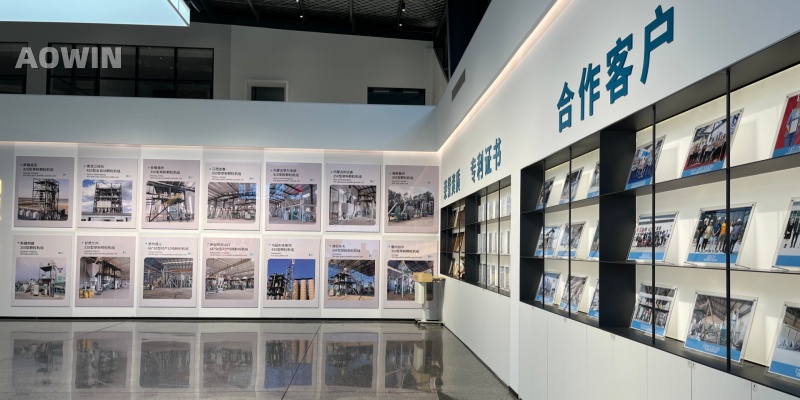
To better serve our global customers and expand our international reach, AOWIN has launched multi-channel promotion platforms, including Alibaba International, Google Ads, Made-in-China.com, and professional SEO optimization. We have built a comprehensive cross-border e-commerce operation system, enabling customers from all over the world to easily find and cooperate with us.

Up to now, AOWIN’s shrimp feed equipment and production solutions have been exported to more than 76 countries and regions across Europe, the Americas, the Middle East, Asia, Africa, and Southeast Asia. Our reliable product quality, professional customization capabilities, and thoughtful after-sales service have won wide trust and recognition from global customers.
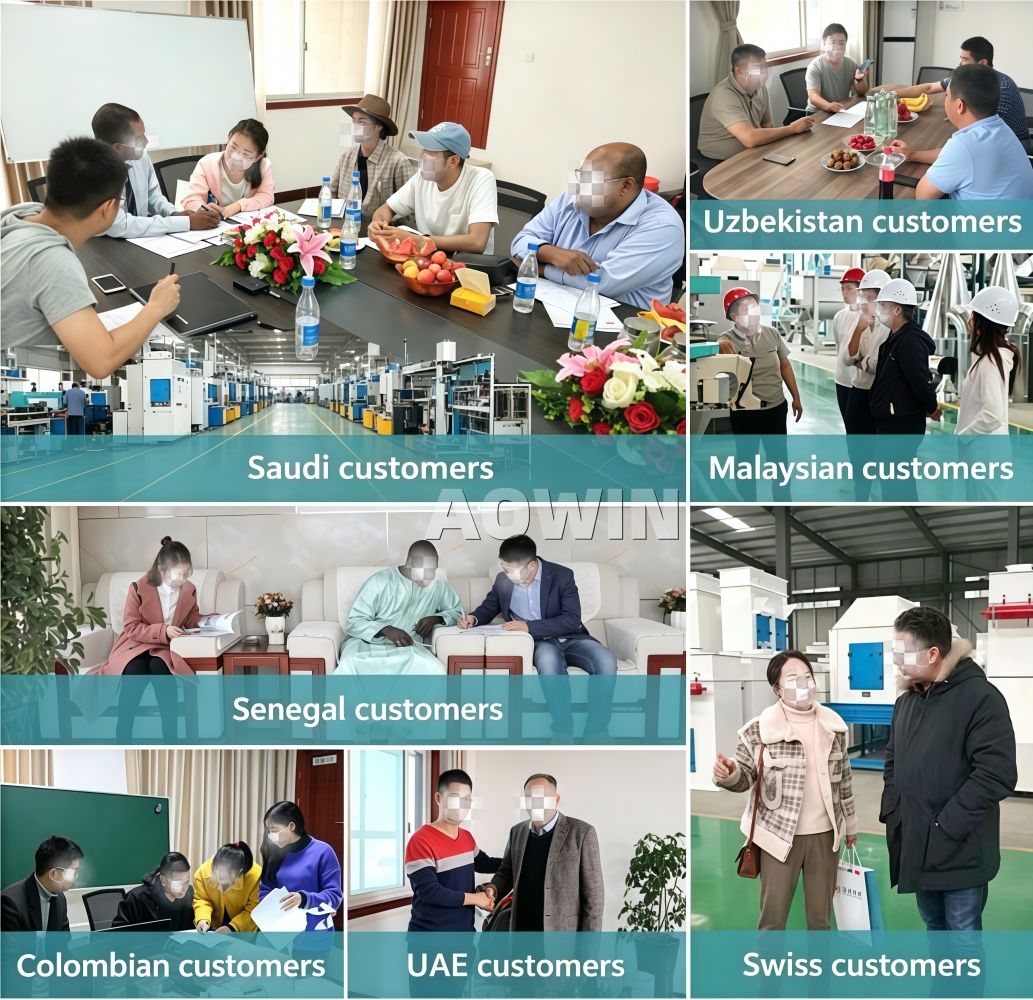
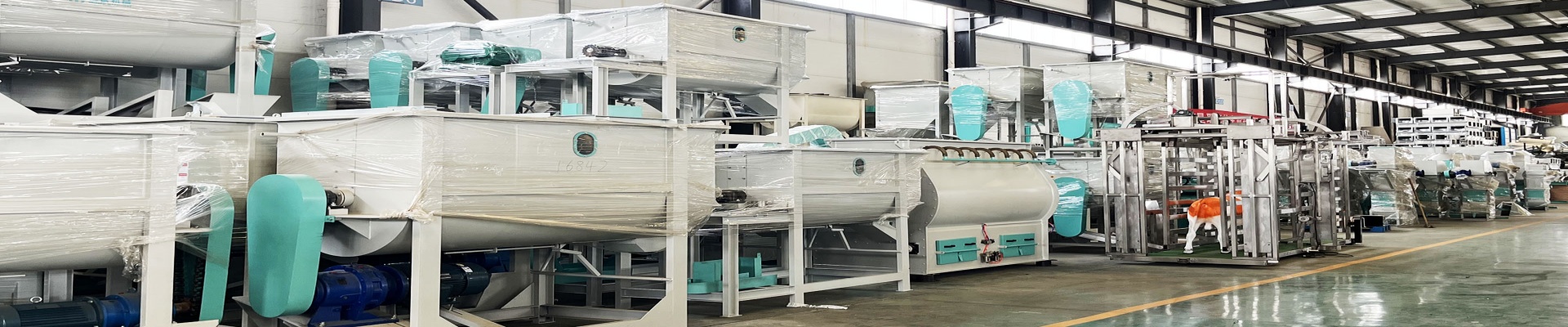
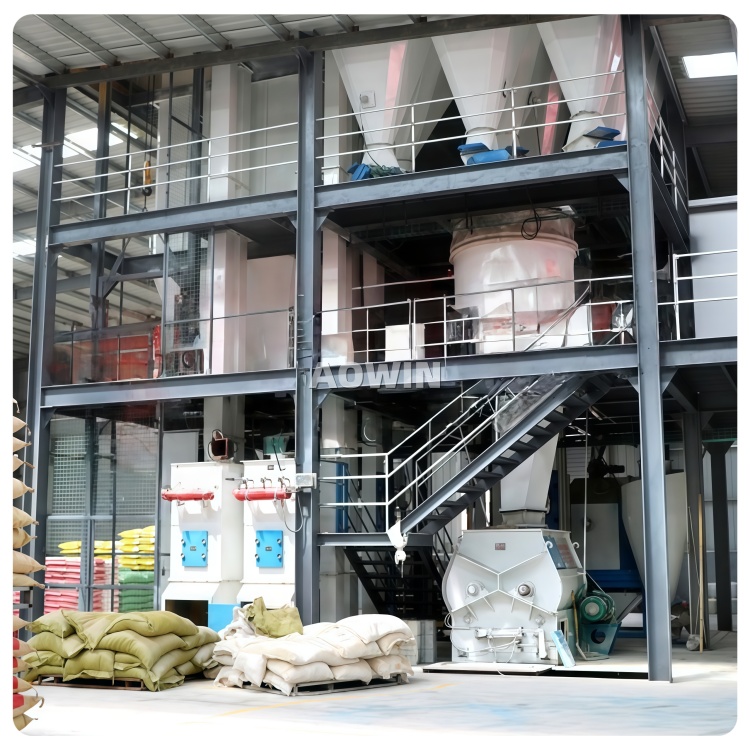
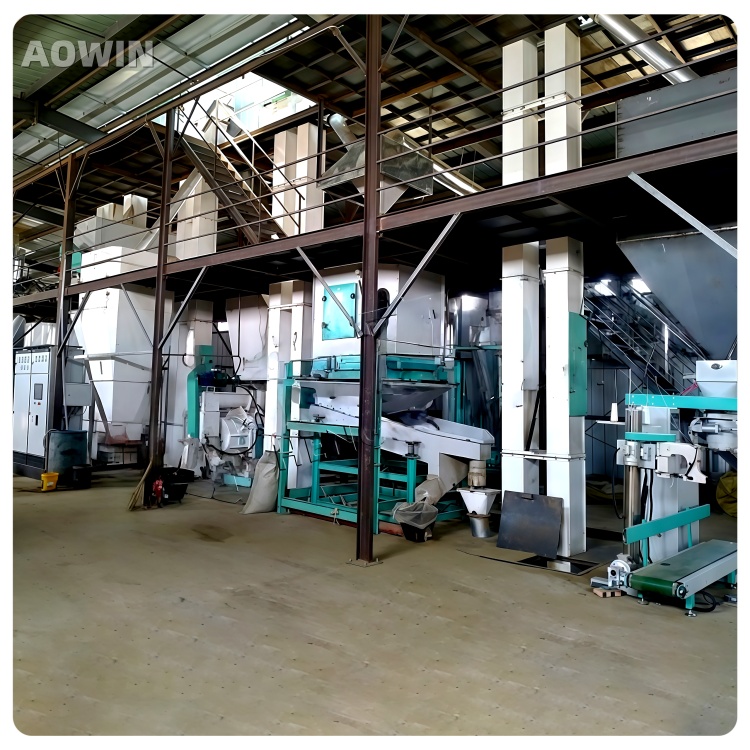
In terms of production, AOWIN boasts a modern production workshop equipped with advanced manufacturing machinery and cutting-edge technology, ensuring efficient, precise, and standardized production of every piece of equipment. We adhere to strict quality control throughout the entire production process—from raw material procurement, processing and assembly, to finished product inspection and shipment—to ensure all products meet international quality standards and customer-specific requirements.
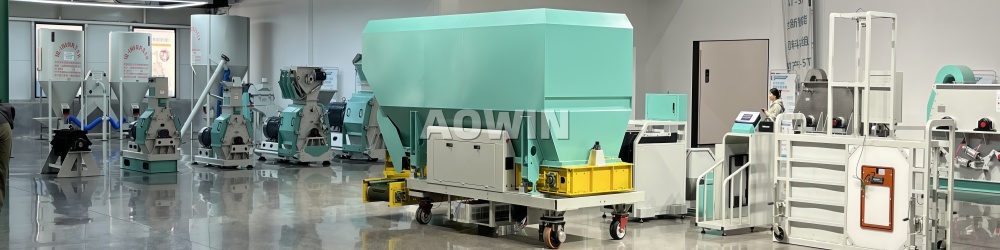
Our experienced R&D and production team is dedicated to providing customized equipment and solutions according to customers’ specific needs. Whether you are engaged in small-scale family shrimp farming or large-scale commercial shrimp feed plants, AOWIN can tailor the most suitable solution to help you improve production efficiency, reduce operating costs, and maximize returns.
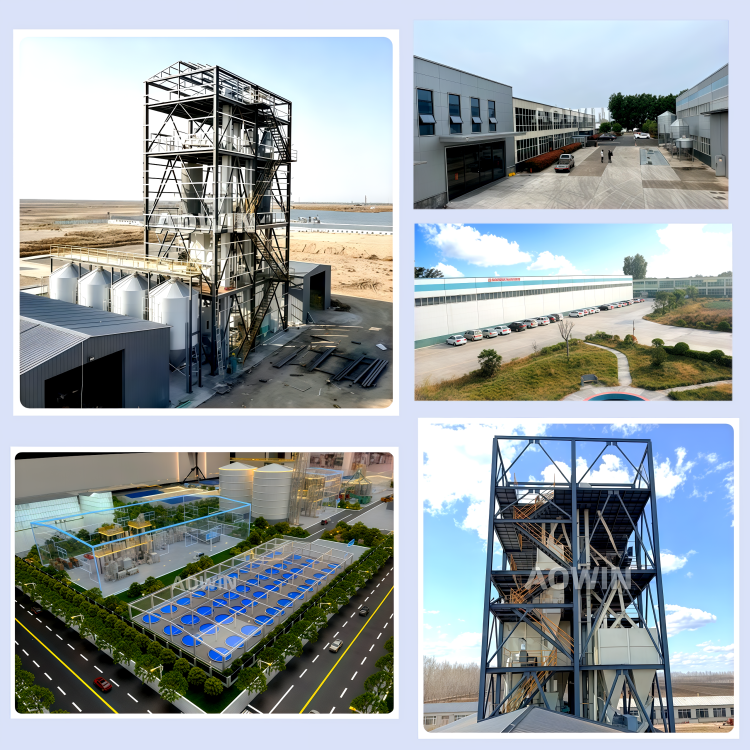
| | | |
Years of Industry Experience | Global Satisfied Customers | Exported Countries & Regions | Devices Provided Globally |

Frequently Asked Questions
We offer free pre-sales consultation services. If you have any questions about our shrimp feed plant solutions, please feel free to contact us at any time. For personalized solution recommendations, kindly provide your detailed production requirements, and our team will assist you promptly.
Which types of shrimp feed require a twin-screw extruder?
What are the raw material requirements for shrimp feed production?
How do we produce shrimp feed pellets of different sizes?
How long does it take for a shrimp feed plant to break even?